Neurosciences Intégratives et Adaptatives, UMR 7260, CNRS, Aix-Marseille Université, 13331, Marseille, France.
Equipe de Recherche en Réadaptation Sensorimotrice, Faculté de Médecine, Département de Physiologie, Université de Montréal, C.P. 6128, Montréal, H3C 3J7, Canada.
Sci Rep. 2018 Nov 5;8(1):16328. doi: 10.1038/s41598-018-34312-y.
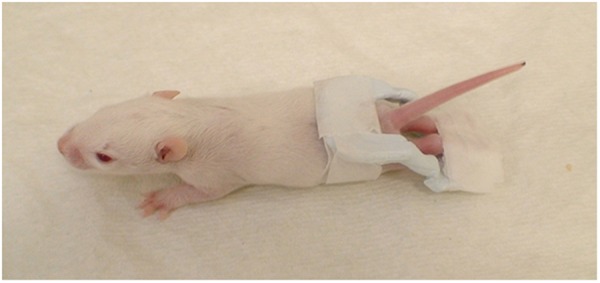
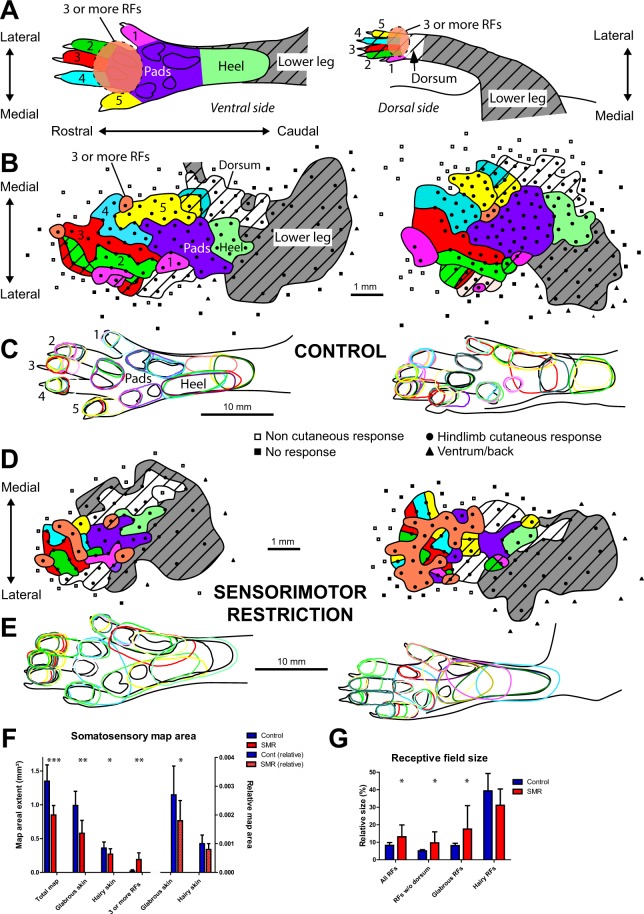
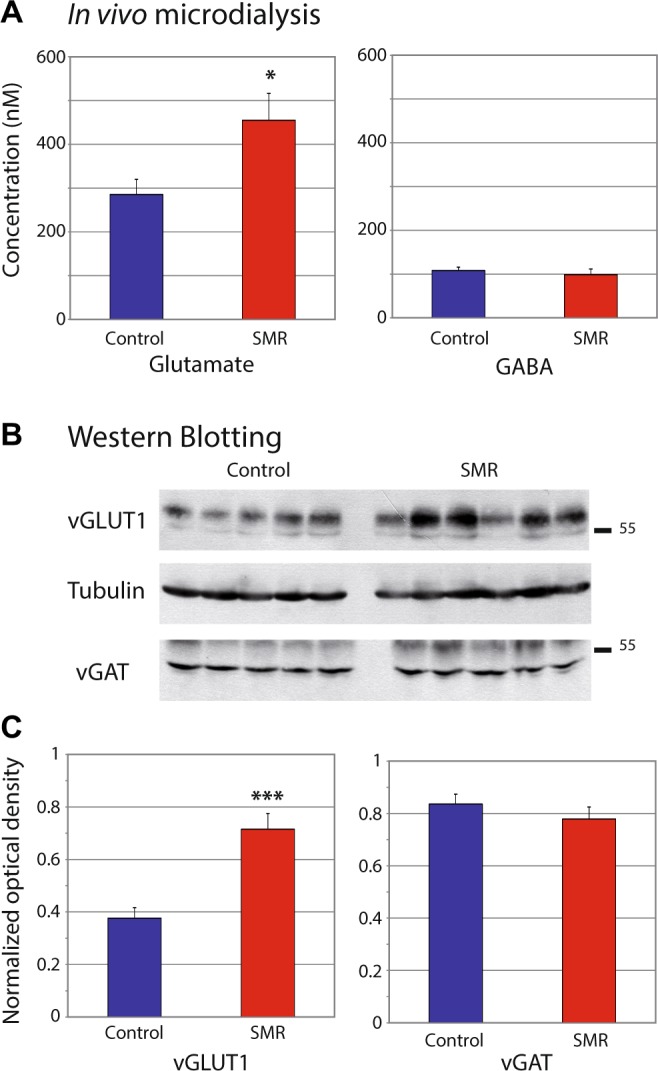
Motor control and body representations in the central nervous system are built, i.e., patterned, during development by sensorimotor experience and somatosensory feedback/reafference. Yet, early emergence of locomotor disorders remains a matter of debate, especially in the absence of brain damage. For instance, children with developmental coordination disorders (DCD) display deficits in planning, executing and controlling movements, concomitant with deficits in executive functions. Thus, are early sensorimotor atypicalities at the origin of long-lasting abnormal development of brain anatomy and functions? We hypothesize that degraded locomotor outcomes in adulthood originate as a consequence of early atypical sensorimotor experiences that induce developmental disorganization of sensorimotor circuitry. We showed recently that postnatal sensorimotor restriction (SMR), through hind limb immobilization from birth to one month, led to enduring digitigrade locomotion with ankle-knee overextension, degraded musculoskeletal tissues (e.g., gastrocnemius atrophy), and clear signs of spinal hyperreflexia in adult rats, suggestive of spasticity; each individual disorder likely interplaying in self-perpetuating cycles. In the present study, we investigated the impact of postnatal SMR on the anatomical and functional organization of hind limb representations in the sensorimotor cortex and processes representative of maladaptive neuroplasticity. We found that 28 days of daily SMR degraded the topographical organization of somatosensory hind limb maps, reduced both somatosensory and motor map areas devoted to the hind limb representation and altered neuronal response properties in the sensorimotor cortex several weeks after the cessation of SMR. We found no neuroanatomical histopathology in hind limb sensorimotor cortex, yet increased glutamatergic neurotransmission that matched clear signs of spasticity and hyperexcitability in the adult lumbar spinal network. Thus, even in the absence of a brain insult, movement disorders and brain dysfunction can emerge as a consequence of reduced and atypical patterns of motor outputs and somatosensory feedback that induce maladaptive neuroplasticity. Our results may contribute to understanding the inception and mechanisms underlying neurodevelopmental disorders, such as DCD.
中枢神经系统的运动控制和身体表现是通过感觉运动经验和躯体感觉反馈/再传入在发育过程中构建的,即形成模式。然而,运动障碍的早期出现仍然存在争议,尤其是在没有脑损伤的情况下。例如,患有发育性协调障碍(DCD)的儿童在计划、执行和控制运动方面存在缺陷,同时执行功能也存在缺陷。那么,运动的早期感觉运动异常是否是大脑解剖结构和功能长期异常发育的根源?我们假设,成年后运动功能障碍的产生是由于早期感觉运动异常,导致感觉运动回路发育紊乱。我们最近表明,通过从出生到一个月的后腿固定来限制出生后的感觉运动(SMR),会导致成年大鼠持续出现趾行运动,伴有踝关节-膝关节过度伸展、骨骼肌组织退化(例如,腓肠肌萎缩),以及明显的脊髓反射亢进迹象,提示痉挛;每种单独的疾病可能在自我维持的循环中相互作用。在本研究中,我们研究了产后 SMR 对感觉运动皮层中后肢代表区的解剖和功能组织以及代表适应性神经可塑性过程的影响。我们发现,28 天的日常 SMR 会降低体感后肢图谱的拓扑组织,减少后肢代表区的体感和运动图谱面积,并在 SMR 停止后数周改变感觉运动皮层中的神经元反应特性。我们在后肢感觉运动皮层中未发现神经解剖病理学,但谷氨酸能神经传递增加,与成年腰椎网络中的痉挛和过度兴奋迹象相匹配。因此,即使没有脑损伤,运动障碍和大脑功能障碍也可能是由于运动输出和躯体感觉反馈的减少和异常模式导致适应性神经可塑性而出现。我们的研究结果可能有助于理解运动障碍和神经发育障碍(如 DCD)的发生和潜在机制。