Infection Biology Unit, German Primate Center, Göttingen, Germany.
Faculty of Biology and Psychology, University of Göttingen, Göttingen, Germany.
J Virol. 2019 Jan 4;93(2). doi: 10.1128/JVI.01381-18. Print 2019 Jan 15.
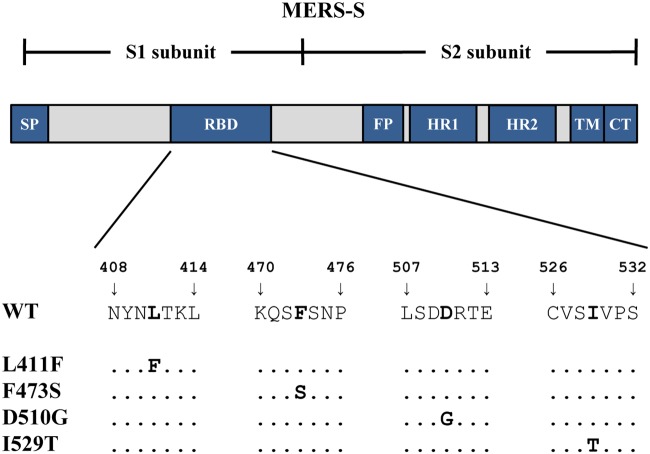
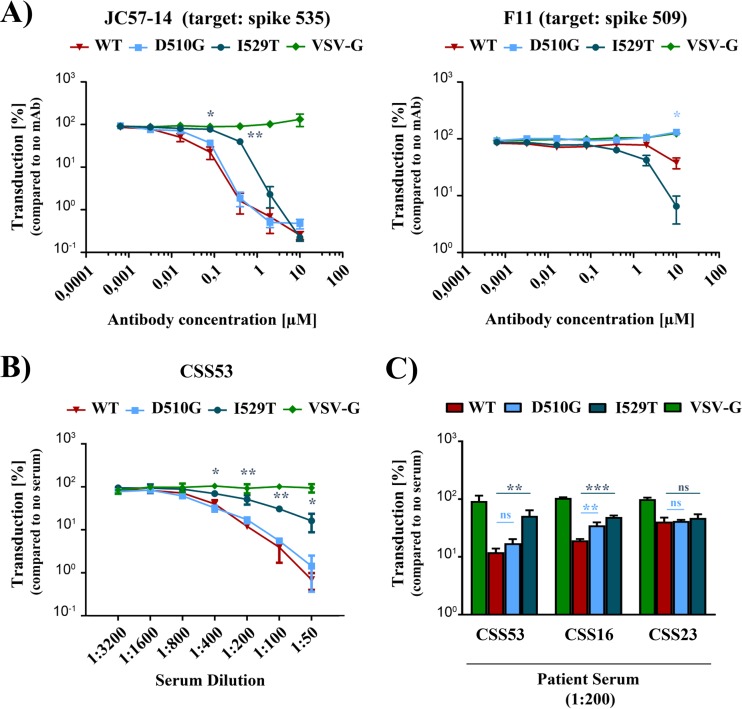
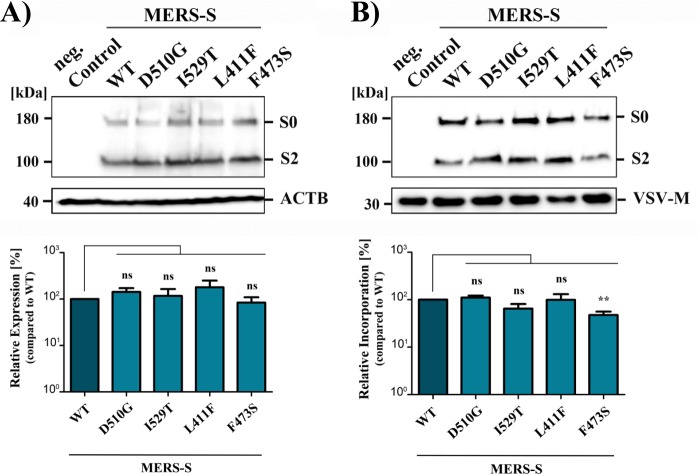
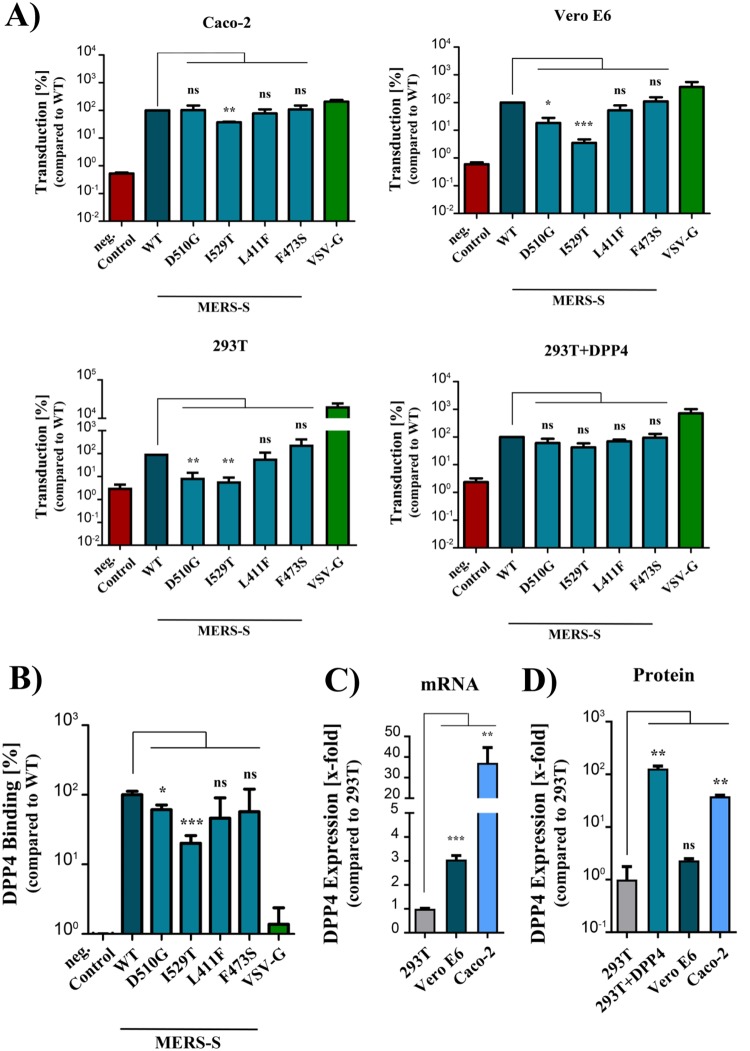
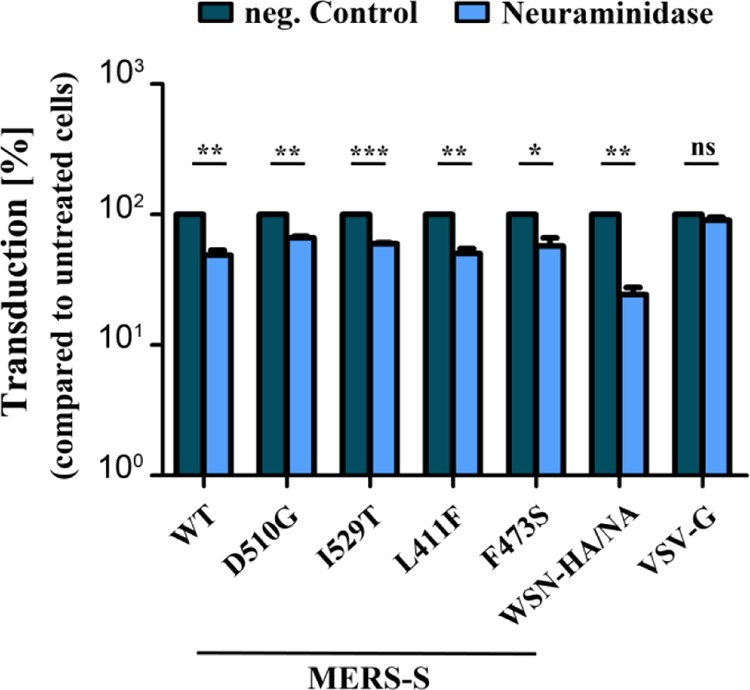
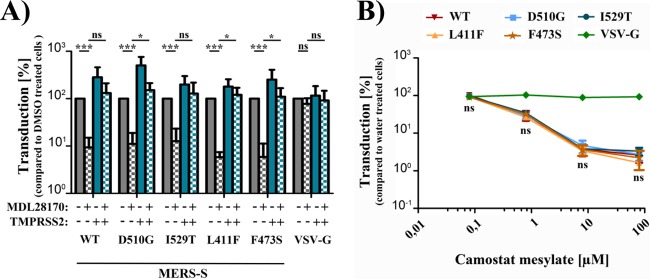
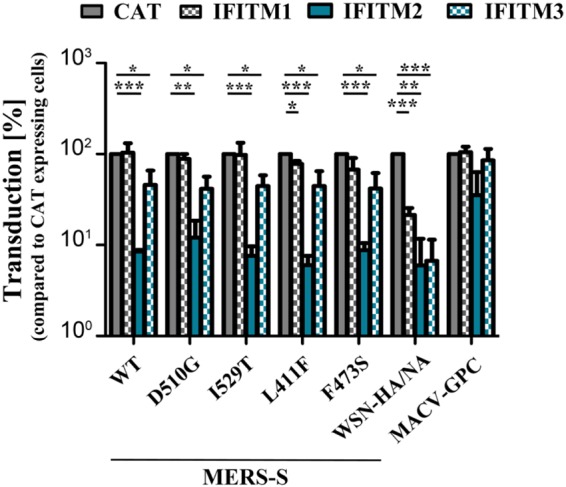
Middle East respiratory syndrome coronavirus (MERS-CoV) poses a threat to public health. The virus is endemic in the Middle East but can be transmitted to other countries by travel activity. The introduction of MERS-CoV into the Republic of Korea by an infected traveler resulted in a hospital outbreak of MERS that entailed 186 cases and 38 deaths. The MERS-CoV spike (S) protein binds to the cellular protein DPP4 via its receptor binding domain (RBD) and mediates viral entry into target cells. During the MERS outbreak in Korea, emergence and spread of viral variants that harbored mutations in the RBD, D510G and I529T, was observed. Counterintuitively, these mutations were found to reduce DPP4 binding and viral entry into target cells. In this study, we investigated whether they also exerted proviral effects. We confirm that changes D510G and I529T reduce S protein binding to DPP4 but show that this reduction only translates into diminished viral entry when expression of DPP4 on target cells is low. Neither mutation modulated S protein binding to sialic acids, S protein activation by host cell proteases, or inhibition of S protein-driven entry by interferon-induced transmembrane proteins. In contrast, changes D510G and I529T increased resistance of S protein-driven entry to neutralization by monoclonal antibodies and sera from MERS patients. These findings indicate that MERS-CoV variants with reduced neutralization sensitivity were transmitted during the Korean outbreak and that the responsible mutations were compatible with robust infection of cells expressing high levels of DPP4. MERS-CoV has pandemic potential, and it is important to identify mutations in viral proteins that might augment viral spread. In the course of a large hospital outbreak of MERS in the Republic of Korea in 2015, the spread of a viral variant that contained mutations in the viral spike protein was observed. These mutations were found to reduce receptor binding and viral infectivity. However, it remained unclear whether they also exerted proviral effects. We demonstrate that these mutations reduce sensitivity to antibody-mediated neutralization and are compatible with robust infection of target cells expressing large amounts of the viral receptor DPP4.
中东呼吸综合征冠状病毒(MERS-CoV)对公共卫生构成威胁。该病毒在中东流行,但通过旅行活动可传播至其他国家。一名受感染旅客将 MERS-CoV 传入大韩民国,导致 MERS 医院暴发疫情,共发生 186 例病例和 38 例死亡。MERS-CoV 刺突(S)蛋白通过其受体结合域(RBD)与细胞蛋白 DPP4 结合,并介导病毒进入靶细胞。在韩国的 MERS 疫情期间,观察到 RBD、D510G 和 I529T 突变的病毒变异株的出现和传播。出人意料的是,这些突变被发现降低了 DPP4 结合和病毒进入靶细胞的能力。在这项研究中,我们研究了它们是否还具有促病毒效应。我们确认 D510G 和 I529T 改变会降低 S 蛋白与 DPP4 的结合,但表明只有当靶细胞上 DPP4 的表达较低时,这种降低才会转化为病毒进入能力的降低。这两种突变均未调节 S 蛋白与唾液酸的结合、宿主细胞蛋白酶对 S 蛋白的激活,或干扰素诱导的跨膜蛋白对 S 蛋白驱动的进入的抑制。相比之下,D510G 和 I529T 改变使 S 蛋白驱动的进入对单克隆抗体和 MERS 患者血清的中和作用的抵抗力增强。这些发现表明,在韩国疫情期间传播了具有较低中和敏感性的 MERS-CoV 变异株,而负责的突变与高水平表达 DPP4 的细胞的强烈感染相容。MERS-CoV 具有大流行的潜力,因此识别可能增强病毒传播的病毒蛋白突变非常重要。在 2015 年大韩民国发生的大规模 MERS 医院暴发疫情中,观察到病毒刺突蛋白发生突变的病毒变异株的传播。这些突变被发现降低了受体结合和病毒感染力。然而,尚不清楚它们是否也具有促病毒效应。我们证明这些突变降低了抗体介导的中和敏感性,并且与大量表达病毒受体 DPP4 的靶细胞的强烈感染相容。