Lester and Sue Smith Breast Center, Baylor College of Medicine, One Baylor Plaza, Houston, TX 77030, USA; Dan L. Duncan Cancer Center, Baylor College of Medicine, One Baylor Plaza, Houston, TX 77030, USA; Department of Molecular and Cellular Biology, Baylor College of Medicine, One Baylor Plaza, Houston, TX 77030, USA.
Lester and Sue Smith Breast Center, Baylor College of Medicine, One Baylor Plaza, Houston, TX 77030, USA; Dan L. Duncan Cancer Center, Baylor College of Medicine, One Baylor Plaza, Houston, TX 77030, USA.
Cancer Cell. 2018 Nov 12;34(5):823-839.e7. doi: 10.1016/j.ccell.2018.10.002.
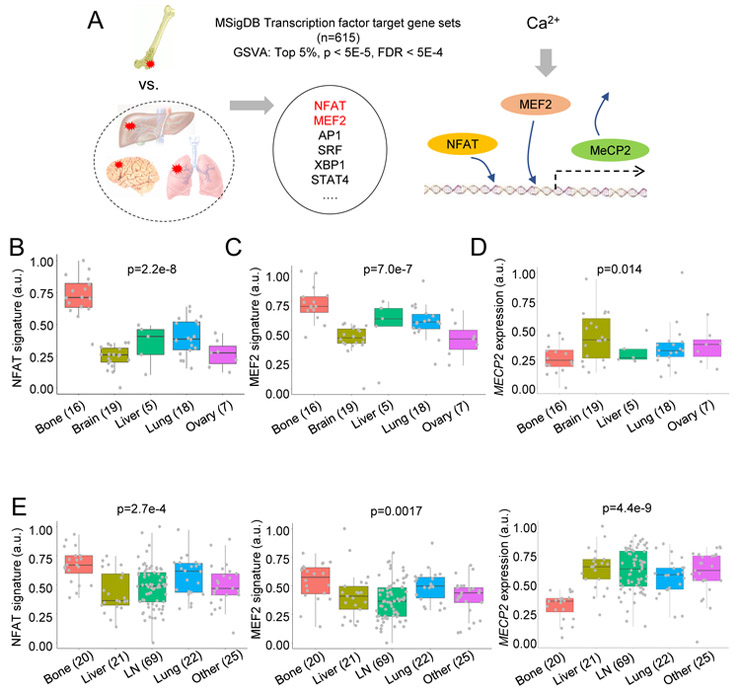
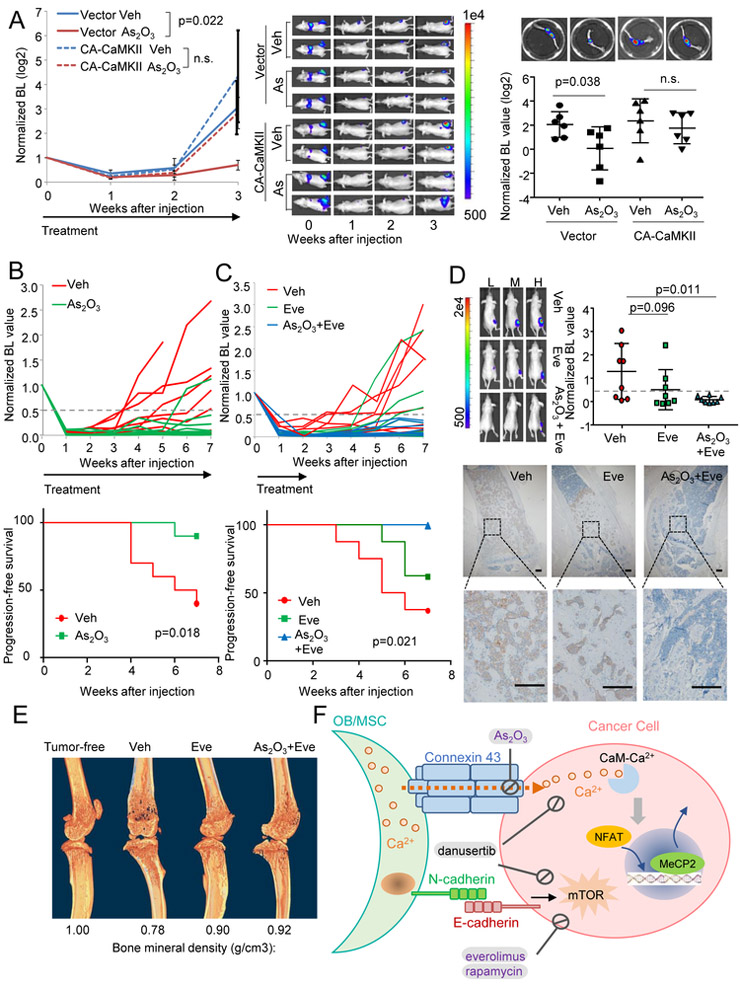
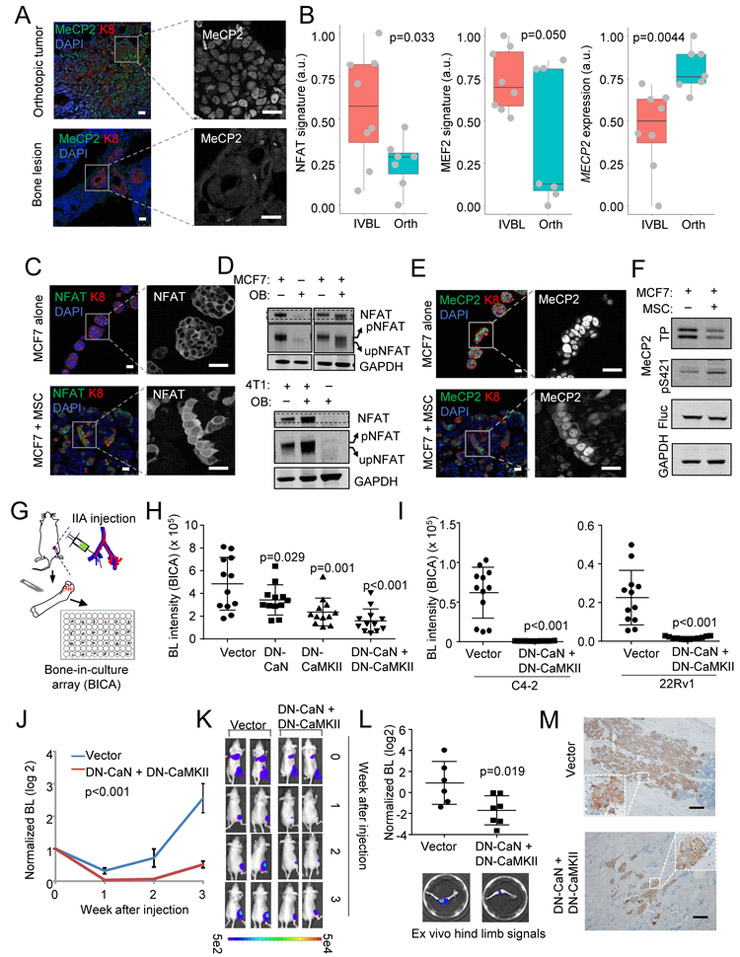
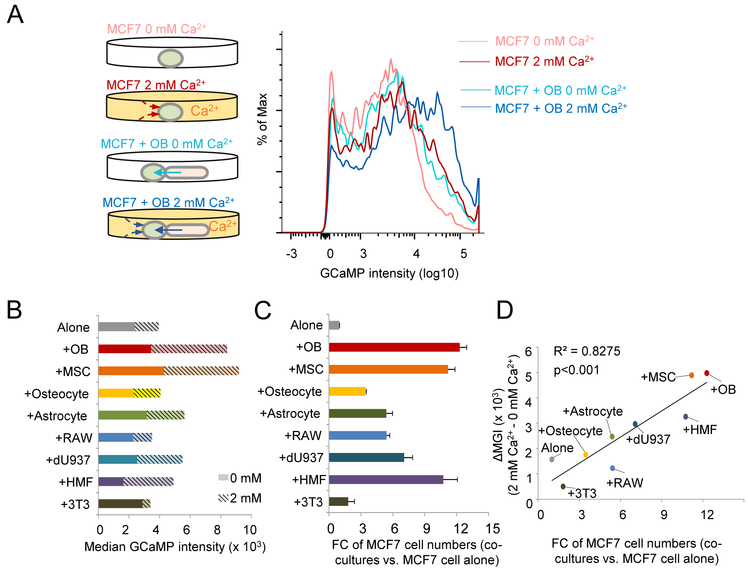
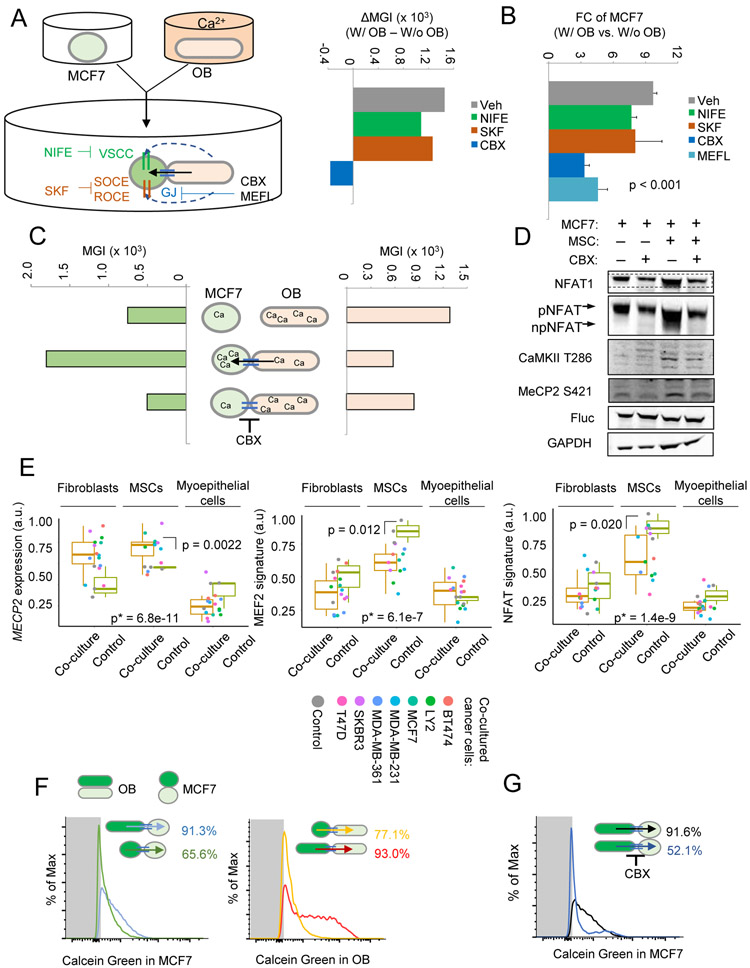
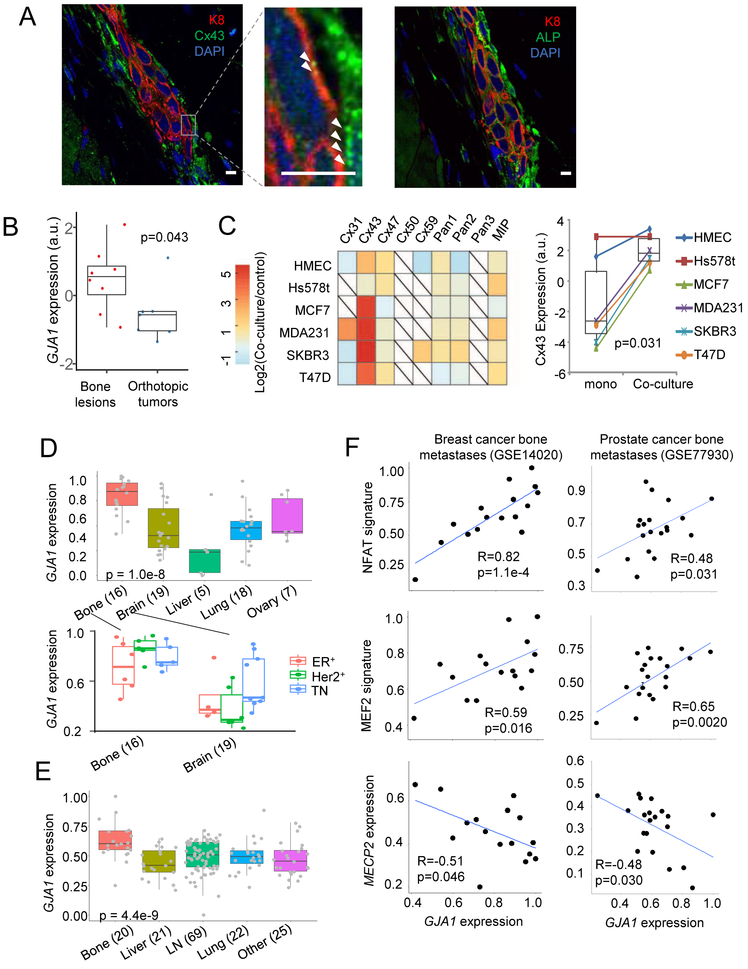
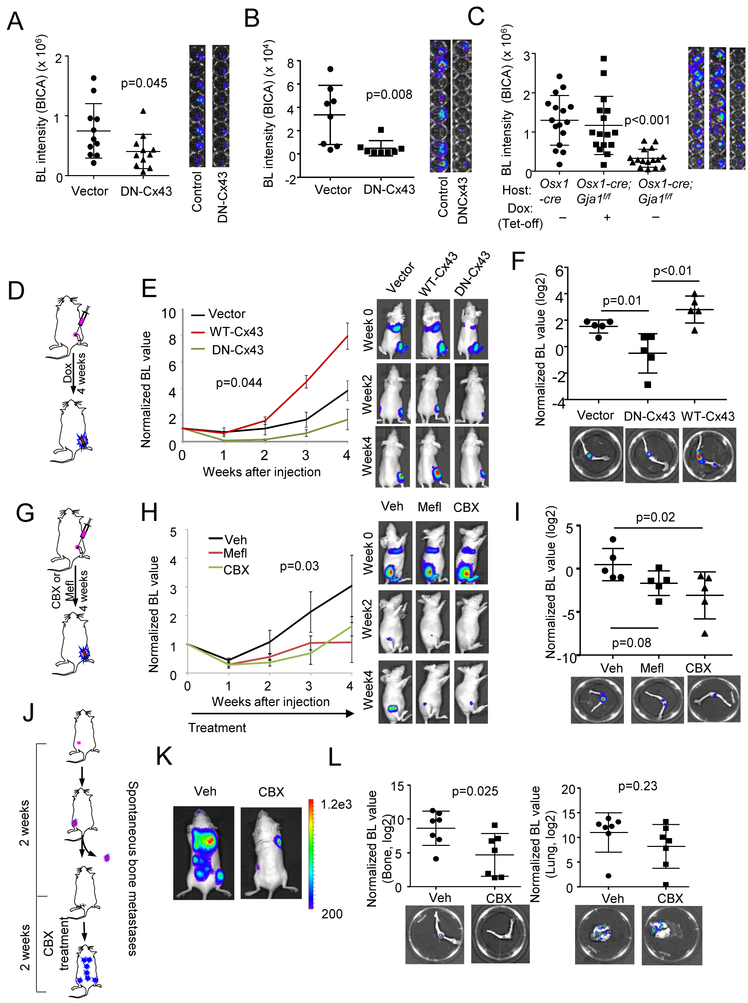
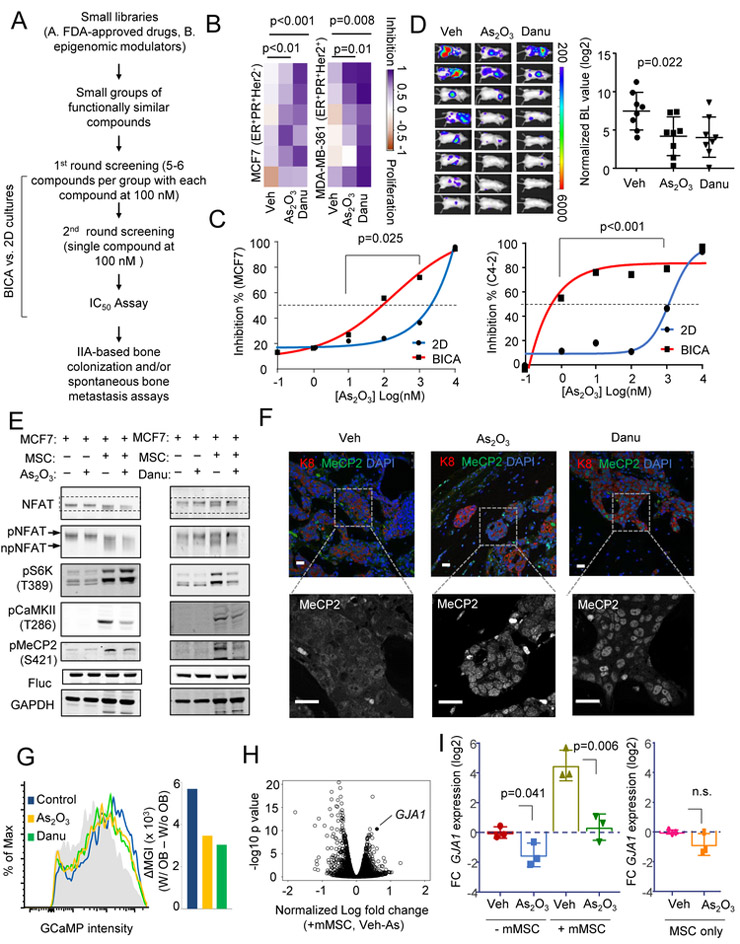
The fate of disseminated tumor cells is largely determined by microenvironment (ME) niche. The osteogenic niche promotes cancer cell proliferation and bone metastasis progression. We investigated the underlying mechanisms using pre-clinical models and analyses of clinical data. We discovered that the osteogenic niche serves as a calcium (Ca) reservoir for cancer cells through gap junctions. Cancer cells cannot efficiently absorb Ca from ME, but depend on osteogenic cells to increase intracellular Ca concentration. The Ca signaling, together with previously identified mammalian target of rapamycin signaling, promotes bone metastasis progression. Interestingly, effective inhibition of these pathways can be achieved by danusertib, or a combination of everolimus and arsenic trioxide, which provide possibilities of eliminating bone micrometastases using clinically established drugs.
播散性肿瘤细胞的命运在很大程度上取决于微环境 (ME) 小生境。成骨小生境促进癌细胞增殖和骨转移进展。我们使用临床前模型和临床数据分析来研究潜在的机制。我们发现,成骨小生境通过缝隙连接为癌细胞充当钙 (Ca) 储库。癌细胞不能有效地从 ME 中吸收 Ca,但依赖于成骨细胞来增加细胞内 Ca 浓度。Ca 信号与先前确定的雷帕霉素哺乳动物靶标信号一起促进骨转移进展。有趣的是,达努塞替布或依维莫司和三氧化二砷联合使用可以有效地抑制这些通路,这为使用临床现有药物消除骨微转移提供了可能性。