Kydd Janel, Jadia Rahul, Rai Prakash
Biomedical Engineering and Biotechnology Program, University of Massachusetts Lowell, 1 University Ave, Lowell, MA 01854, USA.
Department of Chemical Engineering, University of Massachusetts Lowell, 1 University Ave, Lowell, MA 01854, USA.
Pharmaceutics. 2018 Nov 10;10(4):226. doi: 10.3390/pharmaceutics10040226.
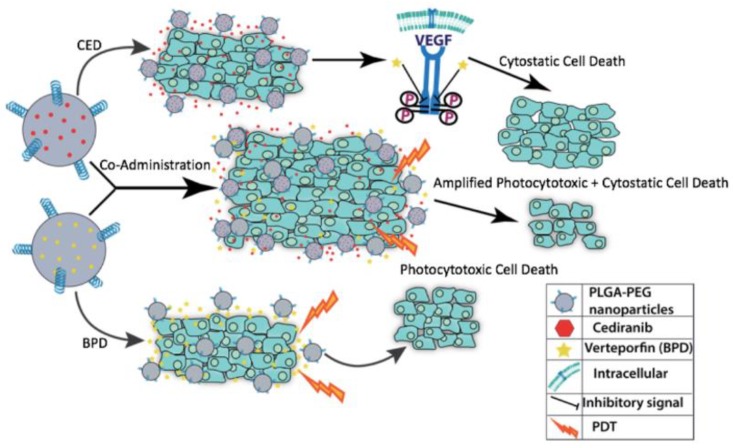
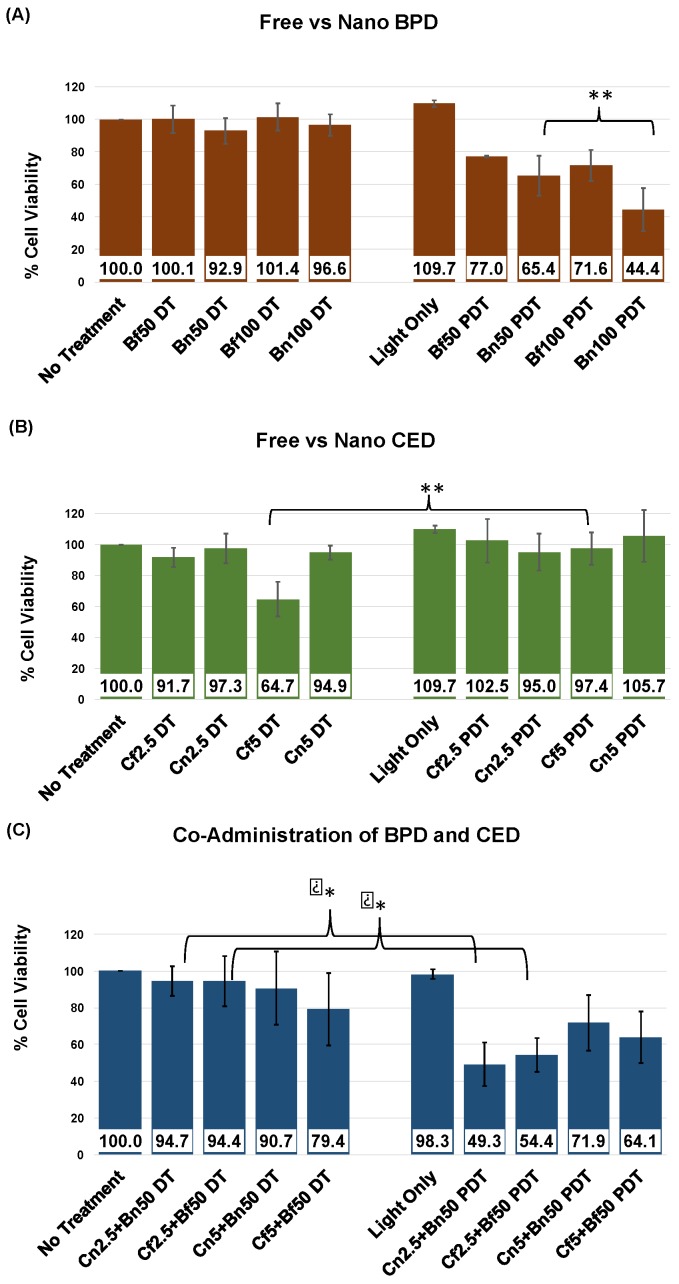
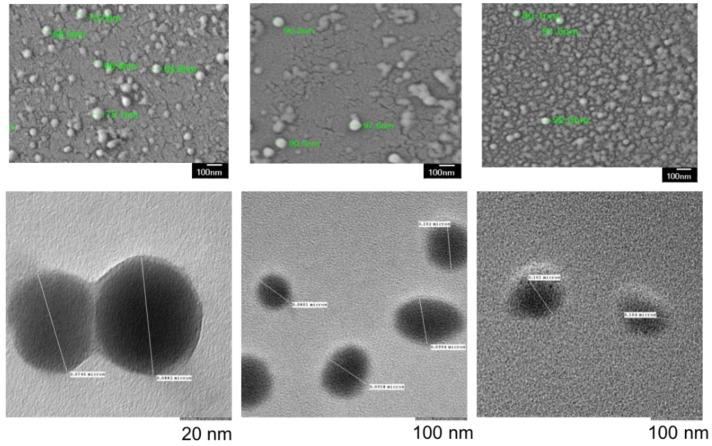
Polymer-based nanoparticles (NPs) are useful vehicles in treating glioblastoma because of their favorable characteristics such as small size and ability to cross the blood⁻brain barrier, as well as reduced immunogenicity and side effects. The use of a photosensitizer drug such as Verteporfin (BPD), in combination with a pan-vascular endothelial growth factor receptor (VEGFR) tyrosine kinase inhibitor (TKI), Cediranib (CED), encapsulated in NPs will provide the medical field with new research on the possible ways to treat glioblastoma. Concomitant administration of BPD and CED NPs have the potential to induce dual photocytotoxic and cytostatic effects in U87 MG cells by (1) remotely triggering BPD through photodynamic therapy by irradiating laser at 690 nm and subsequent production of reactive oxygen species and (2) inhibiting cell proliferation by VEGFR interference and growth factor signaling mechanisms which may allow for longer progression free survival in patients and fewer systemic side effects. The specific aims of this research were to synthesize, characterize and assess cell viability and drug interactions for polyethylene-glycolated (PEGylated) polymeric based CED and BPD NPs which were less than 100 nm in size for enhanced permeation and retention effects. Synergistic effects were found using the co-administered therapies compared to the individual drugs. The major goal of this research was to investigate a new combination of photodynamic-chemotherapy drugs in nano-formulation for increased efficacy in glioblastoma treatment at reduced concentrations of therapeutics for enhanced drug delivery in vitro.
基于聚合物的纳米颗粒(NPs)因其具有诸如尺寸小、能够穿越血脑屏障、免疫原性降低以及副作用减少等有利特性,在治疗胶质母细胞瘤方面是有用的载体。将一种光敏药物如维替泊芬(BPD)与一种泛血管内皮生长因子受体(VEGFR)酪氨酸激酶抑制剂(TKI)西地尼布(CED)封装在纳米颗粒中联合使用,将为医学领域提供关于治疗胶质母细胞瘤可能方法的新研究。同时给予BPD和CED纳米颗粒有潜力在U87 MG细胞中诱导双重光细胞毒性和细胞生长抑制作用,具体方式为:(1)通过在690 nm波长照射激光进行光动力疗法远程触发BPD,随后产生活性氧;(2)通过VEGFR干扰和生长因子信号传导机制抑制细胞增殖,这可能使患者获得更长的无进展生存期并减少全身副作用。本研究的具体目标是合成、表征并评估聚乙二醇化(PEG化)的基于聚合物的CED和BPD纳米颗粒的细胞活力及药物相互作用,这些纳米颗粒尺寸小于100 nm,以增强渗透和滞留效应。与单独使用药物相比,联合给药疗法显示出协同效应。本研究的主要目标是研究一种光动力化疗药物的纳米制剂新组合,以便在降低治疗药物浓度的情况下提高胶质母细胞瘤治疗效果,从而在体外增强药物递送。