Department of Bioengineering, University of Illinois at Urbana-Champaign, Urbana, IL.
Beckman Institute for Advanced Science and Technology, Urbana, IL.
Theranostics. 2018 Oct 5;8(18):5012-5024. doi: 10.7150/thno.24791. eCollection 2018.
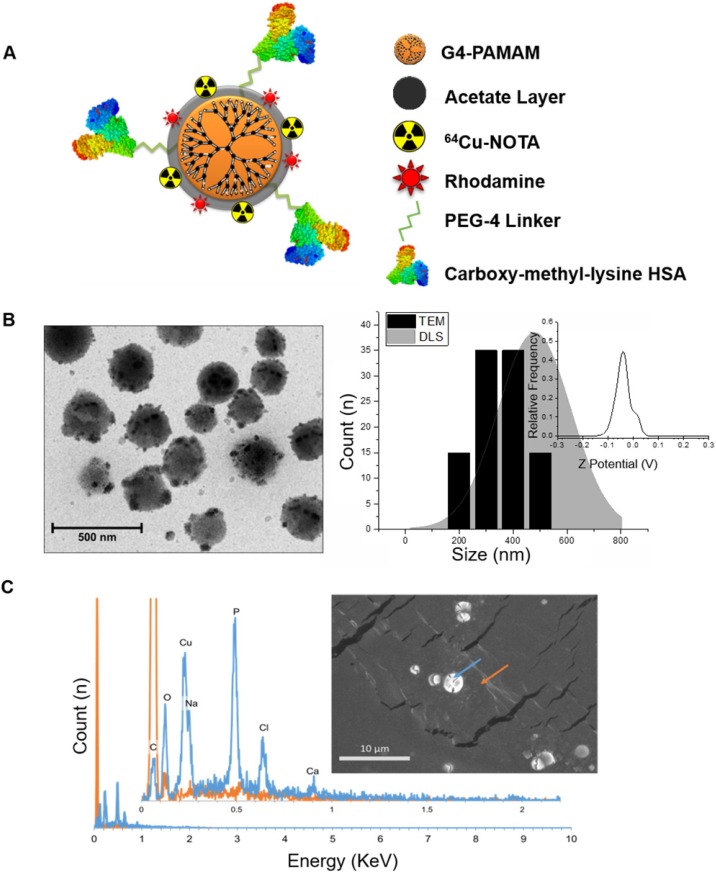
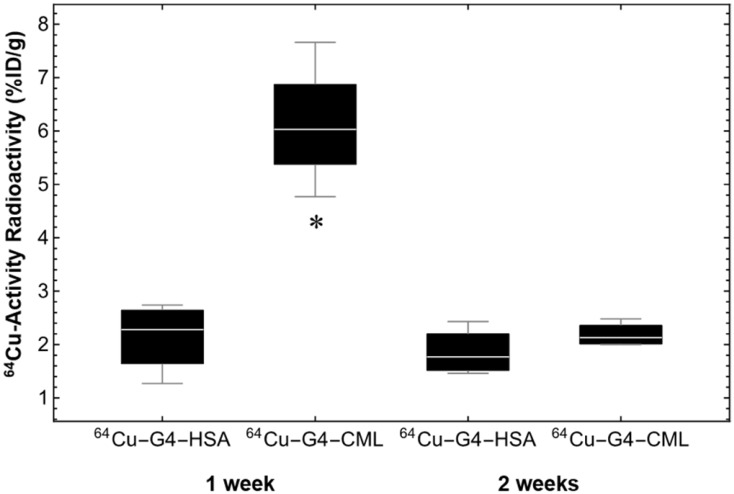
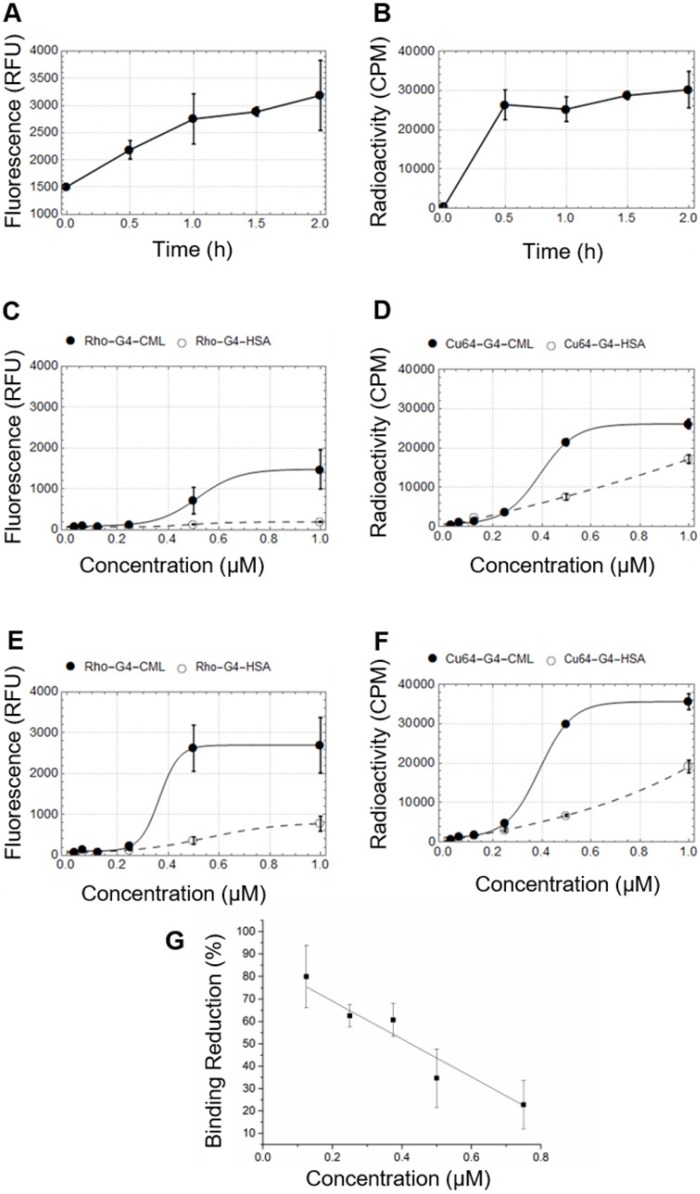
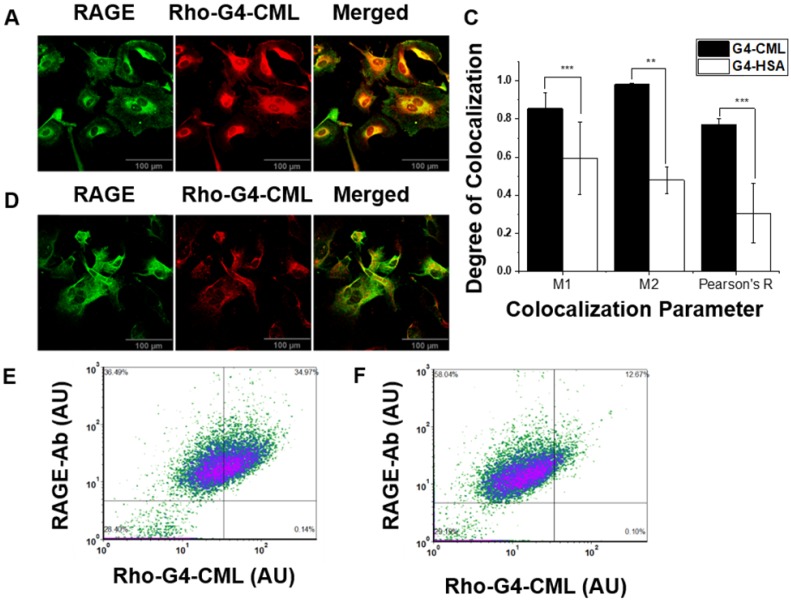
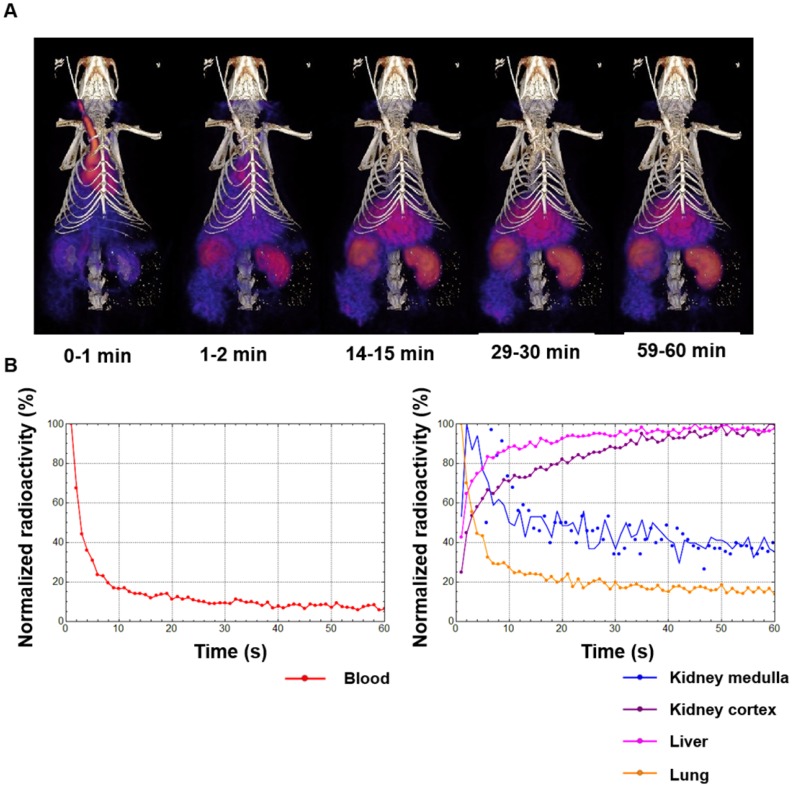
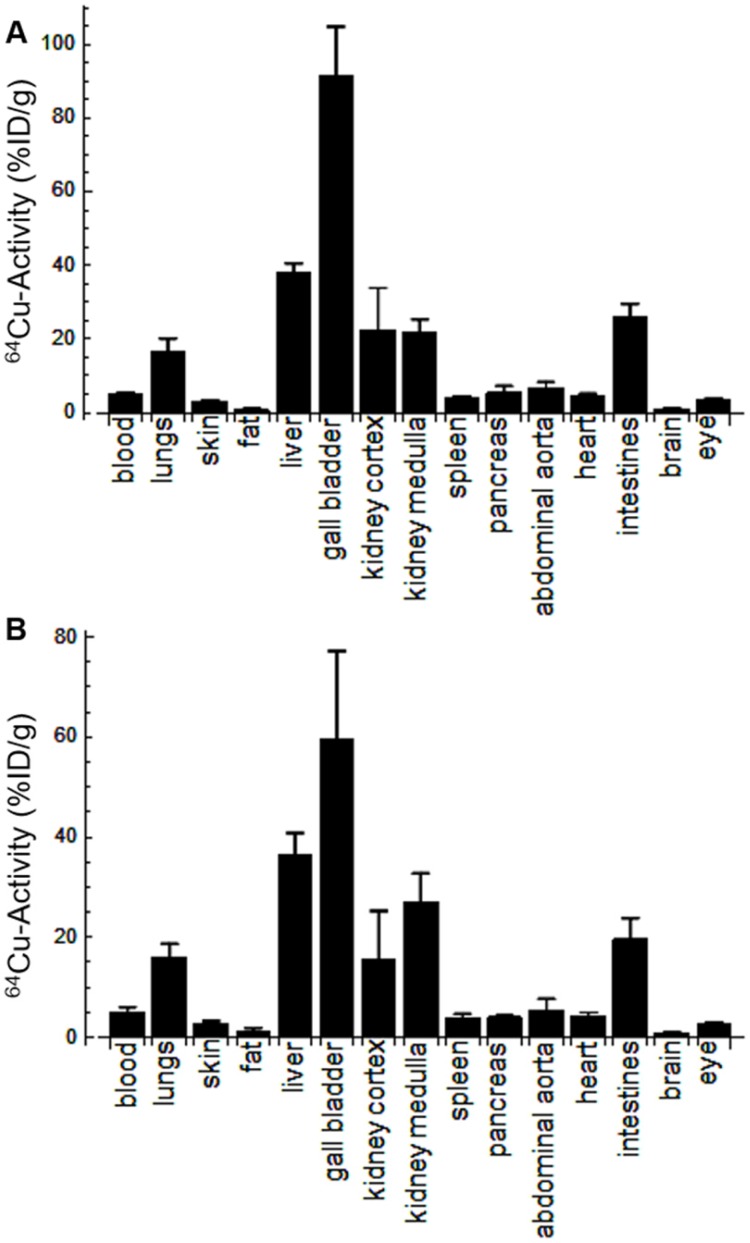
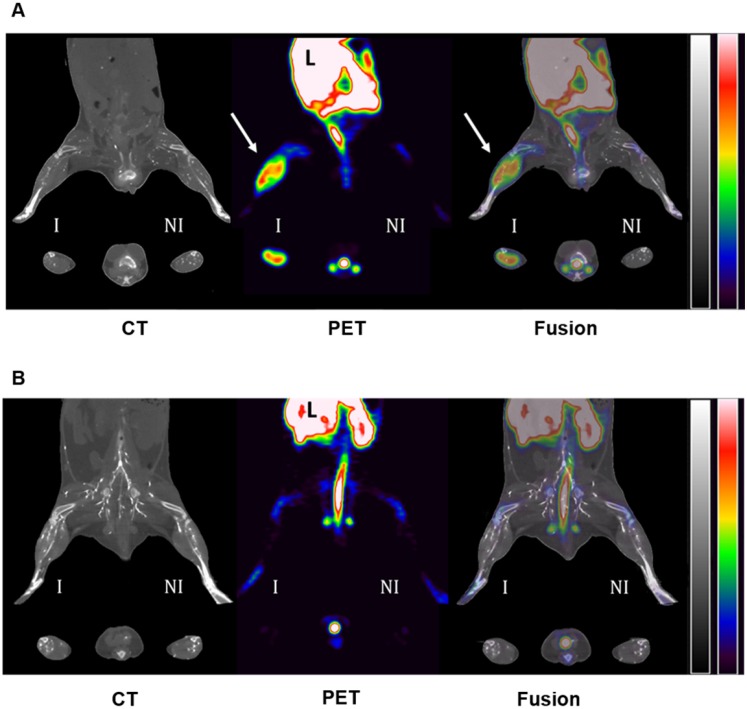
The receptor for advanced glycation end-products (RAGE) is central to multiple disease states, including diabetes-related conditions such as peripheral arterial disease (PAD). Despite RAGE's importance in these pathologies, there remains a need for a molecular imaging agent that can accurately assess RAGE levels . Therefore, we have developed a multimodal nanoparticle-based imaging agent targeted at RAGE with the well-characterized RAGE ligand, carboxymethyllysine (CML)-modified human serum albumin (HSA). A multimodal tracer (Cu-Rho-G4-CML) was developed using a generation-4 (G4) polyamidoamine (PAMAM) dendrimer, conjugated with both rhodamine and copper-64 (Cu) chelator (NOTA) for optical and PET imaging, respectively. First, Cu-Rho-G4-CML and its non-targeted analogue (Cu-Rho-G4-HSA) were evaluated chemically using techniques such as dynamic light scattering (DLS), electron microscopy and nuclear magnetic resonance (NMR). The tracers' binding capabilities were examined at the cellular level and optimized using live and fixed HUVEC cells grown in 5.5-30 mM glucose, followed by PET-CT imaging, where the probes' kinetics, biodistribution, and RAGE targeting properties were examined in a murine model of hindlimb ischemia. Finally, histological assessment of RAGE levels in both ischemic and non-ischemic tissues was performed. Our RAGE-targeted probe demonstrated an average size of 450 nm, a Kd of 340-390 nM, rapid blood clearance, and a 3.4 times greater PET uptake in ischemic RAGE-expressing hindlimbs than their non-ischemic counterpart. We successfully demonstrated increased RAGE expression in a murine model of hindlimb ischemia and the feasibility for non-invasive examination of cellular, tissue, and whole-body RAGE levels with a molecularly targeted tracer.
晚期糖基化终产物(RAGE)受体是多种疾病状态的核心,包括糖尿病相关疾病,如外周动脉疾病(PAD)。尽管 RAGE 在这些病理中很重要,但仍然需要一种分子成像剂来准确评估 RAGE 水平。因此,我们开发了一种基于多模态纳米粒子的成像剂,该成像剂靶向 RAGE,其配体是经过充分表征的 RAGE 配体羧甲基赖氨酸(CML)修饰的人血清白蛋白(HSA)。使用第四代(G4)聚酰胺胺(PAMAM)树枝状大分子,分别与罗丹明和铜-64(Cu)螯合剂(NOTA)缀合,开发了一种多模态示踪剂(Cu-Rho-G4-CML),用于光学和 PET 成像。首先,使用动态光散射(DLS)、电子显微镜和核磁共振(NMR)等技术对 Cu-Rho-G4-CML 及其非靶向类似物(Cu-Rho-G4-HSA)进行了化学评估。在 5.5-30 mM 葡萄糖培养的活和固定 HUVEC 细胞中,在细胞水平上检查了示踪剂的结合能力,并进行了优化,随后进行了 PET-CT 成像,在小鼠后肢缺血模型中检查了探针的动力学、生物分布和 RAGE 靶向特性。最后,对缺血和非缺血组织中的 RAGE 水平进行了组织学评估。我们的 RAGE 靶向探针的平均尺寸为 450nm,Kd 为 340-390nM,血液清除迅速,在表达 RAGE 的缺血后肢的 PET 摄取量比非缺血后肢高 3.4 倍。我们成功地在小鼠后肢缺血模型中证明了 RAGE 表达增加,并证明了使用分子靶向示踪剂进行细胞、组织和全身 RAGE 水平的非侵入性检查的可行性。