Novo Nordisk Foundation Center for Protein Research, University of Copenhagen, Copenhagen, Denmark
J Cell Biol. 2019 Feb 4;218(2):395-409. doi: 10.1083/jcb.201809138. Epub 2018 Nov 16.
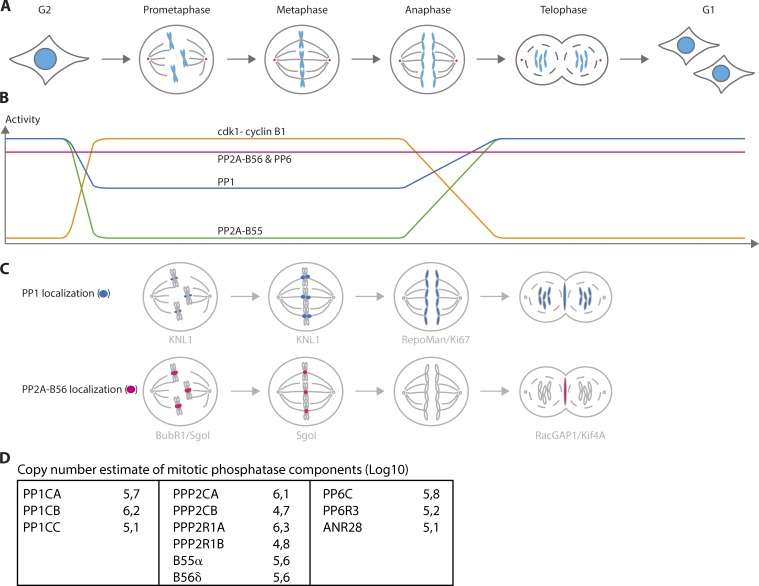
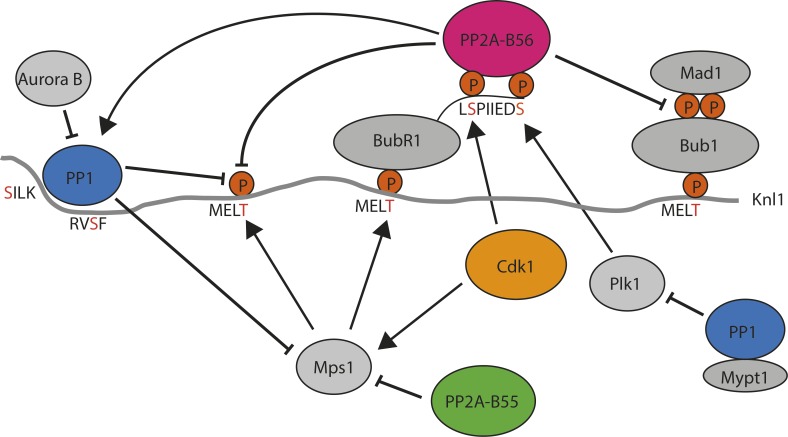
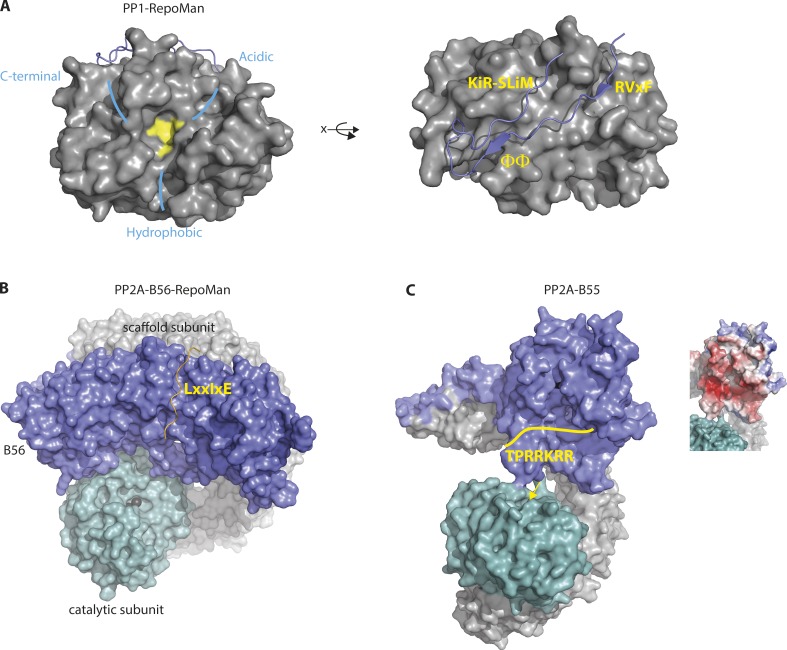
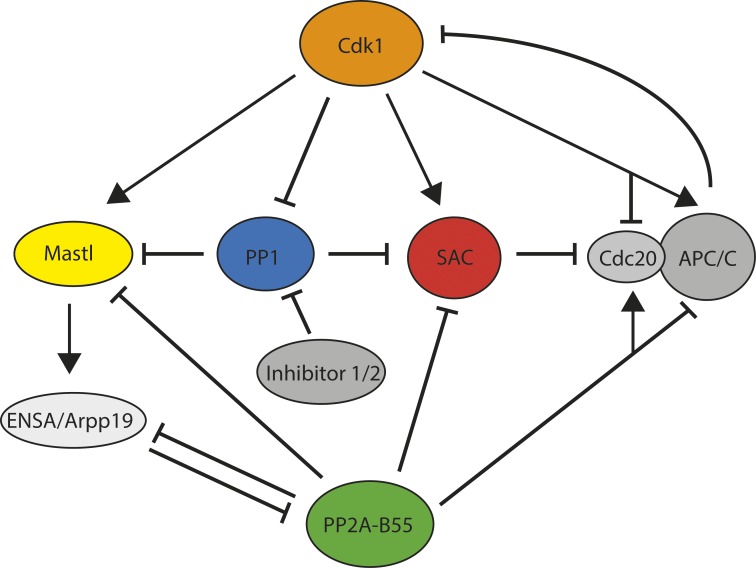
The accurate segregation of genetic material to daughter cells during mitosis depends on the precise coordination and regulation of hundreds of proteins by dynamic phosphorylation. Mitotic kinases are major regulators of protein function, but equally important are protein phosphatases that balance their actions, their coordinated activity being essential for accurate chromosome segregation. Phosphoprotein phosphatases (PPPs) that dephosphorylate phosphoserine and phosphothreonine residues are increasingly understood as essential regulators of mitosis. In contrast to kinases, the lack of a pronounced peptide-binding cleft on the catalytic subunit of PPPs suggests that these enzymes are unlikely to be specific. However, recent exciting insights into how mitotic PPPs recognize specific substrates have revealed that they are as specific as kinases. Furthermore, the activities of PPPs are tightly controlled at many levels to ensure that they are active only at the proper time and place. Here, I will discuss substrate selection and regulation of mitotic PPPs focusing mainly on animal cells and explore how these actions control mitosis, as well as important unanswered questions.
在有丝分裂过程中,遗传物质准确地分配到子细胞中,这依赖于数百种蛋白质通过动态磷酸化的精确协调和调节。有丝分裂激酶是蛋白质功能的主要调节剂,但同样重要的是蛋白磷酸酶,它们可以平衡它们的作用,它们的协调活动对于准确的染色体分离是必不可少的。去磷酸化磷酸丝氨酸和磷酸苏氨酸残基的磷酸蛋白磷酸酶(PPPs)越来越被认为是有丝分裂的重要调节剂。与激酶不同,PPP 催化亚基上缺乏明显的肽结合裂缝表明这些酶不太可能具有特异性。然而,最近关于有丝分裂 PPP 如何识别特定底物的令人兴奋的见解表明,它们与激酶一样具有特异性。此外,PPP 的活性在多个水平上受到严格控制,以确保它们仅在适当的时间和地点发挥作用。在这里,我将主要讨论动物细胞中与有丝分裂 PPP 相关的底物选择和调节,并探讨这些作用如何控制有丝分裂,以及一些重要的未解决问题。