Dessì Angelica, Briana Despina, Corbu Sara, Gavrili Stavroula, Cesare Marincola Flaminia, Georgantzi Sofia, Pintus Roberta, Fanos Vassilios, Malamitsi-Puchner Ariadne
Neonatal Intensive Care Unit, Neonatal Pathology and Neonatal Section, Azienda University Polyclinic, University of Cagliari, 09124 Cagliari, Italy.
National and Kapodistrian University of Athens, 10679 Athens, Greece.
Metabolites. 2018 Nov 20;8(4):79. doi: 10.3390/metabo8040079.
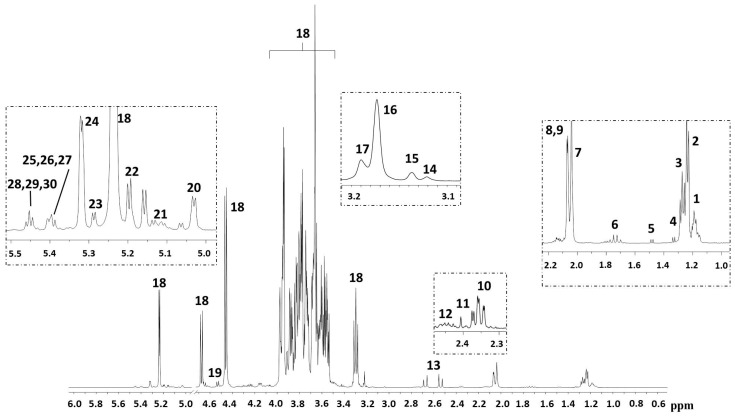
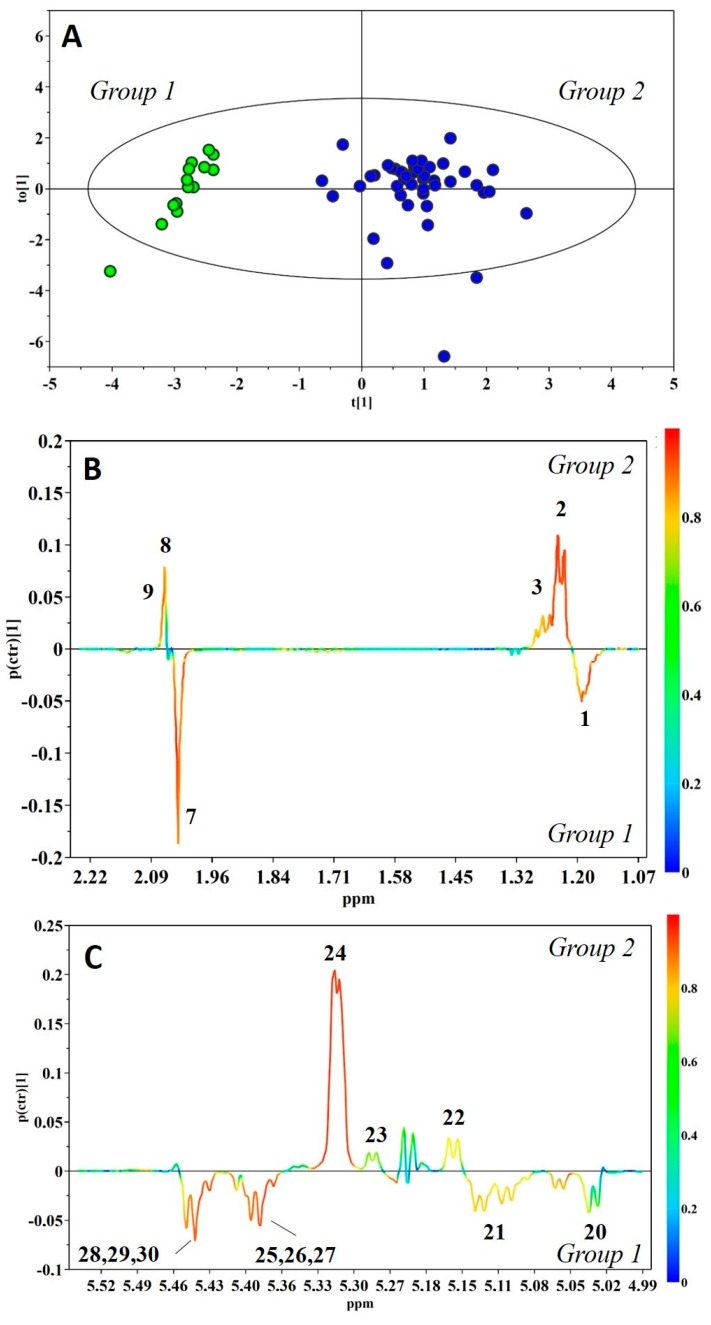
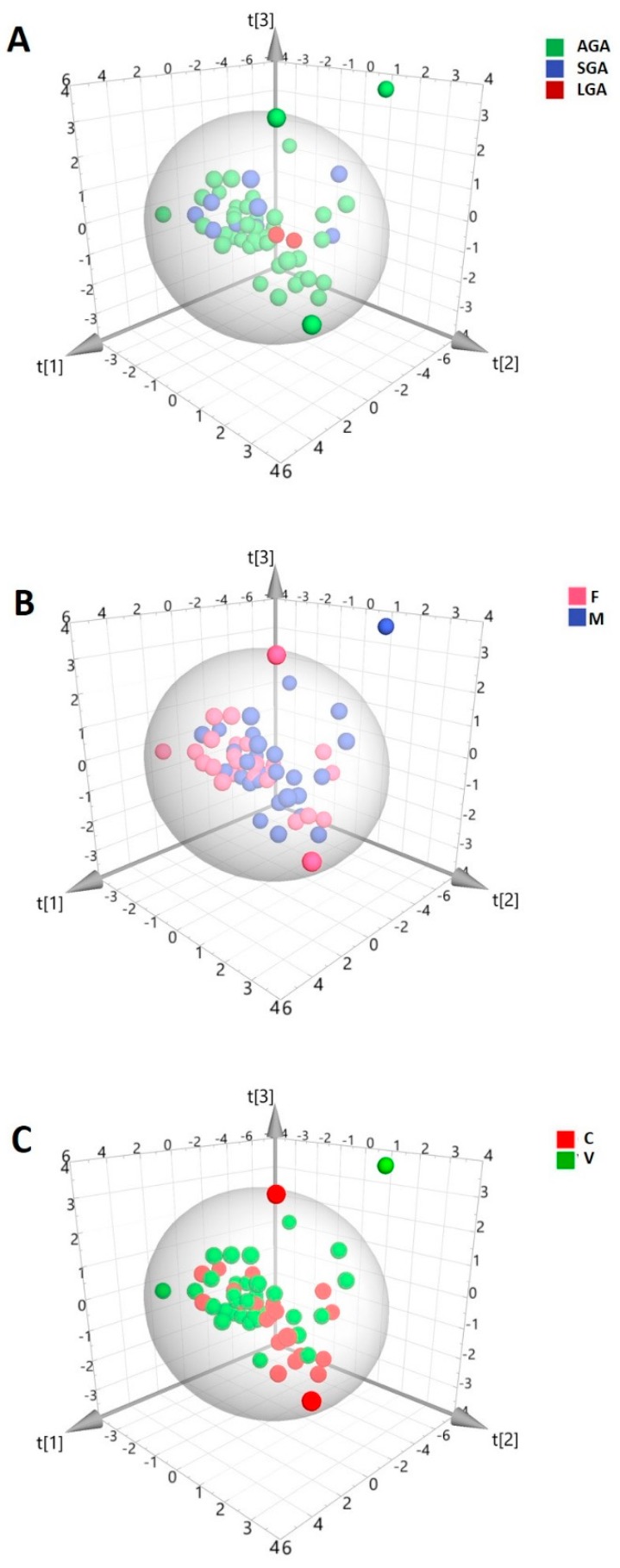
Breast milk is the gold standard of nutrition for newborns. Its composition is tailored to the nutritional needs of the infant and varies between mothers. In recent years, several bioactive molecules have been discovered in addition to the main nutrients, such as multipotent stem cells, hormones, immunoglobulins, and bacteria. Furthermore, the human milk oligosaccharides (HMOs) seem to exert several important protective biological functions. According to the HMOs' composition, breast milk can be classified as a secretory or non-secretory phenotype. In our study, we investigated the metabolome of milk collected from 58 mothers that delivered neonates at term, that were appropriate, small or large for gestational age, by performing nuclear magnetic resonance spectroscopy (¹H-NMR). From the data analysis, two groups were distinguished based on their different types of oligosaccharides, and classified according the mother phenotype: secretory and non-secretory. This information is of major importance given the different biological function of the different HMOs, such as immune-modulation and protection against disease. This would allow us to predict whether the neonate would be, for instance, more prone to developing certain diseases, and to tailor her or his nutrition to fit their needs perfectly and pave the way to a personalized nutrition.
母乳是新生儿营养的黄金标准。其成分是根据婴儿的营养需求定制的,且在不同母亲之间存在差异。近年来,除了主要营养素外,还发现了几种生物活性分子,如多能干细胞、激素、免疫球蛋白和细菌。此外,人乳寡糖(HMOs)似乎发挥着多种重要的保护生物学功能。根据HMOs的组成,母乳可分为分泌型或非分泌型表型。在我们的研究中,我们通过进行核磁共振波谱(¹H-NMR),调查了58名足月分娩新生儿的母亲所产乳汁的代谢组,这些新生儿的出生体重与孕周相符、小于孕周或大于孕周。通过数据分析,根据不同类型的寡糖区分出两组,并根据母亲的表型进行分类:分泌型和非分泌型。鉴于不同HMOs具有不同的生物学功能,如免疫调节和疾病预防,这一信息至关重要。这将使我们能够预测新生儿是否更容易患上某些疾病,并为其量身定制营养方案,以完美满足其需求,为个性化营养铺平道路。