Center for Integrative Brain Research, Seattle Children's Research Institute, Seattle, WA 98101, United States of America.
Center for Integrative Brain Research, Seattle Children's Research Institute, Seattle, WA 98101, United States of America.
Neurotoxicol Teratol. 2019 Jan-Feb;71:22-31. doi: 10.1016/j.ntt.2018.11.004. Epub 2018 Nov 22.
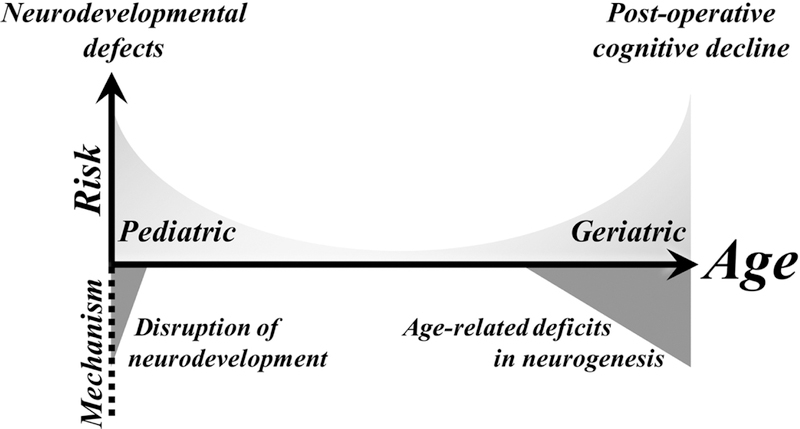
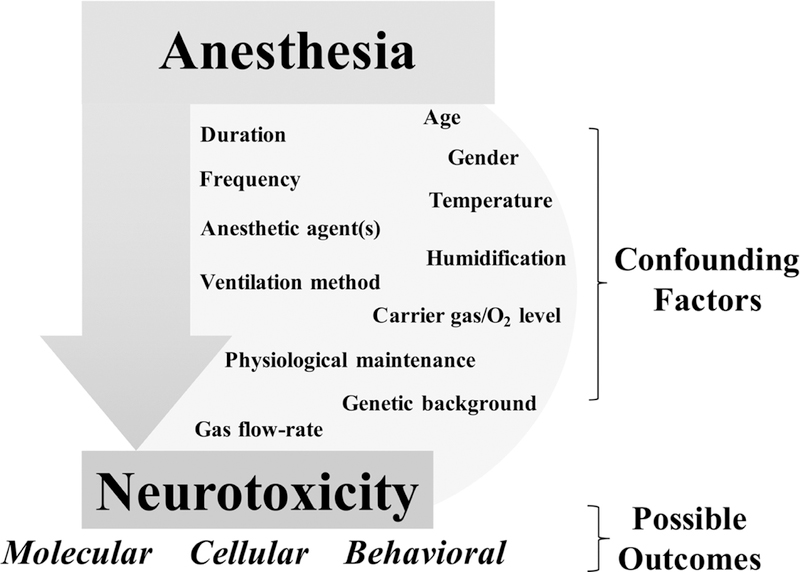
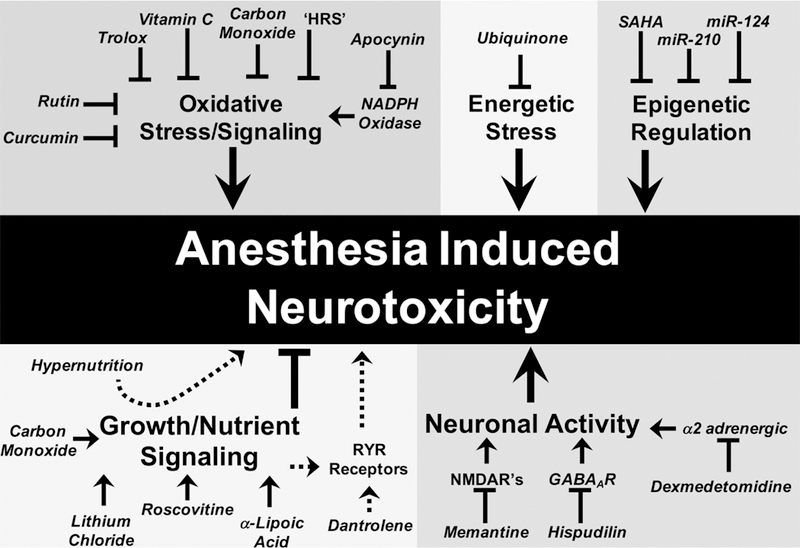
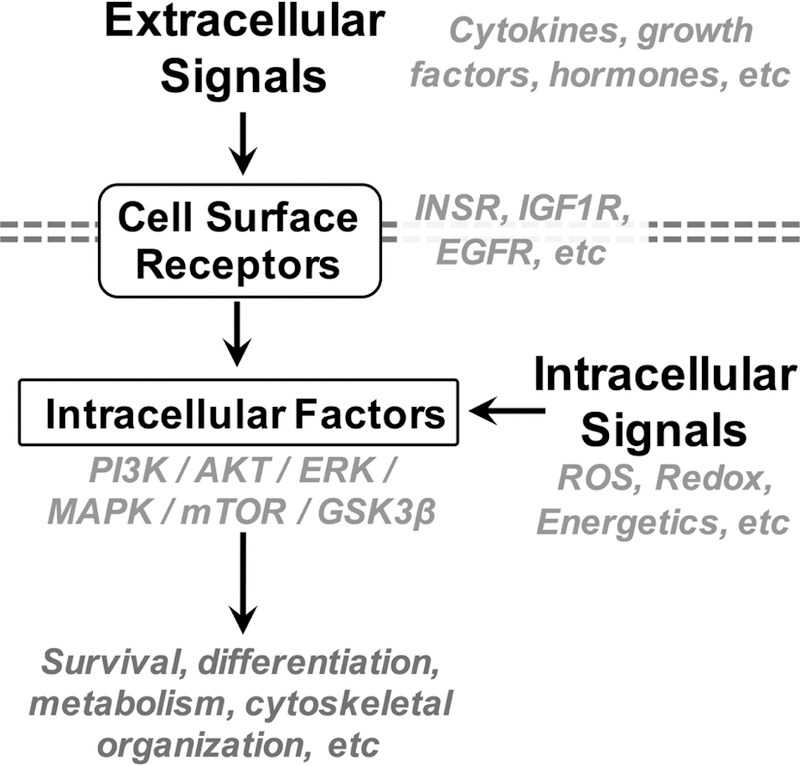
Volatile anesthetics are widely used in human medicine and generally considered to be safe in healthy individuals. In recent years, the safety of volatile anesthesia in pediatric patients has been questioned following reports of anesthetic induced neurotoxicity in pre-clinical studies. These studies in mice, rats, and primates have demonstrated that exposure to anesthetic agents during early post-natal periods can cause acute neurotoxicity, as well as later-life cognitive defects including deficits in learning and memory. In recent years, the focus of many pre-clinical studies has been on identifying candidate pathways or potential therapeutic targets through intervention trials. These reports have shed light on the mechanisms underlying anesthesia induced neurotoxicity as well as highlighting the challenges of pre-clinical modeling of anesthesia induced neurotoxicity in mice. Here, we summarize the data derived from intervention studies in neonatal mouse models of anesthetic exposure and provide an overview of mechanisms proposed to mediate anesthesia induced neurotoxicity in mice based on these reports. The majority of these studies implicate one of three mechanisms: reactive oxygen species (ROS) mediated stress and signaling, growth/nutrient signaling, or direct neuronal modulation.
挥发性麻醉剂在人类医学中被广泛应用,通常被认为在健康个体中是安全的。近年来,在临床前研究中报道了麻醉诱导的神经毒性后,小儿患者使用挥发性麻醉的安全性受到质疑。这些在小鼠、大鼠和灵长类动物中的研究表明,在出生后早期暴露于麻醉剂会导致急性神经毒性,以及后期生活中的认知缺陷,包括学习和记忆缺陷。近年来,许多临床前研究的重点是通过干预试验确定候选途径或潜在的治疗靶点。这些报告揭示了麻醉诱导的神经毒性的机制,并强调了在小鼠中进行麻醉诱导的神经毒性的临床前模型建立的挑战。在这里,我们总结了从麻醉暴露的新生小鼠模型的干预研究中得出的数据,并根据这些报告概述了用于介导小鼠麻醉诱导的神经毒性的机制。这些研究中的大多数都暗示了三种机制之一:活性氧(ROS)介导的应激和信号转导、生长/营养信号转导或直接神经元调节。