Lim Kang Taek, Nam Han Ga Wi, Kim Soo Beom, Kim Hyung Suk, Park Jin Soo, Park Chun-Kun
Department of Neurosurgery, Good Doctor Teun Teun Hospital, Anyang, Korea.
Asian Spine J. 2019 Apr;13(2):272-282. doi: 10.31616/asj.2018.0228. Epub 2018 Nov 27.
This retrospective study involved 450 consecutive cases of degenerative lumbar stenosis treated with percutaneous stenoscopic lumbar decompression (PSLD).
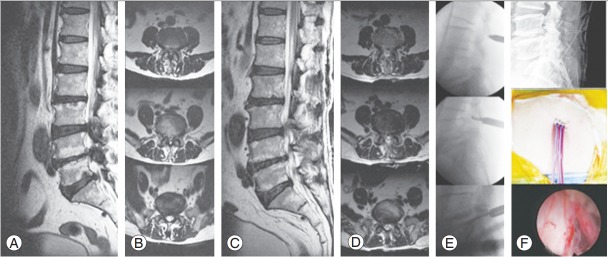
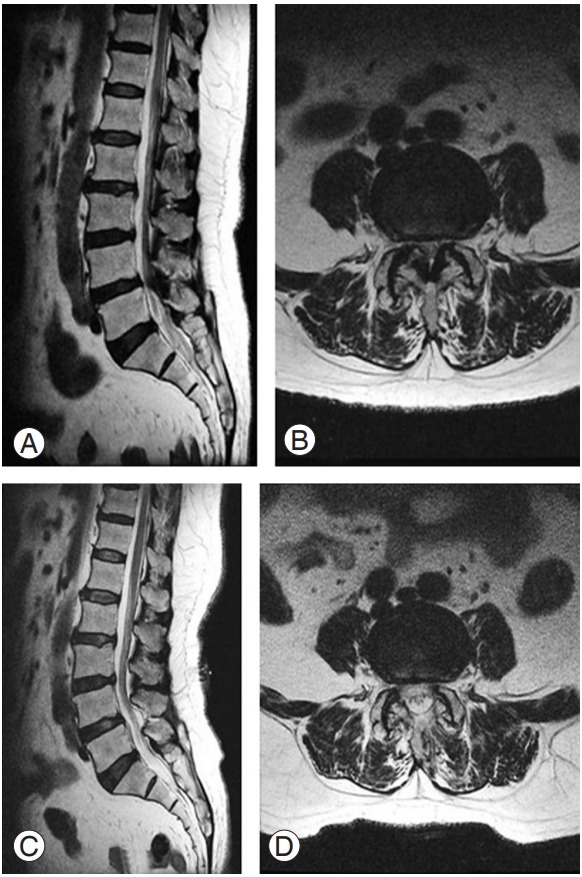
We determined the feasibility of PSLD for lumbar stenosis at single and multiple levels (minimum 1-year follow-up) by image analysis to observe postoperative widening of the vertebral canal in the area.
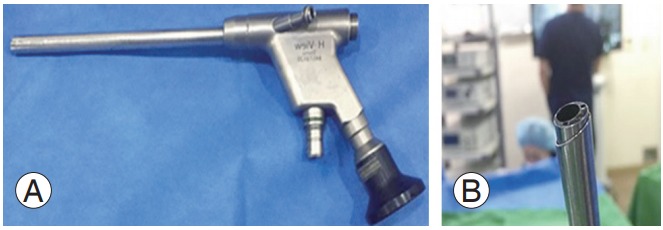
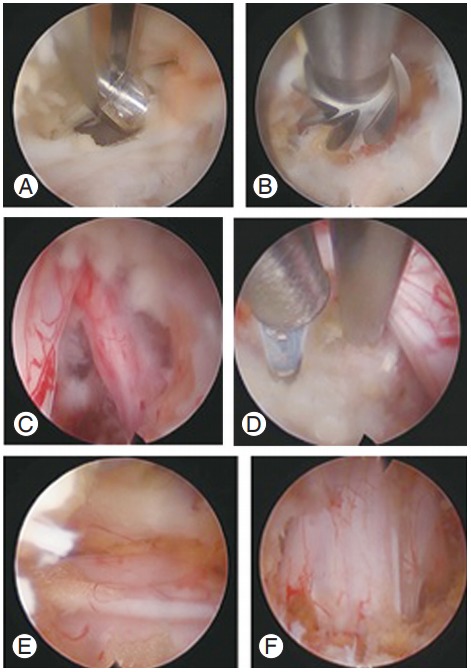
The decision not to perform an endoscopic decompression might be due to the surgeon being uncomfortable with conventional microscopic decompression or unfamiliar with endoscopic techniques or the unavailability of relevant surgical tools to completely decompress the spinal stenosis.
The decompressed canal was compared between preoperative controls and postoperative treated cases. Data on operative results, including length of stay, operative time, and surgical complications, were analyzed. Patients were assessed clinically on the basis of the Visual Analog Scale (VAS) score for the back and legs and using the Oswestry Disability Index (ODI).
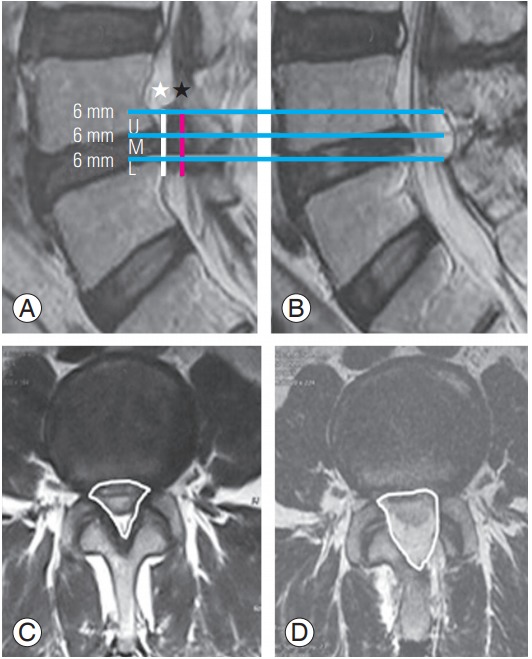
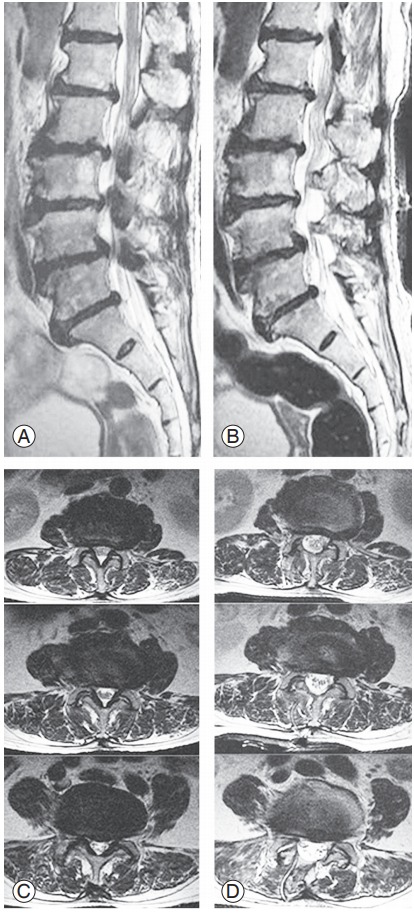
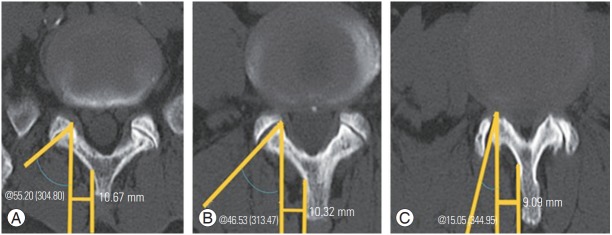
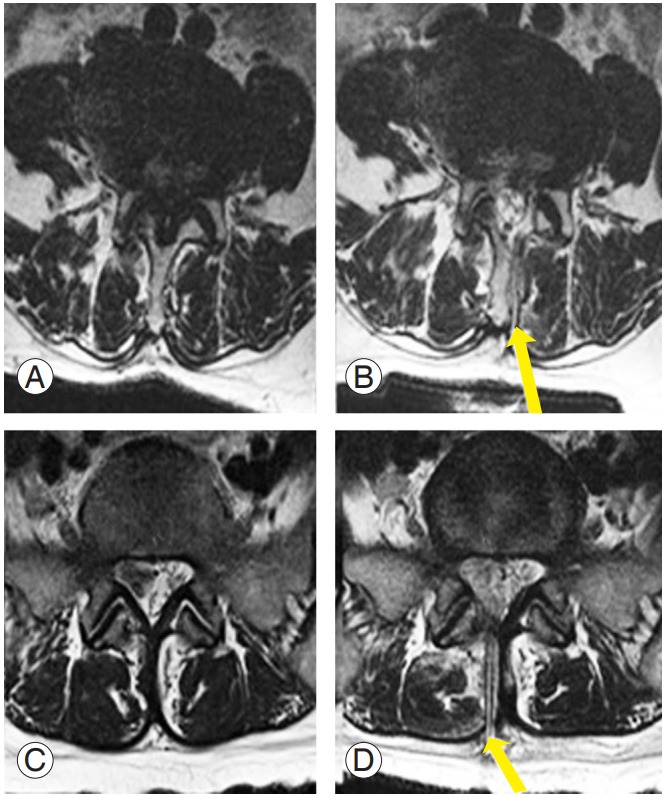
Postoperative magnetic resonance imaging revealed that PSLD increased the canal cross-sectional area by 52.0% compared with the preoperative area at the index segment (p<0.001) and demonstrated minimal damage to the normal soft tissues including muscles and the extent of removed normal bony tissues. Mean improvements in VAS score and ODI were 4.0 (p<0.001) and 40% (p<0.001), respectively.
PSLD could be an alternative to microscopic or microendoscopic decompression with various advantages in the surgical management of lumbar stenosis.
这项回顾性研究纳入了450例连续接受经皮狭窄镜下腰椎减压术(PSLD)治疗的退变性腰椎管狭窄症患者。
我们通过影像分析确定PSLD治疗单节段和多节段腰椎管狭窄症(至少随访1年)的可行性,以观察该区域术后椎管的扩大情况。
不进行内镜减压的决定可能是由于外科医生对传统显微减压术不适应、不熟悉内镜技术或缺乏完全减压椎管狭窄所需的相关手术工具。
对术前对照组和术后治疗组的减压椎管进行比较。分析包括住院时间、手术时间和手术并发症在内的手术结果数据。根据背部和腿部的视觉模拟量表(VAS)评分以及使用Oswestry功能障碍指数(ODI)对患者进行临床评估。
术后磁共振成像显示,与索引节段的术前面积相比,PSLD使椎管横截面积增加了52.0%(p<0.001),对包括肌肉在内的正常软组织的损伤最小,且切除的正常骨组织范围也最小。VAS评分和ODI的平均改善分别为4.0(p<0.001)和40%(p<0.001)。
PSLD可作为显微或显微内镜减压的替代方法,在腰椎管狭窄症的手术治疗中具有多种优势。