Nadel Simon, Ninis Nelly
Paediatric Intensive Care Unit, St. Mary's Hospital and Imperial College London, London, United Kingdom.
Paediatrics, St Mary's Hospital, London, United Kingdom.
Front Pediatr. 2018 Nov 9;6:321. doi: 10.3389/fped.2018.00321. eCollection 2018.
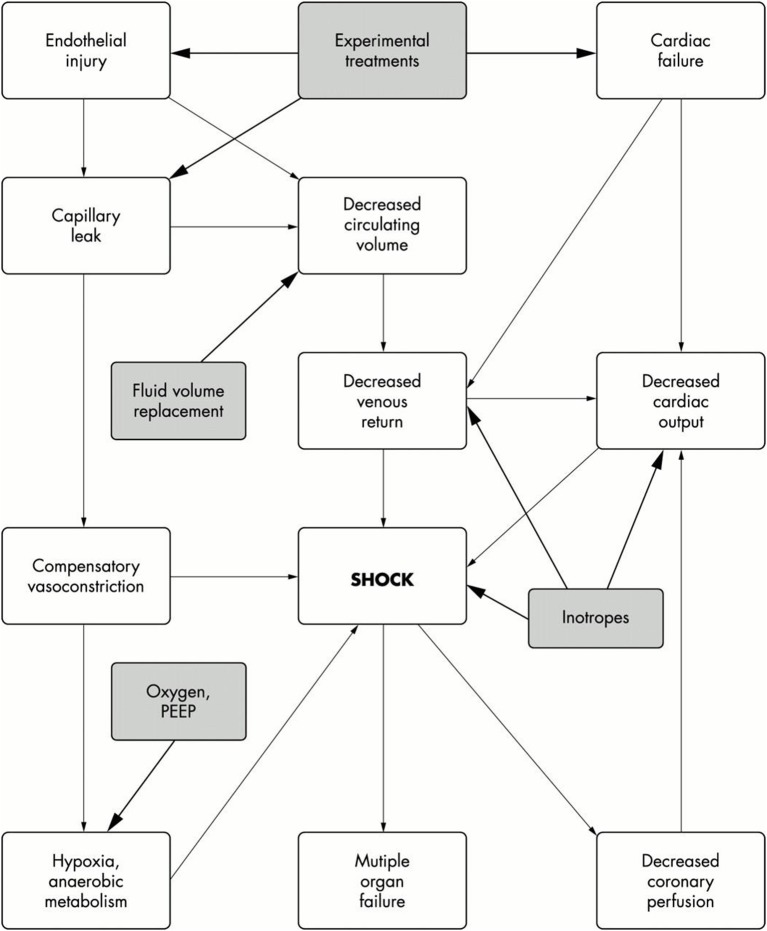
Infection with the meningococcus is one of the main causes of meningitis and septicaemia worldwide. Humans are the only natural reservoir for the meningococcus which is found primarily as a commensal inhabitant in the nasopharynx in ~10% of adults, and may be found in over 25% of individuals during adolescence. Prompt recognition of meningococcal infection and early aggressive treatment are essential in order to reduce mortality, which occurs in up to 10% of those with invasive meningococcal disease (IMD). This figure may be significantly higher in those with inadequate or delayed treatment. Early administration of effective parenteral antimicrobial therapy and prompt recognition and appropriate management of the complications of IMD, including circulatory shock and raised intracranial pressure (ICP), are critical to help improve patient outcome. This review summarizes clinical features of IMD and current treatment recommendations. We will discuss the evidence for immunization and effects of vaccine strategies, particularly following implementation of effective vaccines against Group B meningococcus.
脑膜炎球菌感染是全球范围内脑膜炎和败血症的主要病因之一。人类是脑膜炎球菌的唯一天然宿主,脑膜炎球菌主要作为共生菌存在于约10%成年人的鼻咽部,在青少年中,超过25%的个体可能携带该菌。为降低死亡率,及时识别脑膜炎球菌感染并尽早积极治疗至关重要,侵袭性脑膜炎球菌病(IMD)患者的死亡率高达10%。治疗不足或延迟的患者死亡率可能显著更高。早期给予有效的胃肠外抗菌治疗,以及及时识别和妥善处理IMD的并发症,包括循环性休克和颅内压(ICP)升高,对于改善患者预后至关重要。本综述总结了IMD的临床特征和当前的治疗建议。我们将讨论免疫接种的证据以及疫苗策略的效果,特别是在实施针对B群脑膜炎球菌的有效疫苗之后。