Kaushik Shivam, Kumar Rahul, Kain Pinky
Department of Neurobiology and Genetics, Regional Centre for Biotechnology, NCR Biotech Science Cluster, Faridabad, India.
Department of Biotechnology, Maharshi Dayanand University, Rohtak, India.
J Exp Neurosci. 2018 Nov 21;12:1179069518806894. doi: 10.1177/1179069518806894. eCollection 2018.
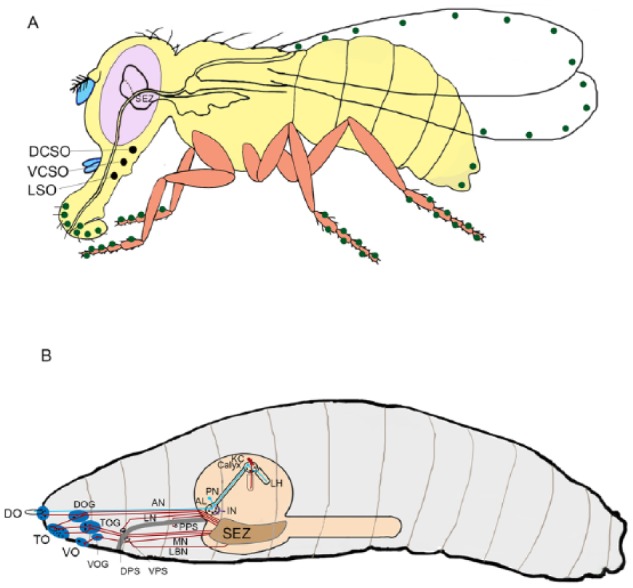
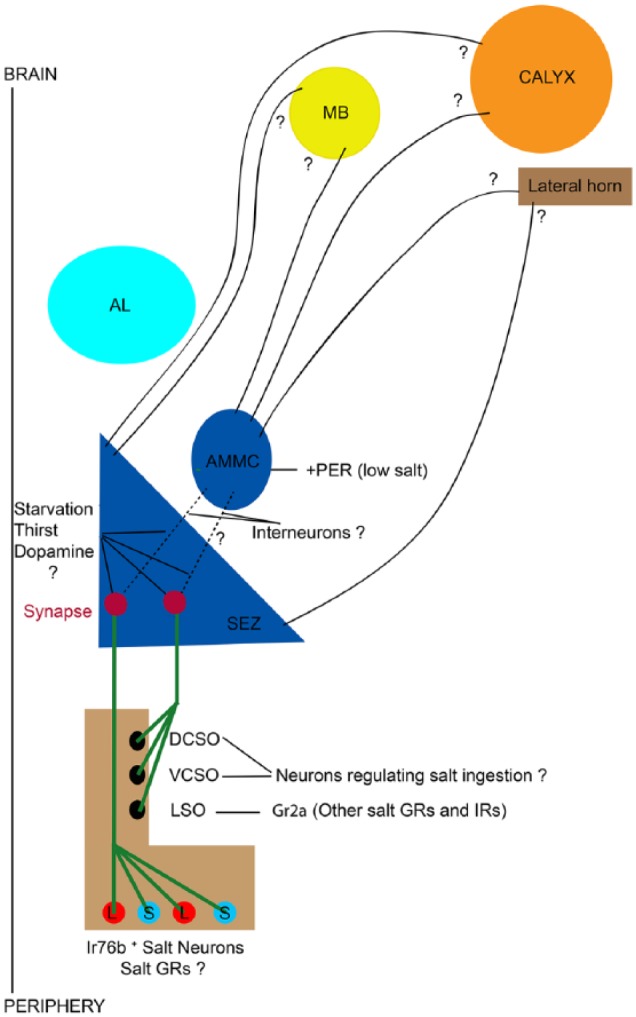
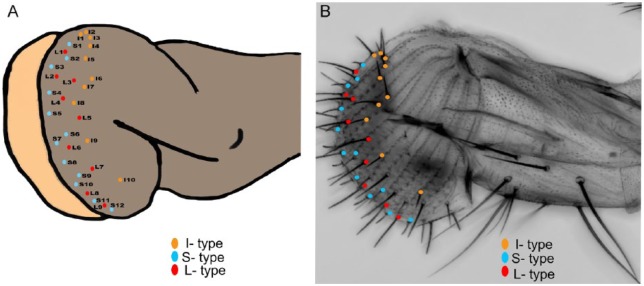
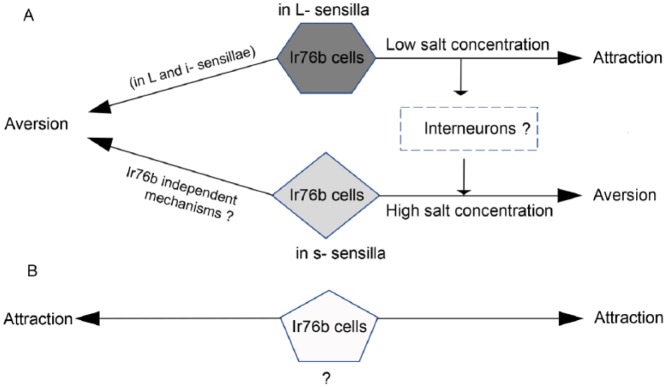
Taste modalities are conserved in insects and mammals. Sweet gustatory signals evoke attractive behaviors while bitter gustatory information drive aversive behaviors. Salt (NaCl) is an essential nutrient required for various physiological processes, including electrolyte homeostasis, neuronal activity, nutrient absorption, and muscle contraction. Not only mammals, even in melanogaster, the detection of NaCl induces two different behaviors: Low concentrations of NaCl act as an attractant, whereas high concentrations act as repellant. The fruit fly is an excellent model system for studying the underlying mechanisms of salt taste due to its relatively simple neuroanatomical organization of the brain and peripheral taste system, the availability of powerful genetic tools and transgenic strains. In this review, we have revisited the literature and the information provided by various laboratories using invertebrate model system that has helped us to understand NaCl salt taste so far. We hope that this compiled information from will be of general significance and interest for forthcoming studies of the structure, function, and behavioral role of NaCl-sensitive (low and high concentrations) gustatory circuitry for understanding NaCl salt taste in all animals.
味觉模式在昆虫和哺乳动物中是保守的。甜味味觉信号引发吸引行为,而苦味味觉信息驱动厌恶行为。盐(氯化钠)是各种生理过程所必需的营养物质,包括电解质平衡、神经元活动、营养吸收和肌肉收缩。不仅哺乳动物如此,即使在黑腹果蝇中,氯化钠的检测也会引发两种不同的行为:低浓度的氯化钠起吸引作用,而高浓度则起排斥作用。果蝇是研究盐味潜在机制的优秀模型系统,因为其大脑和外周味觉系统的神经解剖组织相对简单,有强大的遗传工具和转基因品系可供使用。在这篇综述中,我们重新审视了文献以及各个实验室使用无脊椎动物模型系统提供的信息,这些信息到目前为止帮助我们理解了氯化钠盐味。我们希望从这些信息中汇编的内容对于即将开展的关于氯化钠敏感(低浓度和高浓度)味觉回路的结构、功能和行为作用的研究具有普遍意义和价值,以帮助理解所有动物的氯化钠盐味。