Dolfe Lisa, Tambaro Simone, Tigro Helene, Del Campo Marta, Hoozemans Jeroen J M, Wiehager Birgitta, Graff Caroline, Winblad Bengt, Ankarcrona Maria, Kaldmäe Margit, Teunissen Charlotte E, Rönnbäck Annica, Johansson Jan, Presto Jenny
Department of Neurobiology, Care Sciences and Society (NVS), Center for Alzheimer Research, Division of Neurogeriatrics, Karolinska Institutet, Huddinge, Sweden.
School of Natural Sciences and Health, Tallinn University, Tallinn, Estonia.
J Alzheimers Dis Rep. 2018 Feb 16;2(1):27-39. doi: 10.3233/ADR-170051.
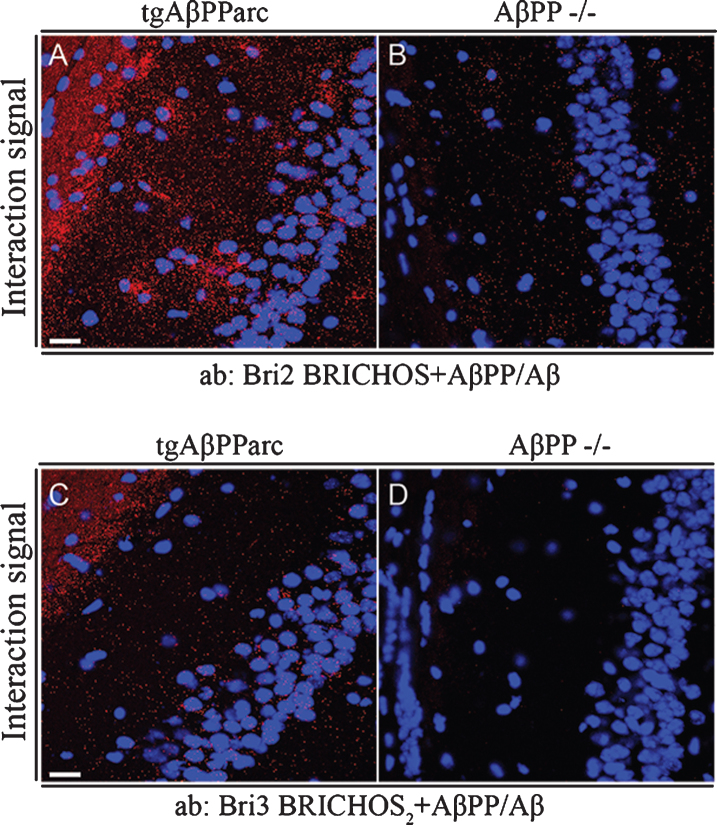
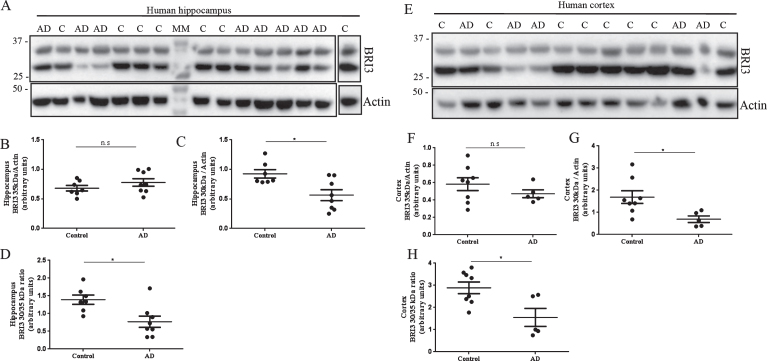
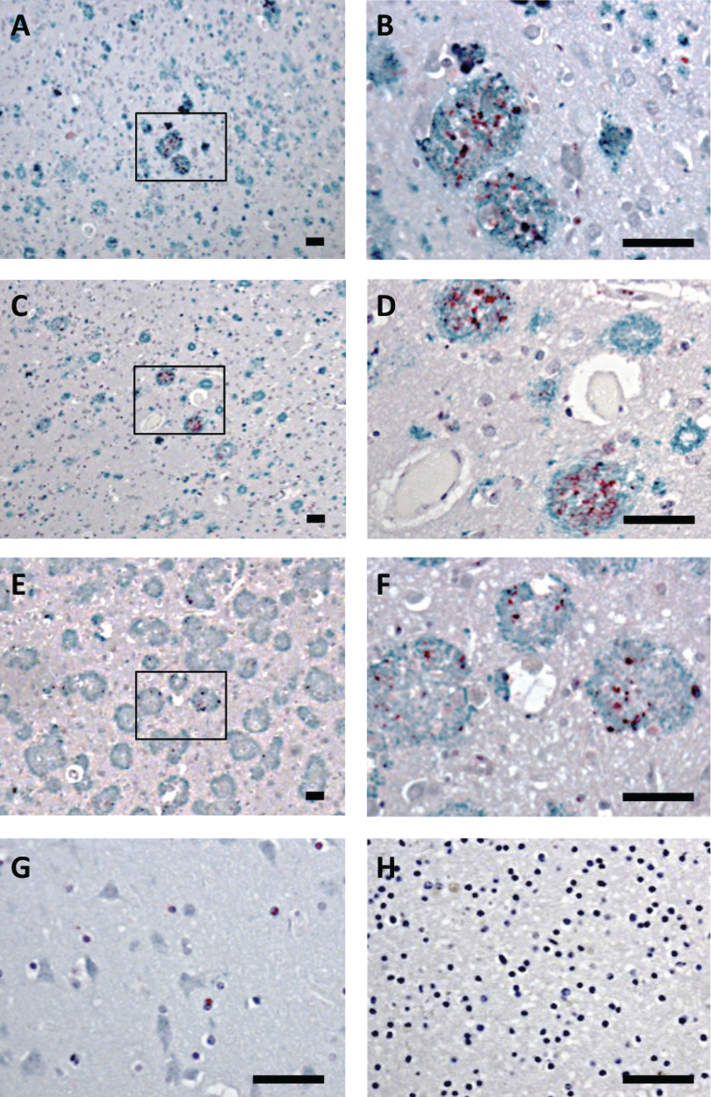
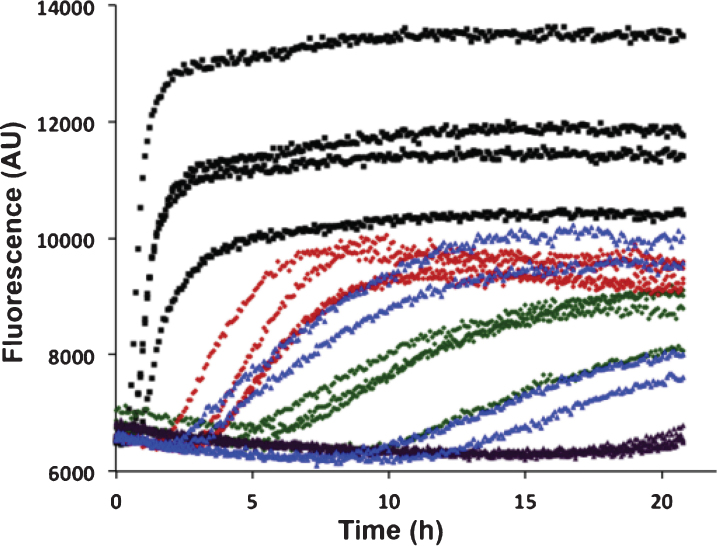
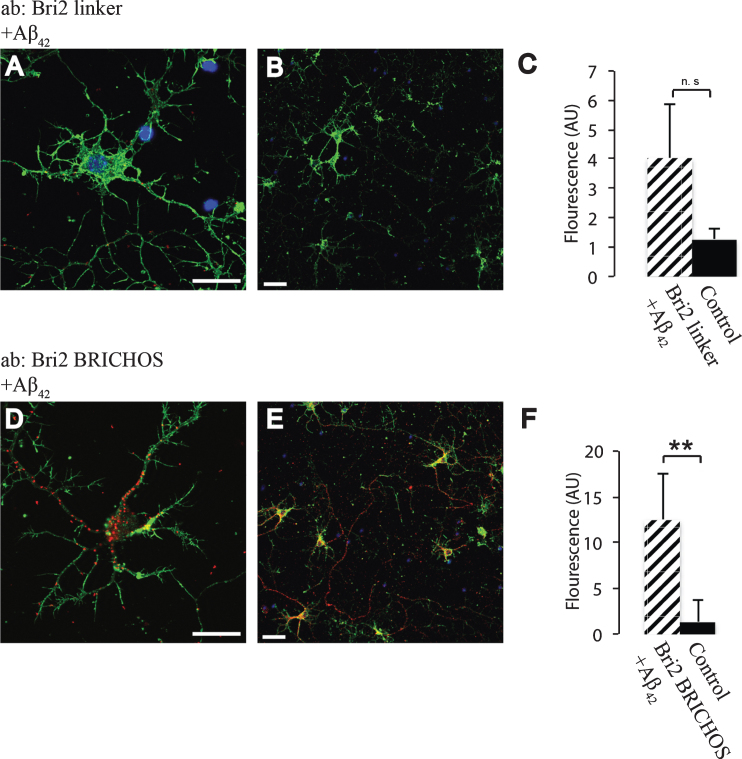
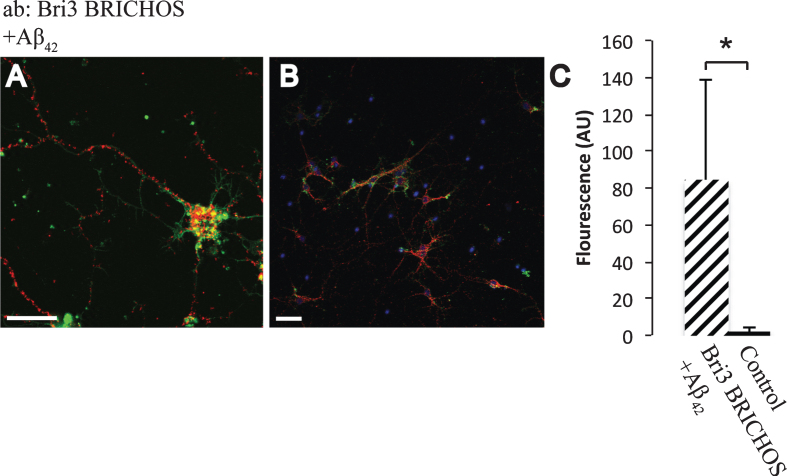
Alzheimer's disease (AD) is the most common form of dementia and there is no successful treatment available. Evidence suggests that fibril formation of the amyloid β-peptide (Aβ) is a major underlying cause of AD, and treatment strategies that reduce the toxic effects of Aβ amyloid are sought for. The BRICHOS domain is found in several proteins, including Bri2 (also called integral membrane protein 2B (ITM2B)), mutants of which are associated with amyloid and neurodegeneration, and Bri3 (ITM2C). We have used mouse hippocampal neurons and brain tissues from mice and humans and show Bri3 deposits dispersed on AD plaques. In contrast to what has been shown for Bri2, Bri3 immunoreactivity is decreased in AD brain homogenates compared to controls. Both Bri2 and Bri3 BRICHOS domains interact with Aβ and Aβ present in neurons and reduce Aβ amyloid fibril formation , but Bri3 BRICHOS is less efficient. These results indicate that Bri2 and Bri3 BRICHOS have different roles in relation to Aβ aggregation.
阿尔茨海默病(AD)是最常见的痴呆形式,目前尚无成功的治疗方法。有证据表明,淀粉样β肽(Aβ)的纤维形成是AD的主要潜在病因,因此人们正在寻找降低Aβ淀粉样毒性作用的治疗策略。BRICHOS结构域存在于多种蛋白质中,包括Bri2(也称为整合膜蛋白2B(ITM2B)),其突变体与淀粉样蛋白和神经退行性变有关,以及Bri3(ITM2C)。我们使用了小鼠海马神经元以及小鼠和人类的脑组织,发现Bri3沉积物分散在AD斑块上。与Bri2的情况相反,与对照组相比,AD脑匀浆中Bri3的免疫反应性降低。Bri2和Bri3的BRICHOS结构域都与神经元中存在的Aβ相互作用,并减少Aβ淀粉样纤维的形成,但Bri3的BRICHOS效率较低。这些结果表明,Bri2和Bri3的BRICHOS在Aβ聚集方面具有不同的作用。