Bowen Deborah J, Hay Jennifer, Meischke Hendrika, Mayer Joni A, Harris-Wai Julie, Burke Wylie
Bioethics and Humanities, University of Washington, Seattle, WA, 98195, USA.
Memorial Sloan Kettering Cancer Center, New York, NY, USA.
Cancer Causes Control. 2019 Mar;30(3):225-233. doi: 10.1007/s10552-018-1096-y. Epub 2018 Nov 27.
Melanoma can be prevented through reducing sun exposure and detected early by increasing examination of skin for lesions. First-degree relatives of melanoma cases have higher risk than the general population and, therefore, could be targets of behavioral interventions through families. We tested the effects of a family-based web delivered intervention to melanoma families on the melanoma risk reduction behaviors of first-degree relatives of melanoma cases.
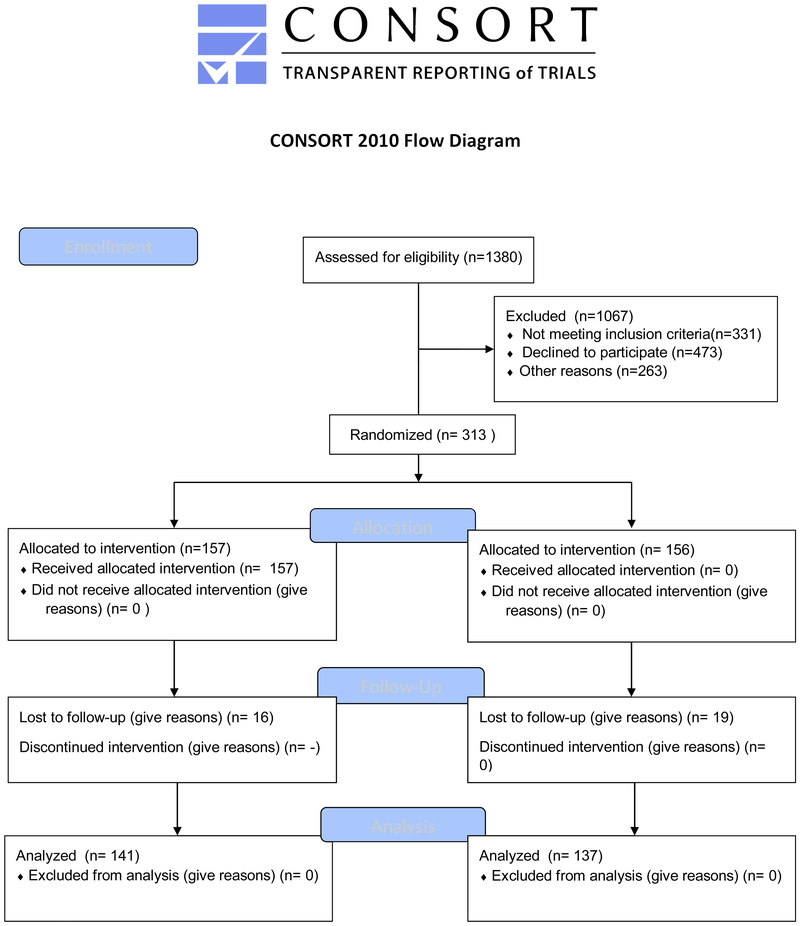
A total of 313 families that included one first-degree relative were recruited to join this randomized trial. All intervention families received access to the Suntalk website developed to promote family communication and behavioral risk reduction among families of melanoma survivors.
First degree relatives in the intervention arm significantly increased their yearly performance of both skin self examination and thorough provider examination from baseline to 12-month follow-up while the control FDRs decreased their yearly performance of both of those behaviors (p's = 0.006 and 0.005, respectively). Several sun protection behaviors increased significantly in FDRs in the intervention arm but not the control arm, including wearing a covering on the head (p = 0.005), staying in available shade (p = 0.008), and avoiding sun exposure during peak hours (p = 0.010). Some of these changes were mediated by perceptions of risk and other process variables.
A web-based intervention can reduce risk of melanoma through changes in relevant behaviors among first-degree relatives of melanoma survivors. Future research should identify methods for making this type of intervention accessible to more families and for broadening the reach to other types of cancer families.
This program can be provided to melanoma families to improve their sun protection and screening behaviors, at the point of diagnosis.
黑色素瘤可通过减少日晒来预防,并通过增加对皮肤病变的检查来早期发现。黑色素瘤患者的一级亲属比一般人群具有更高的风险,因此,可成为通过家庭进行行为干预的目标人群。我们测试了一项基于网络的针对黑色素瘤患者家庭的干预措施对黑色素瘤患者一级亲属降低黑色素瘤风险行为的影响。
总共招募了313个包含一名一级亲属的家庭参与这项随机试验。所有干预组家庭都可访问为促进黑色素瘤幸存者家庭间的沟通和降低行为风险而开发的Suntalk网站。
从基线到12个月随访期间,干预组的一级亲属每年进行皮肤自我检查和医生全面检查的次数显著增加,而对照组的一级亲属这两种行为的年度执行次数减少(p值分别为0.006和0.005)。干预组的一级亲属中几种防晒行为显著增加,而对照组没有,包括头部遮盖(p = 0.005)、待在有遮挡的阴凉处(p = 0.008)以及避免在高峰时段日晒(p = 0.010)。其中一些变化是由风险认知和其他过程变量介导的。
基于网络的干预措施可通过改变黑色素瘤幸存者一级亲属的相关行为来降低黑色素瘤风险。未来的研究应确定使更多家庭能够获得此类干预措施的方法,并将其推广到其他类型的癌症家庭。
该项目可在诊断时提供给黑色素瘤患者家庭,以改善他们的防晒和筛查行为。