Department of Archaeology, Max Planck Institute for the Science of Human History, Jena, Germany.
Research Laboratory for Archaeology and the History of Art, School of Archaeology, University of Oxford, 36 Beaumont Street, Oxford, OX1 2PG, UK.
Sci Rep. 2018 Nov 29;8(1):17165. doi: 10.1038/s41598-018-35242-5.
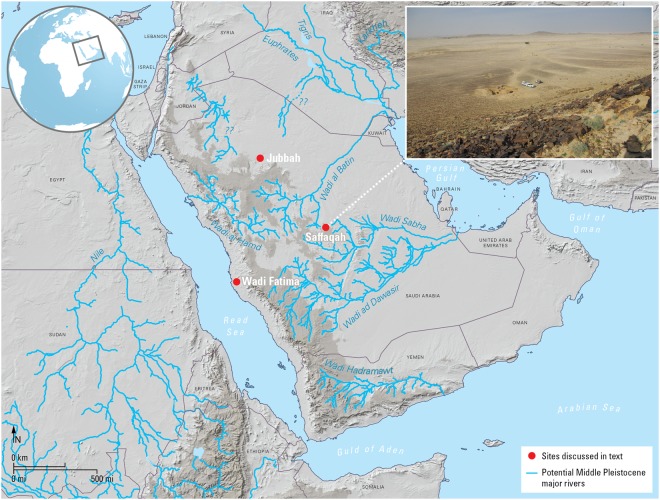
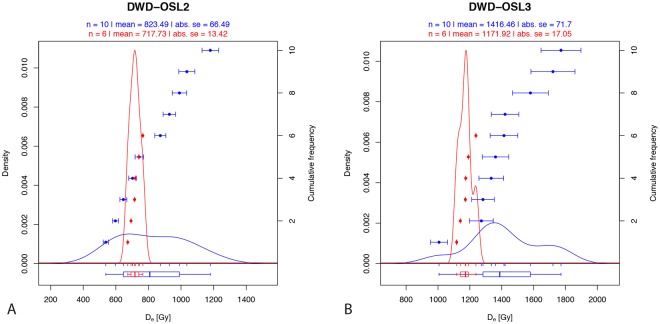
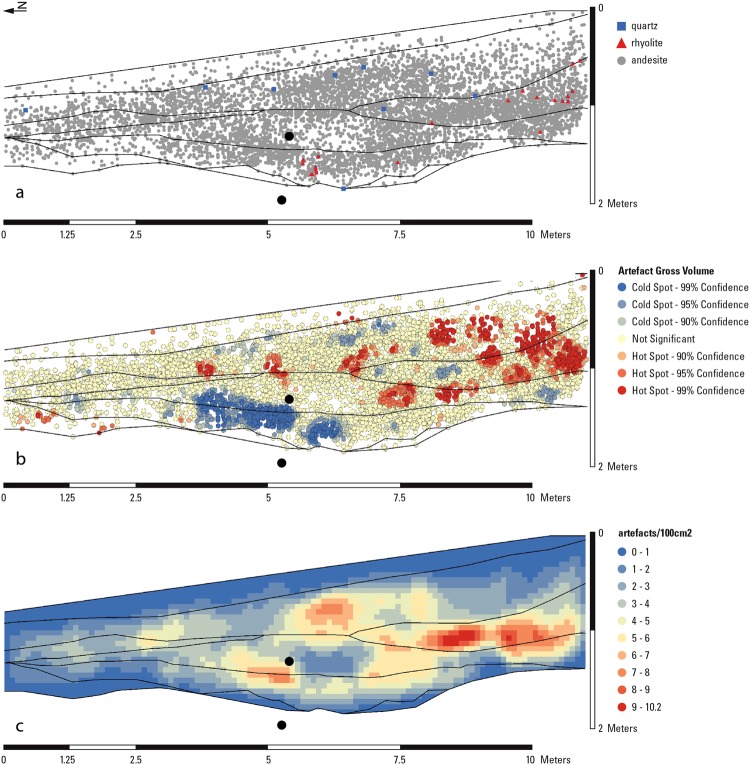
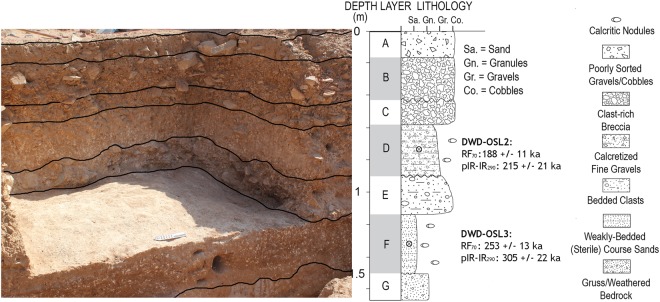
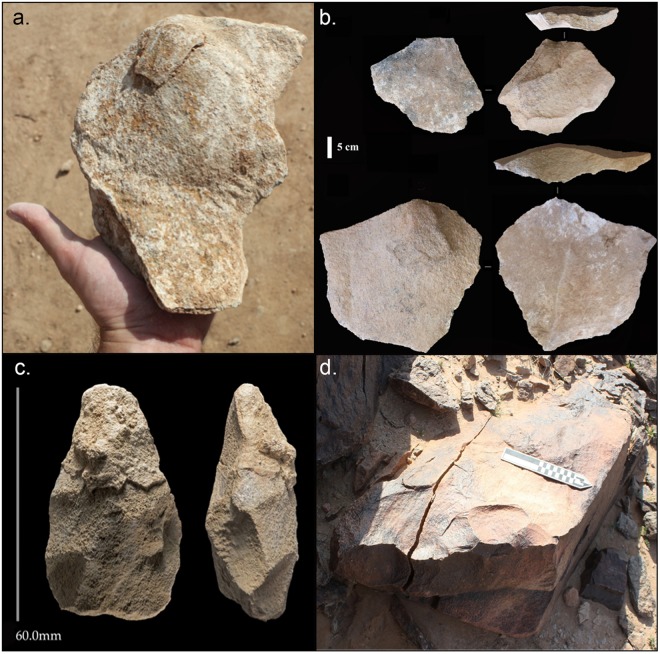
The Acheulean is the longest lasting cultural-technological tradition in human evolutionary history. However, considerable gaps remain in understanding the chronology and geographical distribution of Acheulean hominins. We present the first chronometrically dated Acheulean site from the Arabian Peninsula, a vast and poorly known region that forms more than half of Southwest Asia. Results show that Acheulean hominin occupation expanded along hydrological networks into the heart of Arabia from Marine Isotope Stage (MIS) 7 until at least ~190 ka ̶ the youngest documented Acheulean in Southwest Asia. The site of Saffaqah features Acheulean technology, characterized by large flakes, handaxes and cleavers, similar to Acheulean assemblages in Africa. These findings reveal a climatically-mediated later Acheulean expansion into a poorly known region, amplifying the documented diversity of Middle Pleistocene hominin behaviour across the Old World and elaborating the terminal archaic landscape encountered by our species as they dispersed out of Africa.
阿舍利文化技术传统是人类进化历史上持续时间最长的文化技术传统。然而,人们对阿舍利人类的年代和地理分布仍存在很大的认识差距。我们首次提供了来自阿拉伯半岛的年代测定的阿舍利遗址,该地区广袤且鲜为人知,占西南亚的一半以上。结果表明,从海洋同位素阶段 7 开始,直到至少 19 万年前,阿舍利人类的居住范围沿着水文网络扩展到阿拉伯半岛的中心,这是西南亚有记录以来最年轻的阿舍利遗址。萨法卡遗址具有阿舍利技术特征,其特征是大型薄片、手斧和切刀,与非洲的阿舍利组合相似。这些发现揭示了气候介导的阿舍利文化技术在一个鲜为人知的地区的后期扩展,扩大了中更新世人类行为在旧大陆的记录多样性,并详细阐述了我们的物种在离开非洲时所遇到的晚期原始景观。