College of Economics, Jinan University, Guangzhou, China.
The Second Clinical Medical College, Guangzhou University of Chinese Medicine, Guangzhou, China.
BMC Med Inform Decis Mak. 2018 Dec 7;18(Suppl 5):117. doi: 10.1186/s12911-018-0692-9.
The application of artificial intelligence techniques for processing electronic health records data plays increasingly significant role in advancing clinical decision support. This study conducts a quantitative comparison on the research of utilizing artificial intelligence on electronic health records between the USA and China to discovery their research similarities and differences.
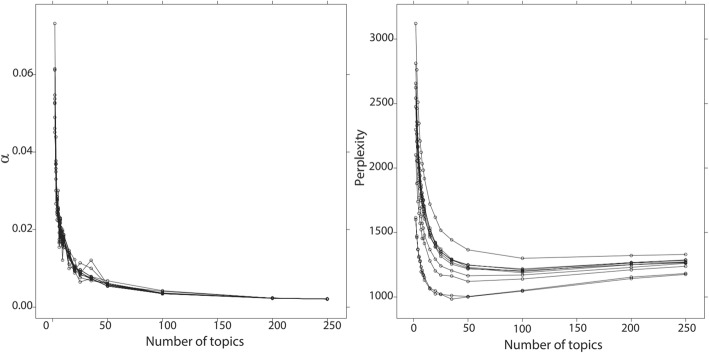
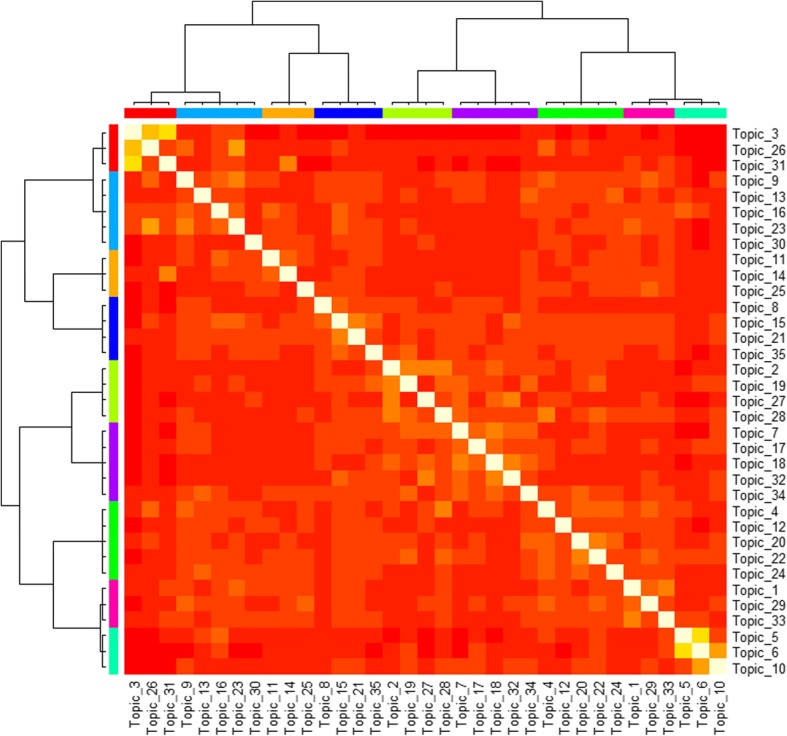
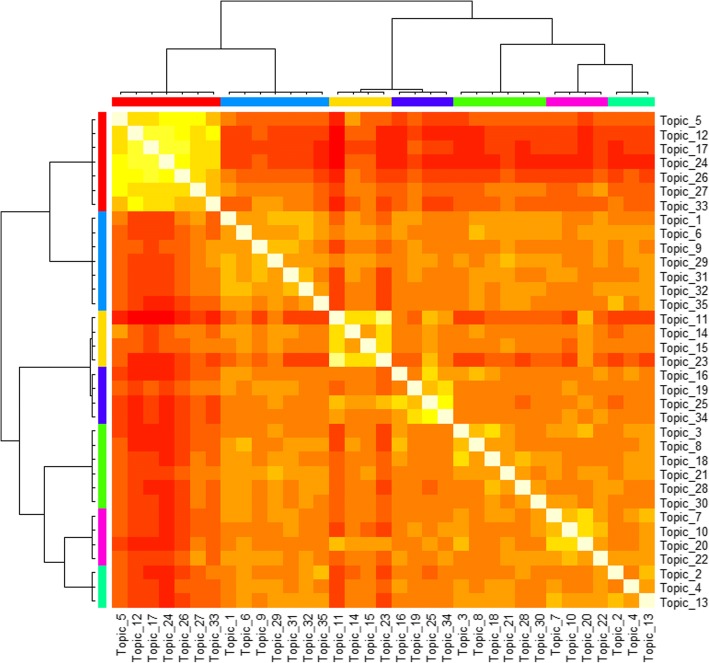
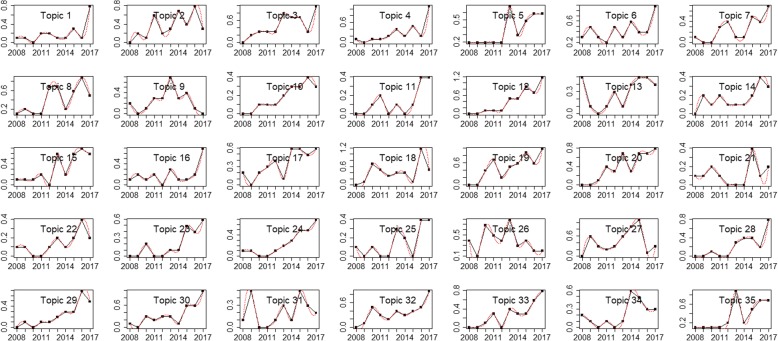
Publications from both Web of Science and PubMed are retrieved to explore the research status and academic performances of the two countries quantitatively. Bibliometrics, geographic visualization, collaboration degree calculation, social network analysis, latent dirichlet allocation, and affinity propagation clustering are applied to analyze research quantity, collaboration relations, and hot research topics.
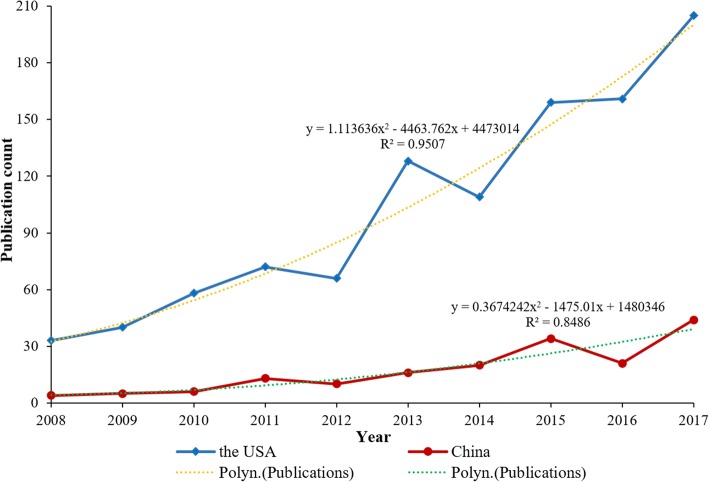
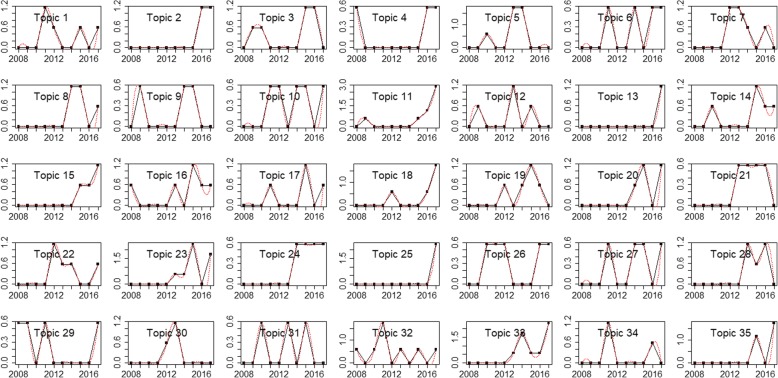
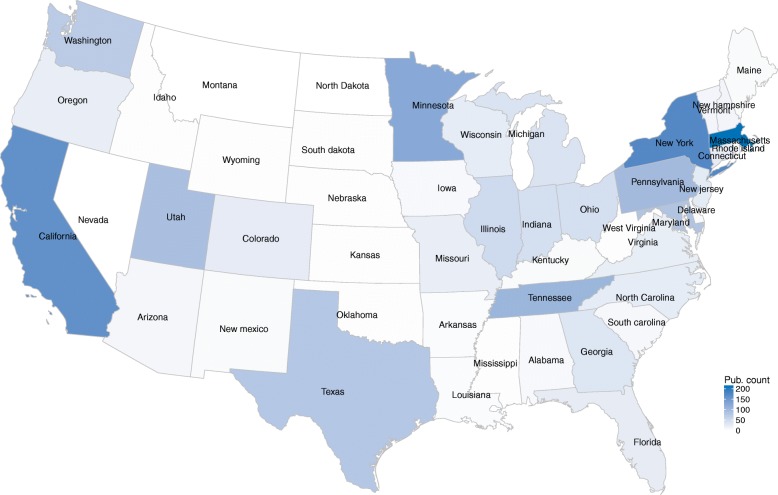
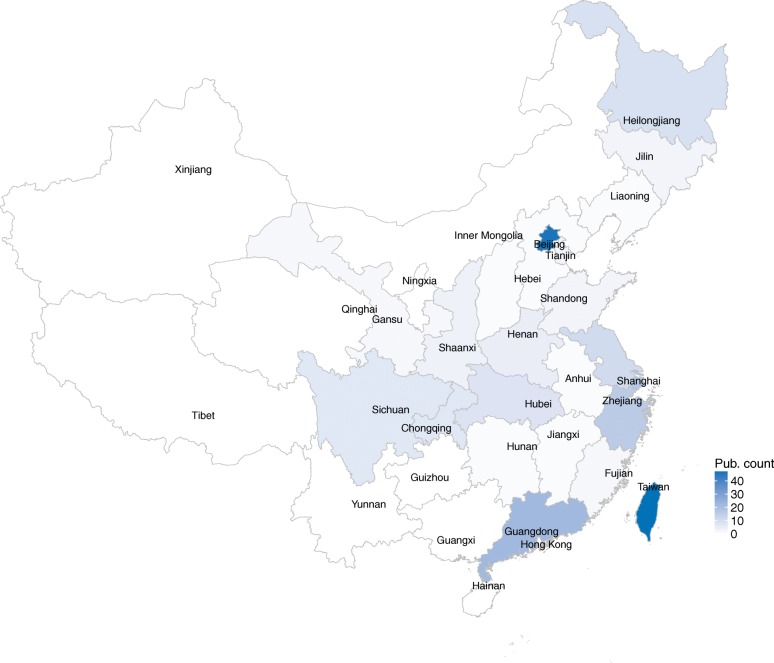
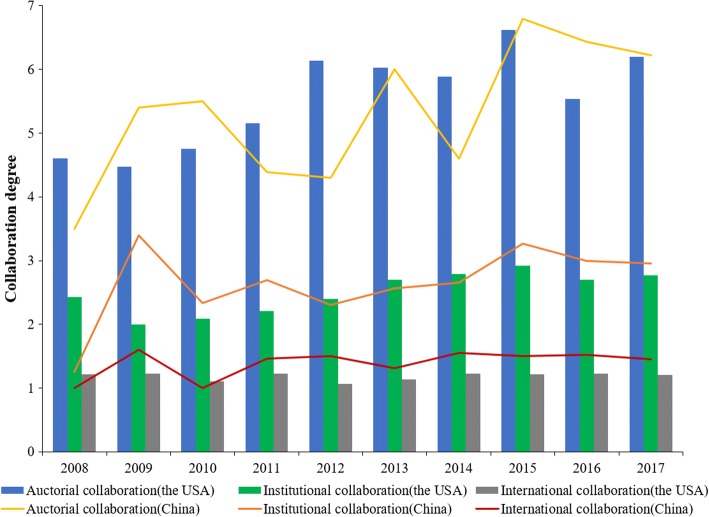
There are 1031 publications from the USA and 173 publications from China during 2008-2017 period. The annual numbers of publications from the USA and China increase polynomially. JAMIA with 135 publications and JBI with 13 publications are the top prolific journals for the USA and China, respectively. Harvard University with 101 publications and Zhejiang University with 12 publications are the top prolific affiliations for the USA and China, respectively. Massachusetts is the most prolific region with 211 publications for the USA, while for China, Taiwan is the top 1 with 47 publications. China has relatively higher institutional and international collaborations. Nine main research areas for the USA are identified, differentiating 7 for China.
There is a steadily growing presence and increasing visibility of utilizing artificial intelligence on electronic health records for the USA and China over the years. The results of the study demonstrate the research similarities and differences, as well as strengths and weaknesses of the two countries.
人工智能技术在电子健康记录数据处理中的应用在推进临床决策支持方面发挥着越来越重要的作用。本研究对中美两国利用人工智能进行电子健康记录的研究进行了定量比较,以发现它们的研究异同。
从 Web of Science 和 PubMed 中检索文献,定量探讨两国的研究现状和学术表现。采用文献计量学、地理可视化、合作度计算、社会网络分析、潜在狄利克雷分配和亲和传播聚类等方法分析研究数量、合作关系和热点研究主题。
2008-2017 年期间,美国有 1031 篇论文,中国有 173 篇论文。美国和中国的论文年发表量呈多项式增长。美国发文量最多的期刊是 JAMIA(135 篇),中国是 JBI(13 篇)。美国发文量最多的机构是哈佛大学(101 篇),中国是浙江大学(12 篇)。美国发文量最多的地区是马萨诸塞州(211 篇),中国是台湾(47 篇)。中国的机构和国际合作相对较多。美国有 9 个主要的研究领域,中国有 7 个。
多年来,美国和中国在利用人工智能进行电子健康记录方面的研究不断增加,可见度也不断提高。研究结果表明了两国研究的异同以及各自的优势和劣势。