Department of Management, University of Turin, Turin, Italy.
Ospedale Pediatrico Bambino Gesù, Rome, Italy.
BMC Med Inform Decis Mak. 2021 Apr 10;21(1):125. doi: 10.1186/s12911-021-01488-9.
BACKGROUND/INTRODUCTION: Artificial intelligence (AI) in the healthcare sector is receiving attention from researchers and health professionals. Few previous studies have investigated this topic from a multi-disciplinary perspective, including accounting, business and management, decision sciences and health professions.
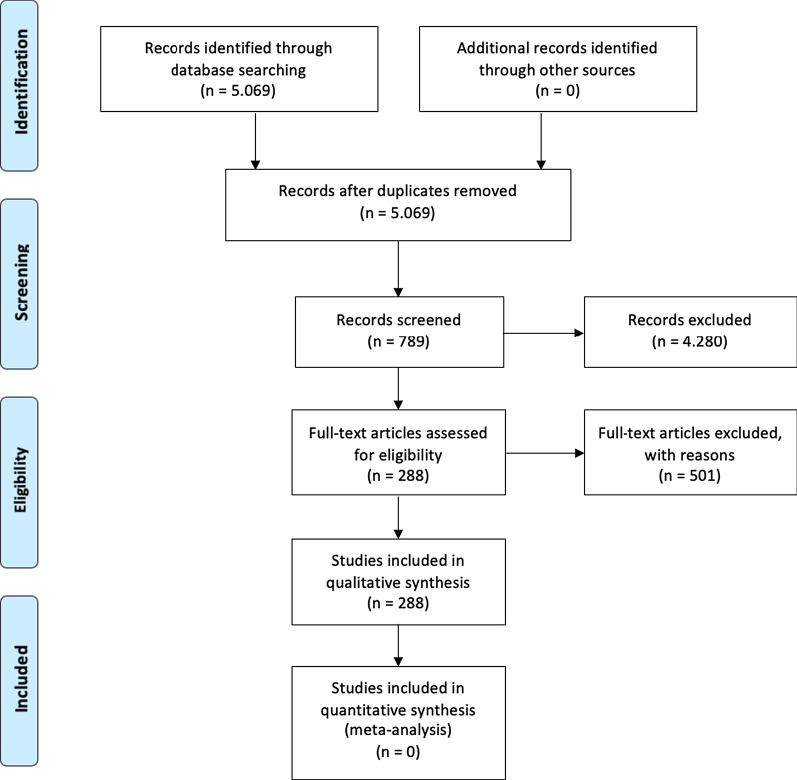
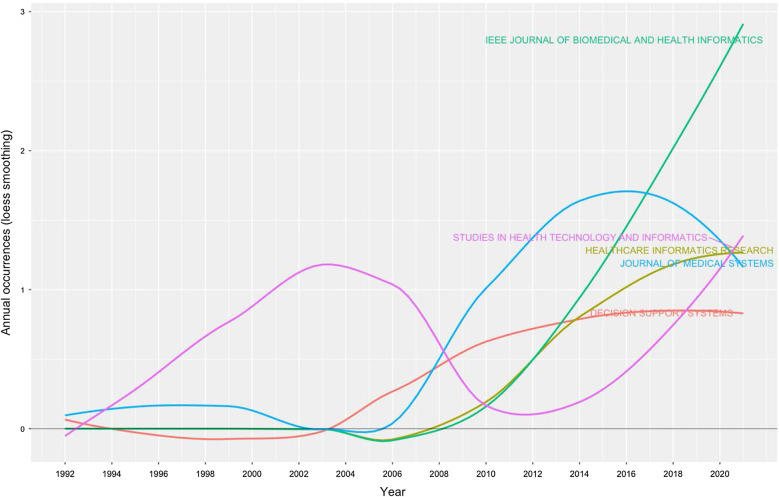
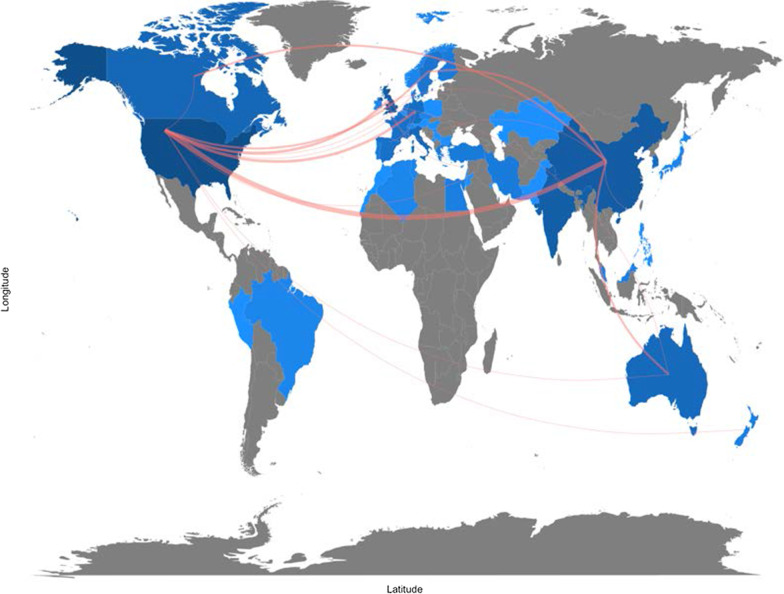
The structured literature review with its reliable and replicable research protocol allowed the researchers to extract 288 peer-reviewed papers from Scopus. The authors used qualitative and quantitative variables to analyse authors, journals, keywords, and collaboration networks among researchers. Additionally, the paper benefited from the Bibliometrix R software package.
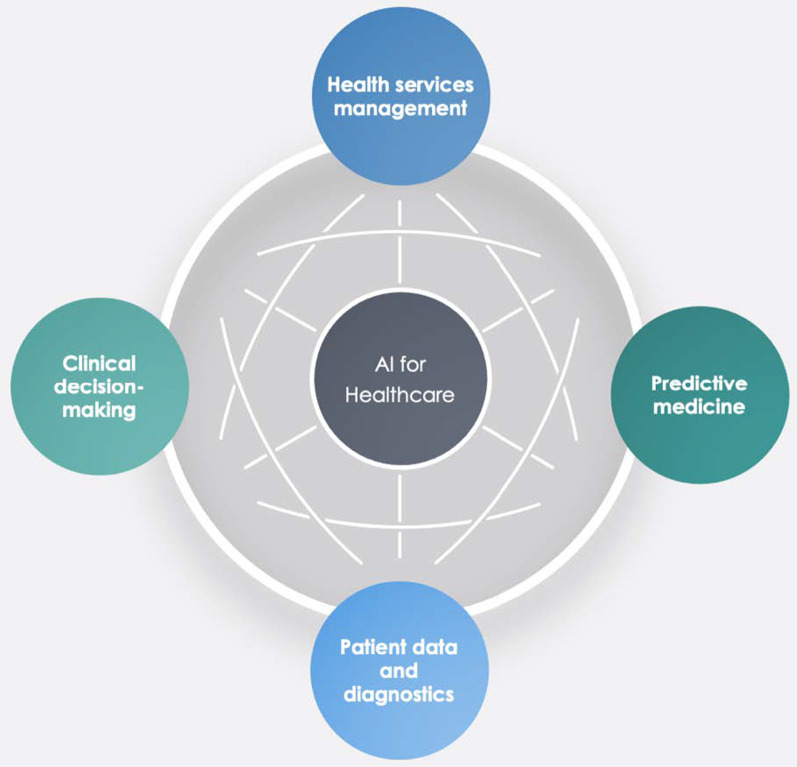
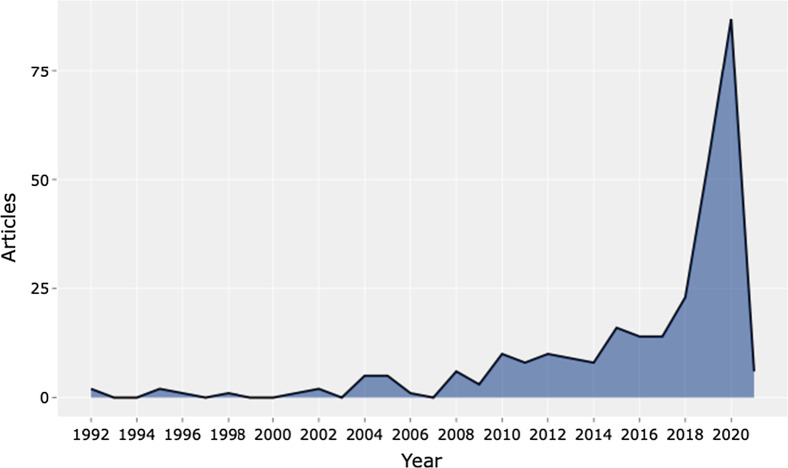
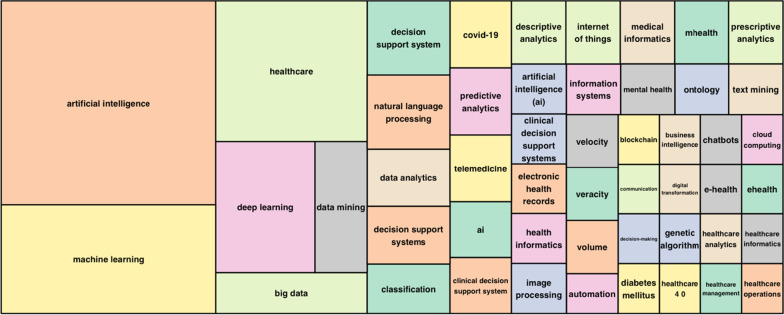
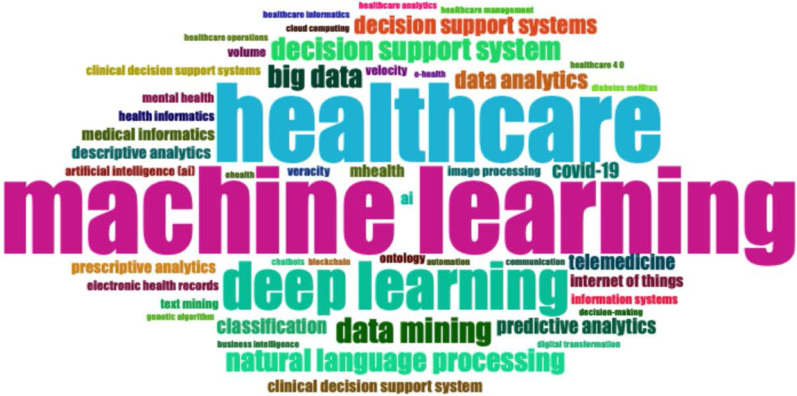
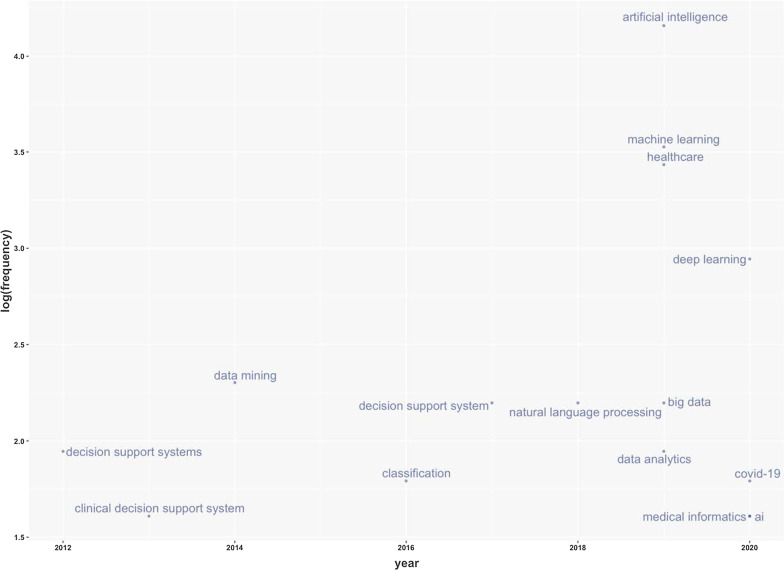
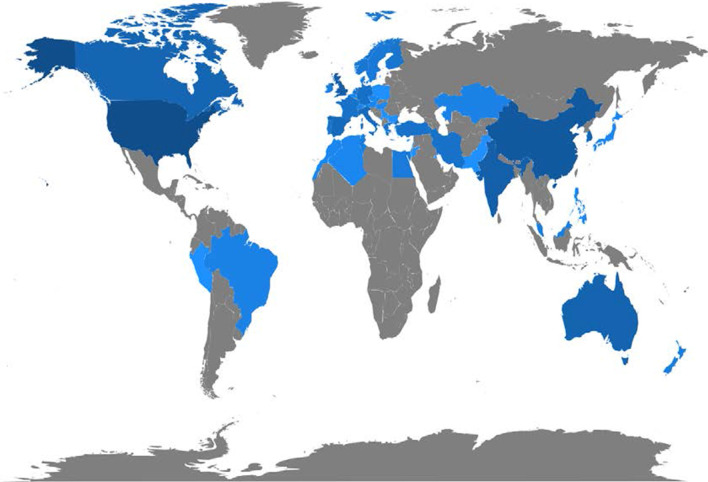
The investigation showed that the literature in this field is emerging. It focuses on health services management, predictive medicine, patient data and diagnostics, and clinical decision-making. The United States, China, and the United Kingdom contributed the highest number of studies. Keyword analysis revealed that AI can support physicians in making a diagnosis, predicting the spread of diseases and customising treatment paths.
The literature reveals several AI applications for health services and a stream of research that has not fully been covered. For instance, AI projects require skills and data quality awareness for data-intensive analysis and knowledge-based management. Insights can help researchers and health professionals understand and address future research on AI in the healthcare field.
背景/引言:人工智能(AI)在医疗保健领域受到研究人员和医疗专业人员的关注。以前很少有研究从会计、商业和管理、决策科学和医疗保健专业等多学科角度探讨这个主题。
本研究采用结构化文献综述,其可靠且可重复的研究方案使研究人员能够从 Scopus 中提取 288 篇同行评审论文。作者使用定性和定量变量来分析作者、期刊、关键词以及研究人员之间的合作网络。此外,本文还受益于 Bibliometrix R 软件包。
调查显示,该领域的文献正在兴起。它侧重于医疗服务管理、预测医学、患者数据和诊断以及临床决策。美国、中国和英国发表的研究最多。关键词分析表明,人工智能可以帮助医生做出诊断、预测疾病的传播并定制治疗路径。
文献揭示了人工智能在医疗服务中的多种应用以及尚未充分涵盖的研究趋势。例如,人工智能项目需要具备数据密集型分析和基于知识的管理所需的技能和数据质量意识。这些见解可以帮助研究人员和医疗专业人员了解和解决未来医疗保健领域人工智能研究的问题。