School of Biosciences, College of Life and Environmental Sciences, University of Birmingham, Edgbaston, Birmingham B15 2TT, UK.
School of Life Science, CSELS, Coventry University, Coventry CV1 5FB, UK.
Nucleic Acids Res. 2019 Feb 20;47(3):1389-1403. doi: 10.1093/nar/gky1254.
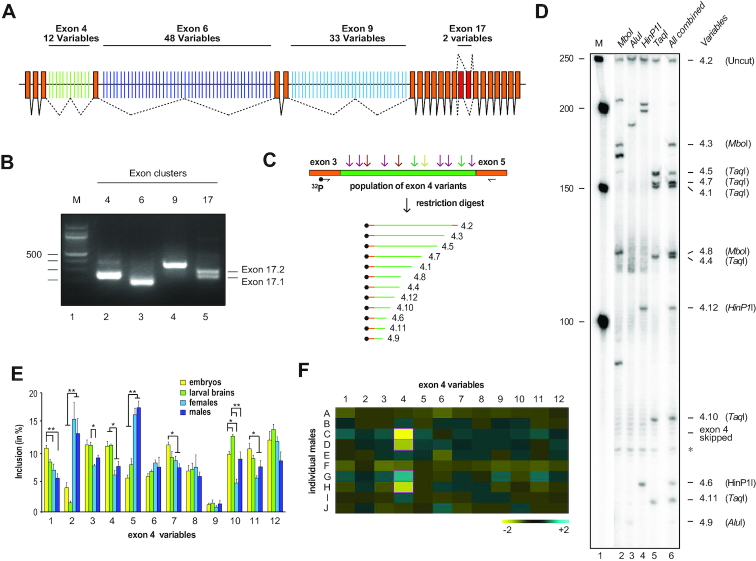
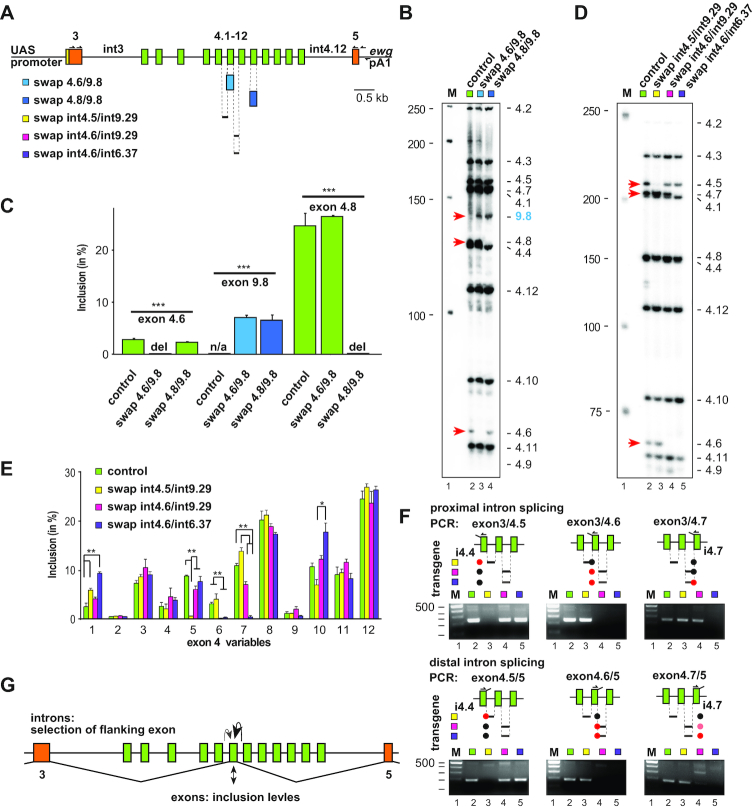
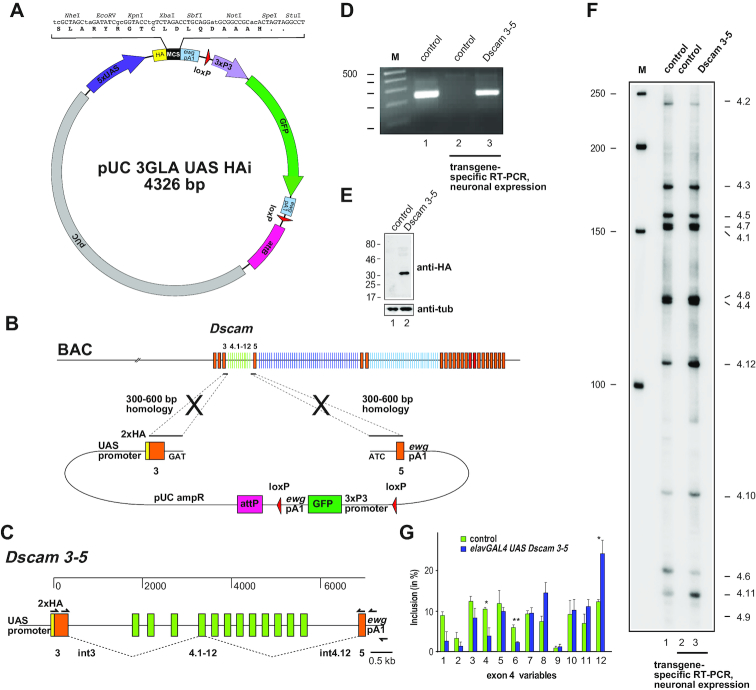
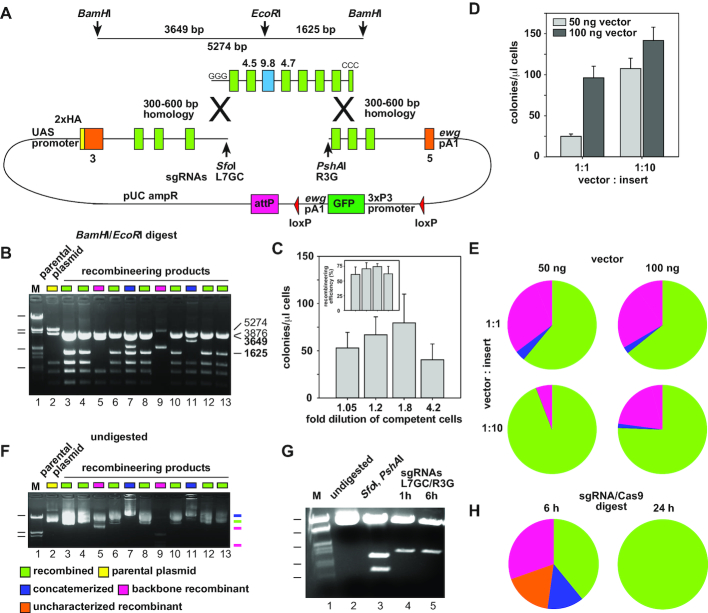
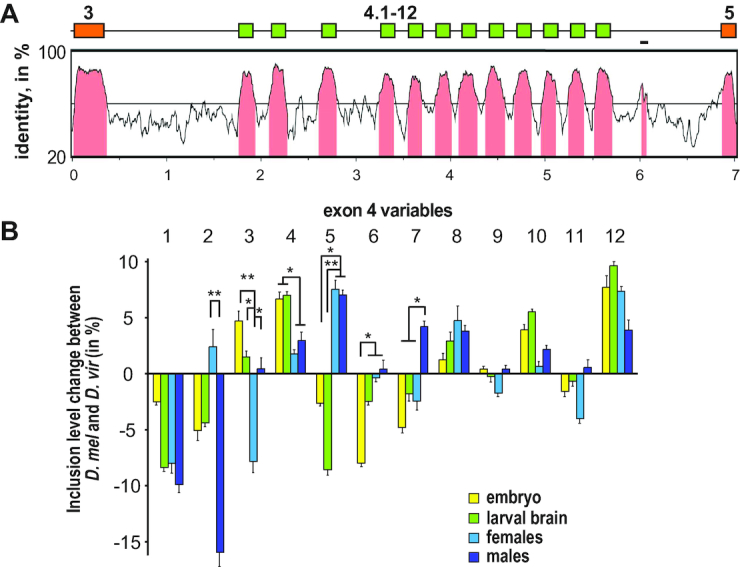
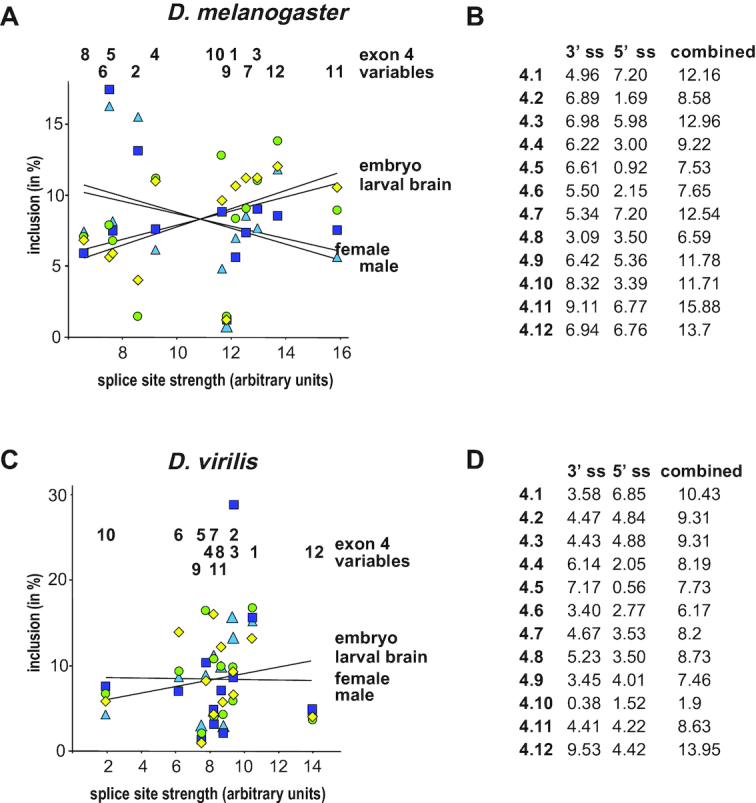
Alternative splicing is a key feature of human genes, yet studying its regulation is often complicated by large introns. The Down Syndrome Cell Adhesion Molecule (Dscam) gene from Drosophila is one of the most complex genes generating vast molecular diversity by mutually exclusive alternative splicing. To resolve how alternative splicing in Dscam is regulated, we first developed plasmid-based UAS reporter genes for the Dscam variable exon 4 cluster and show that its alternative splicing is recapitulated by GAL4-mediated expression in neurons. We then developed gap-repair recombineering to very efficiently manipulate these large reporter plasmids in Escherichia coli using restriction enzymes or sgRNA/Cas9 DNA scission to capitalize on the many benefits of plasmids in phiC31 integrase-mediated transgenesis. Using these novel tools, we show that inclusion of Dscam exon 4 variables differs little in development and individual flies, and is robustly determined by sequences harbored in variable exons. We further show that introns drive selection of both proximal and distal variable exons. Since exon 4 cluster introns lack conserved sequences that could mediate robust long-range base-pairing to bring exons into proximity for splicing, our data argue for a central role of introns in mutually exclusive alternative splicing of Dscam exon 4 cluster.
选择性剪接是人类基因的一个重要特征,但研究其调控机制通常会受到大片段内含子的影响。果蝇的唐氏综合征细胞黏附分子(Dscam)基因是通过相互排斥的选择性剪接产生巨大分子多样性的最复杂基因之一。为了解 Dscam 的选择性剪接是如何调控的,我们首先开发了基于质粒的 UAS 报告基因,用于 Dscam 可变外显子 4 簇,并证明其选择性剪接可以通过 GAL4 在神经元中的表达来重现。然后,我们开发了缺口修复重组酶技术,使用限制酶或 sgRNA/Cas9 DNA 断裂,非常有效地在大肠杆菌中操纵这些大型报告质粒,从而利用质粒在 phiC31 整合酶介导的转基因中的许多优势。利用这些新工具,我们表明 Dscam 外显子 4 变量的包含在发育和个体苍蝇中差异很小,并且由可变外显子中携带的序列强烈决定。我们进一步表明,内含子驱动近端和远端可变外显子的选择。由于外显子 4 簇内含子缺乏可以介导长距离碱基配对的保守序列,从而使外显子接近进行剪接,因此我们的数据表明内含子在外显子 4 簇的 Dscam 相互排斥的选择性剪接中起核心作用。