Universidade Estadual Paulista (UNESP), Instituto de Biociências, Centro de Estudos de Insetos Sociais, Rio Claro, São Paulo, Brazil.
School of Biosciences, College of Life and Environmental Sciences, University of Birmingham, Edgbaston, Birmingham, B15 2TT, United Kingdom.
Sci Rep. 2019 Dec 16;9(1):19196. doi: 10.1038/s41598-019-55534-8.
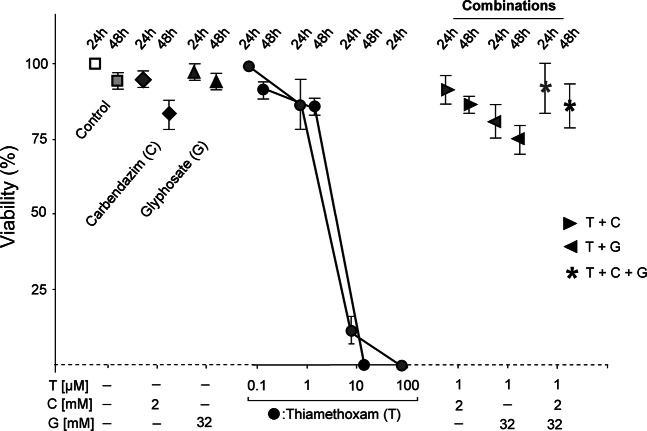
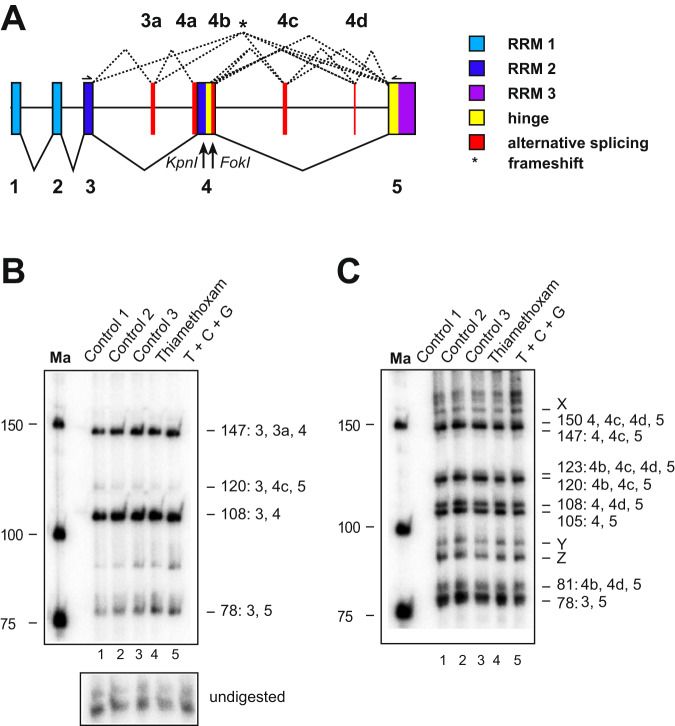
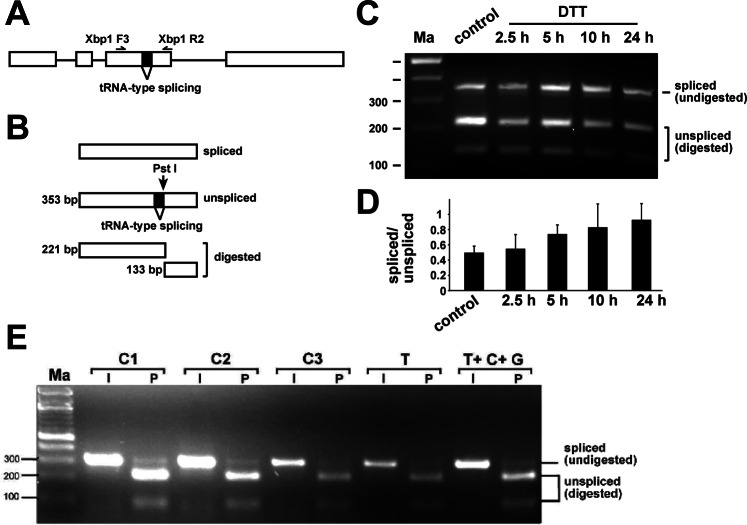
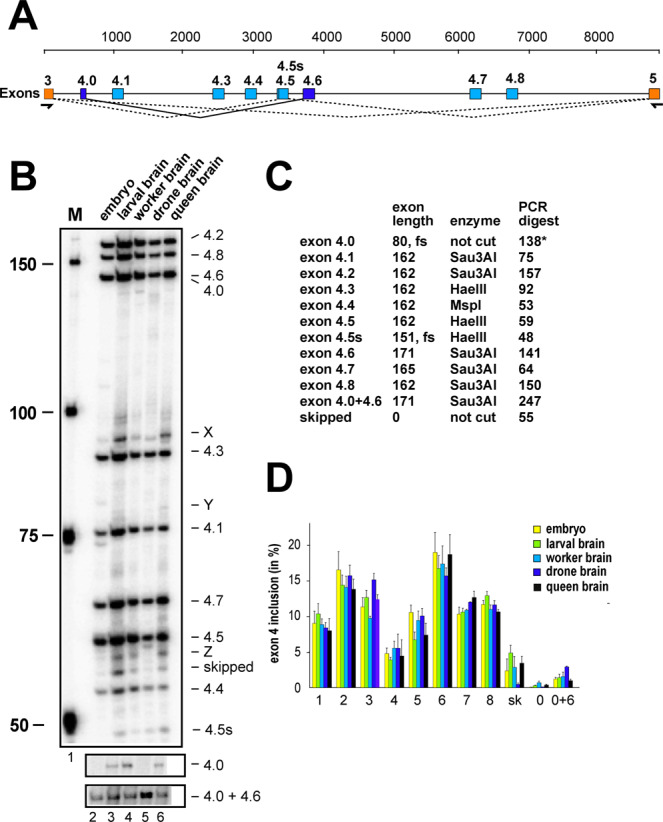
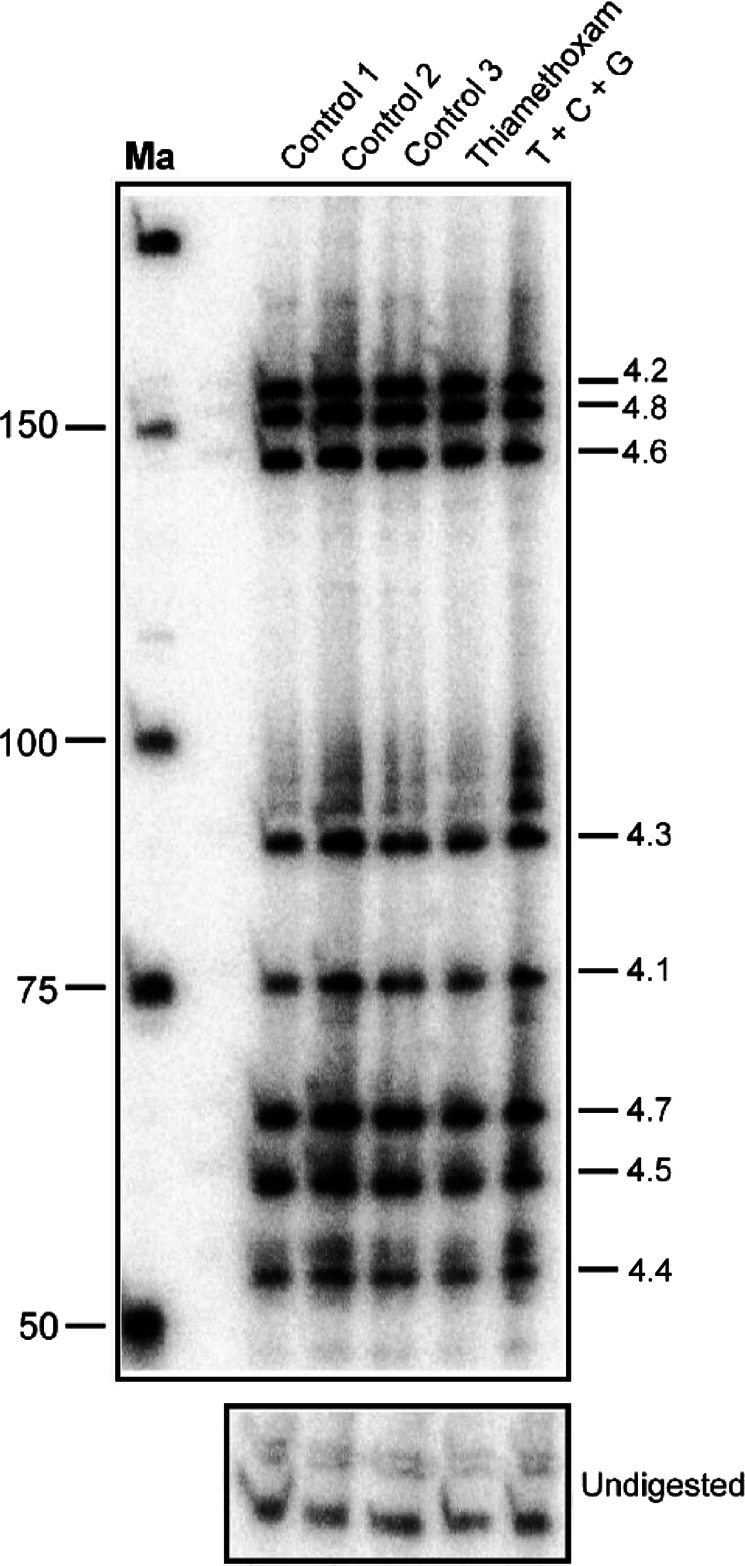
Securing food supply for a growing population is a major challenge and heavily relies on the use of agrochemicals to maximize crop yield. It is increasingly recognized, that some neonicotinoid insecticides have a negative impact on non-target organisms, including important pollinators such as the European honeybee Apis mellifera. Toxicity of neonicotinoids may be enhanced through simultaneous exposure with additional pesticides, which could help explain, in part, the global decline of honeybee colonies. Here we examined whether exposure effects of the neonicotinoid thiamethoxam on bee viability are enhanced by the commonly used fungicide carbendazim and the herbicide glyphosate. We also analysed alternative splicing changes upon pesticide exposure in the honeybee. In particular, we examined transcripts of three genes: (i) the stress sensor gene X box binding protein-1 (Xbp1), (ii) the Down Syndrome Cell Adhesion Molecule (Dscam) gene and iii) the embryonic lethal/abnormal visual system (elav) gene, which are important for neuronal function. Our results showed that acute thiamethoxam exposure is not enhanced by carbendazim, nor glyphosate. Toxicity of the compounds did not trigger stress-induced, alternative splicing in the analysed mRNAs, thereby leaving dormant a cellular response pathway to these man-made environmental perturbations.
确保不断增长的人口的食物供应是一项重大挑战,严重依赖于使用农用化学品来最大限度地提高作物产量。人们越来越认识到,一些新烟碱类杀虫剂对非目标生物有负面影响,包括欧洲蜜蜂 Apis mellifera 等重要的传粉媒介。新烟碱类杀虫剂的毒性可能会因同时接触其他农药而增强,这在一定程度上可以解释全球蜜蜂种群的减少。在这里,我们研究了新烟碱类杀虫剂噻虫嗪暴露是否会因常用杀菌剂多菌灵和除草剂草甘膦而增强对蜜蜂生存能力的影响。我们还分析了蜜蜂在接触农药后的替代剪接变化。具体来说,我们研究了三个基因的转录本:(i)应激传感器基因 X 框结合蛋白-1(Xbp1),(ii)唐氏综合征细胞黏附分子(Dscam)基因和(iii)胚胎致死/异常视觉系统(elav)基因,这些基因对神经元功能很重要。我们的结果表明,急性噻虫嗪暴露不会因多菌灵或草甘膦而增强。这些化合物的毒性没有引发分析的 mRNA 中的应激诱导的替代剪接,从而使细胞对这些人为环境干扰的反应途径处于休眠状态。