
益智薄荷提取物对反应敏捷性的功效:一项随机、双盲、安慰剂对照、平行试验。
Efficacy of a nootropic spearmint extract on reactive agility: a randomized, double-blind, placebo-controlled, parallel trial.
机构信息
MusclePharm Sports Science Institute, Denver, CO, USA.
Mercy Hospital, Springfield, MO, USA.
出版信息
J Int Soc Sports Nutr. 2018 Dec 12;15(1):58. doi: 10.1186/s12970-018-0264-5.
BACKGROUND
Proprietary spearmint extract (PSE) containing a minimum 14.5% rosmarinic acid and 24% total phenolic content, has evinced positive effects on cognition in individuals aged 50-70 with memory impairment after chronic supplementation. To address the growing interest in connecting mental and physical performance, the present study examined whether the nootropic effects of PSE translate into changes in reactive agility following daily supplementation with PSE.
METHODS
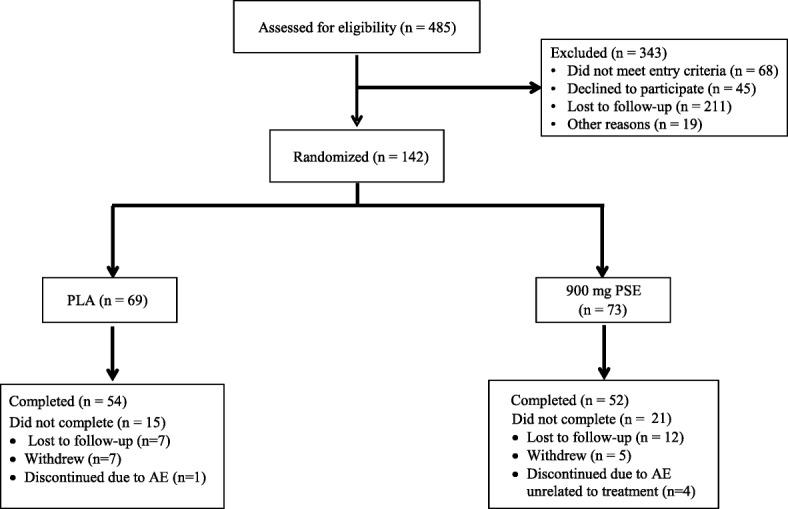
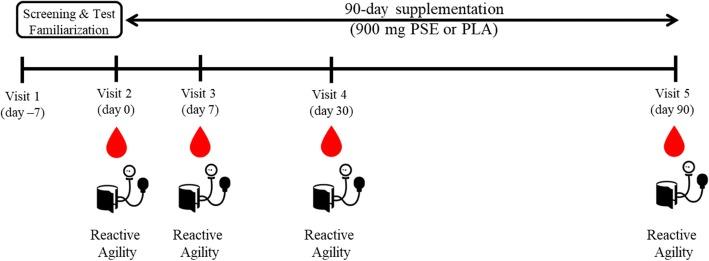
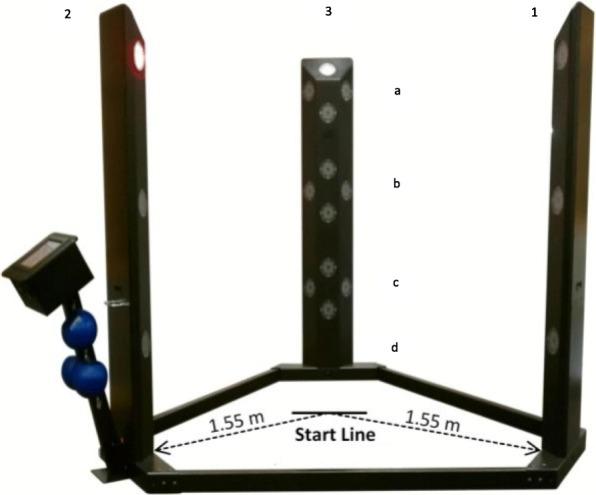
Utilizing a randomized, double-blind, placebo-controlled, parallel design, healthy, recreationally-active men and women (n = 142) received 900 mg of PSE or placebo (PLA) daily for 90 days. Reactive agility, our primary outcome, was determined by measuring the number of hits and average reaction time (ART) on a Makoto Arena II, a 360 audio-visual device that measures stationary, lateral, and multi-directional active choice reaction performance. Safety was evaluated using complete blood count, comprehensive metabolic panel, and blood lipids. Measurements were evaluated on days 7, 30, and 90 of supplementation.
RESULTS
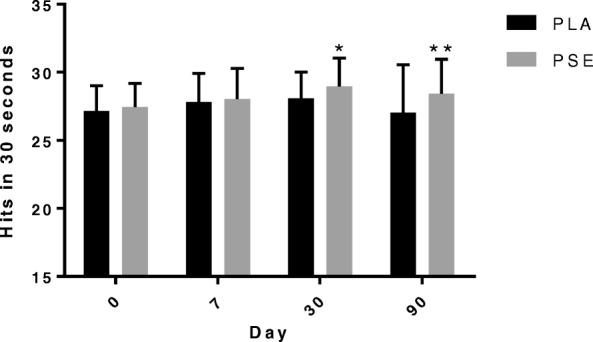
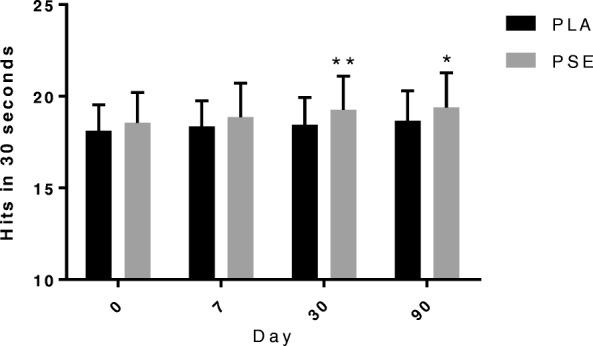
An overall treatment effect (p = 0.019) was evident for increased hits with PSE on the stationary test with footplates, with between group differences at Day 30 (PSE vs. PLA: 28.96 ± 2.08 vs. 28.09 ± 1.92 hits; p = 0.040) and Day 90 (PSE vs. PLA: 28.42 ± 2.54 vs. 27.02 ± 3.55 hits; p = 0.002). On the same task, ART improved (treatment effect, p = 0.036) with PSE at Day 7 (PSE vs. PLA: 0.5896 ± 0.060 vs. 0.6141 ± 0.073 s; p = 0.049) and Day 30 (PSE vs. PLA: 0.5811 ± 0.068 vs. 0.6033 ± 0.055 s; p = 0.049). PSE also significantly increased hits (treatment effect, p = 0.020) at Day 30 (PSE vs. PLA: 19.25 ± 1.84 vs. 18.45 ± 1.48 hits; p = 0.007) and Day 90 (PSE vs. PLA: 19.39 ± 1.90 vs. 18.66 ± 1.64 hits; p = 0.026) for the multi-directional test with footplates. Significant differences were not observed in the remaining Makoto tests. PSE was well tolerated as evidenced by no effects observed in the blood safety panels.
CONCLUSIONS
The findings of the current study demonstrate that consumption of 900 mg of PSE improved specific measures of reactive agility in a young, active population.
TRIAL REGISTRATION
clinicaltrials.gov, NCT02518165 . Registered August 7, 2015 - retrospectively registered.
背景
含有最低 14.5%迷迭香酸和 24%总酚含量的专利留兰香提取物(PSE),在慢性补充后,对 50-70 岁有记忆障碍的个体的认知能力表现出积极影响。为了满足人们对心理和身体表现之间联系的兴趣日益增长,本研究检验了 PSE 的益智作用是否会转化为每日补充 PSE 后反应敏捷性的变化。
方法
使用随机、双盲、安慰剂对照、平行设计,健康、有规律运动的男性和女性(n=142)每天接受 900mg 的 PSE 或安慰剂(PLA),持续 90 天。反应敏捷性是我们的主要结果,通过在 Makoto Arena II 上测量击中次数和平均反应时间(ART)来确定,Makoto Arena II 是一种 360 度视听设备,用于测量静止、横向和多方向主动选择反应性能。安全性通过全血细胞计数、综合代谢谱和血脂进行评估。在补充的第 7、30 和 90 天评估测量结果。
结果
在使用带有踏板的静止测试中,PSE 的总体治疗效果(p=0.019)表现为击中次数增加,在第 30 天和第 90 天存在组间差异(PSE 与 PLA:28.96±2.08 与 28.09±1.92 次;p=0.040)和第 90 天(PSE 与 PLA:28.42±2.54 与 27.02±3.55 次;p=0.002)。在相同的任务中,ART 改善(治疗效果,p=0.036),在第 7 天(PSE 与 PLA:0.5896±0.060 与 0.6141±0.073 s;p=0.049)和第 30 天(PSE 与 PLA:0.5811±0.068 与 0.6033±0.055 s;p=0.049)。PSE 还显著增加了在第 30 天(PSE 与 PLA:19.25±1.84 与 18.45±1.48 次;p=0.007)和第 90 天(PSE 与 PLA:19.39±1.90 与 18.66±1.64 次;p=0.026)的带有踏板的多方向测试中的击中次数。在其余的 Makoto 测试中未观察到显著差异。PSE 耐受性良好,血液安全性测试无影响。
结论
当前研究的结果表明,摄入 900mg 的 PSE 可改善年轻、活跃人群的特定反应敏捷性指标。
试验注册
clinicaltrials.gov,NCT02518165。于 2015 年 8 月 7 日注册-回顾性注册。
 Zotero 插件