Mishra Pooja, Albiol-Chiva Jaume, Bose Devasish, Durgbanshi Abhilasha, Peris-Vicente Juan, Carda-Broch Samuel, Esteve-Romero Josep
Department of Chemistry, University Doctor Harisingh Gour Vishwavidyalaya (A Central University), Sagar, Madhya Pradesh 470003, India.
Department of Criminology and Forensic Science, Harisingh Gour Vishwavidyalaya (A Central University), Sagar, Madhya Pradesh 470003, India.
Antibiotics (Basel). 2018 Dec 11;7(4):107. doi: 10.3390/antibiotics7040107.
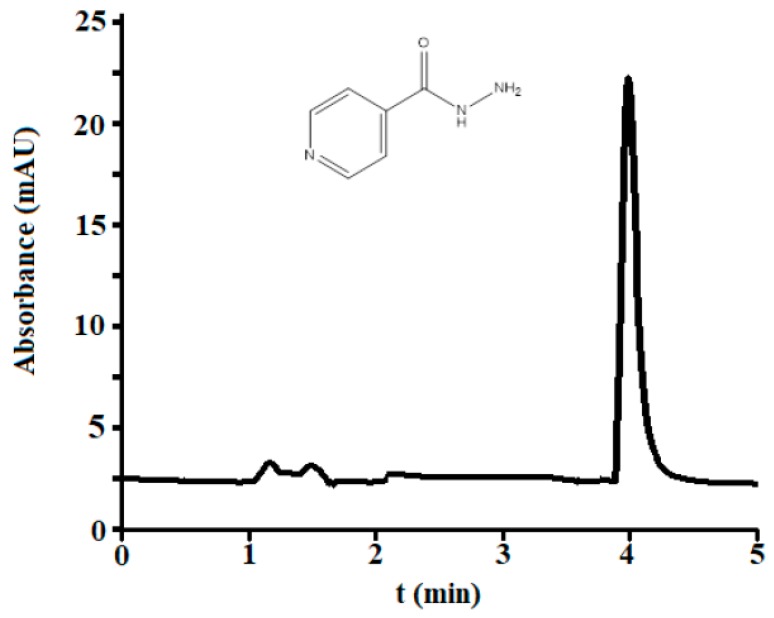
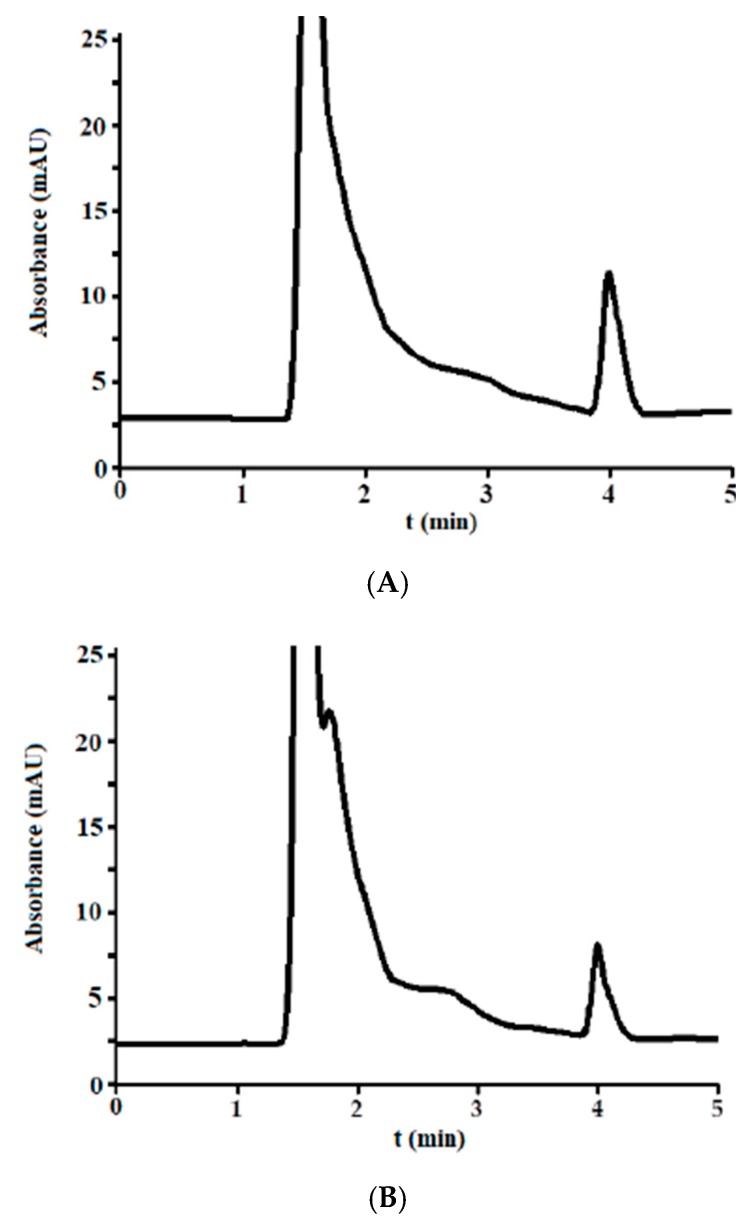
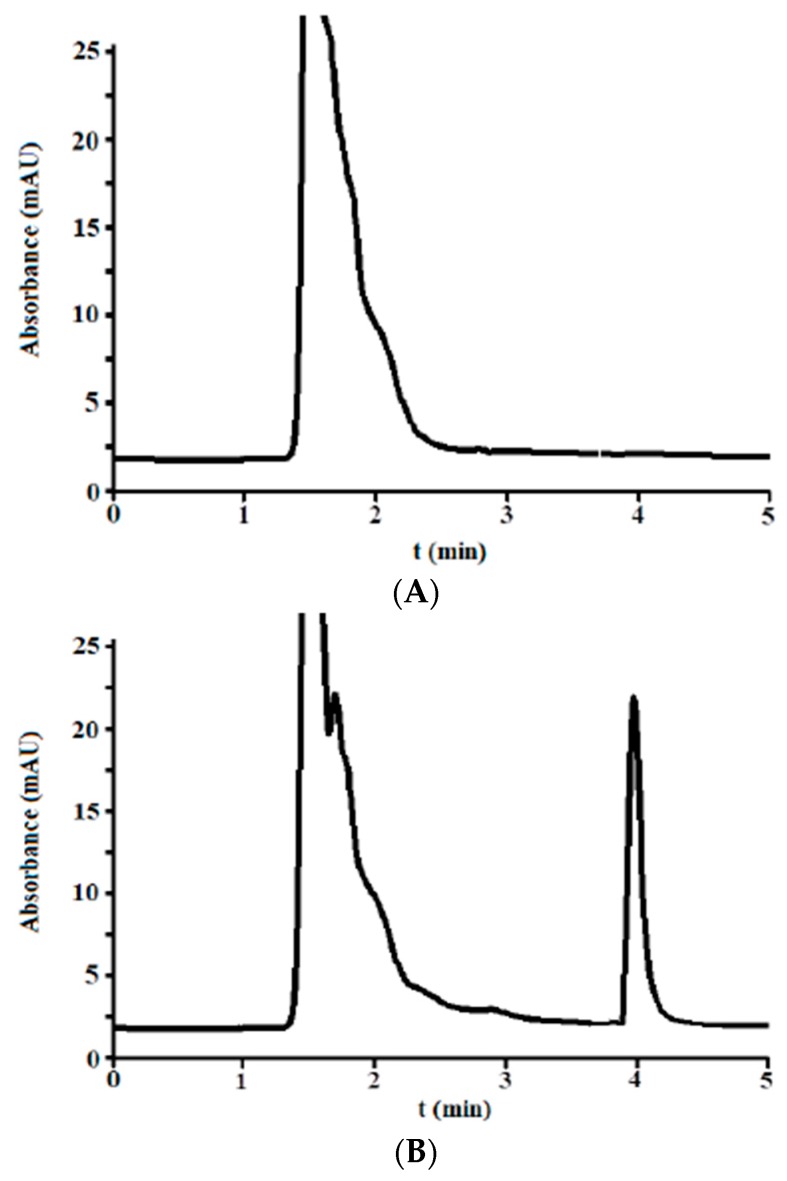
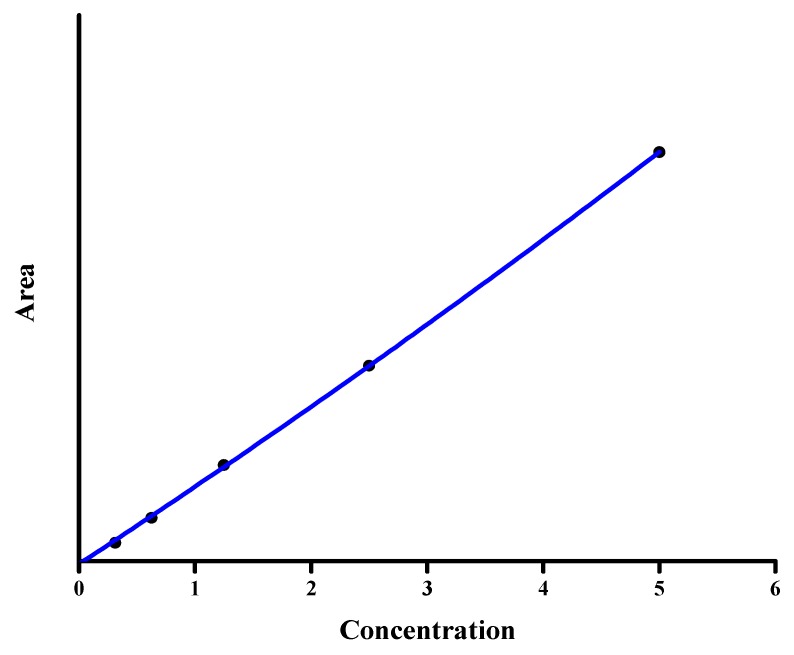
Isoniazid is a drug that is widely used against tuberculosis. However, it shows high interpatient variability in metabolism kinetics and clinical effect, which complicates the prescription of the medication and jeopardizes the success of the therapy. Therefore, in a specific patient, the pharmacokinetics of the drug must be elucidated to decide the proper dosage and intake frequency to make the drug suitable for therapeutic drug monitoring. This can be performed by the quantification of the drug in urine as this process is non-invasive and allows the effects of long-time exposure to be inferred. The paper describes the development of a micellar liquid chromatographic method to quantify isoniazid in urine samples. Extraction steps were avoided, making the procedure easy to handle and reducing the waste of toxic organic solvents. Isoniazid was eluted in less than 5 min without interference from other compounds of the urine using a mobile phase containing 0.15 SDS⁻12.5% 1-propanol (/)⁻Na₂HPO₄ 0.01 M buffered at pH 7, running at 1 mL/min under isocratic mode through a C18 column with the detection wavelength at 265 nm. The method was validated by following the requirements of the Guidelines on Bioanalytical Method Validation issued by the European Medicines Agency (EMA) in terms of selectivity, calibration curve (² = 0.9998 in the calibration range (0.03⁻10.0 μg/mL), limit of detection and quantification (10 and 30 ng/mL respectively), precision (<16.0%), accuracy (-0.9 to +8.5%), carry-over, matrix effect, and robustness. The developed method was applied to quantify isoniazid in urine samples of patients of an Indian hospital with good results. The method was found to be useful for routine analysis to check the amount of isoniazid in these patients and could be used in its therapeutic monitoring.
异烟肼是一种广泛用于治疗结核病的药物。然而,它在代谢动力学和临床效果方面表现出高度的个体间差异,这使得药物处方变得复杂,并危及治疗的成功。因此,对于特定患者,必须阐明药物的药代动力学,以确定合适的剂量和摄入频率,使药物适用于治疗药物监测。这可以通过对尿液中的药物进行定量来实现,因为这个过程是非侵入性的,并且可以推断长期接触的影响。本文描述了一种胶束液相色谱法的开发,用于定量尿液样本中的异烟肼。避免了提取步骤,使该方法易于操作,并减少了有毒有机溶剂的浪费。使用含有0.15 SDS⁻12.5% 1-丙醇(/)⁻0.01 M磷酸氢二钠(pH 7缓冲)的流动相,在等度模式下以1 mL/min的流速通过C18柱,检测波长为265 nm,异烟肼在不到5分钟内洗脱,且不受尿液中其他化合物的干扰。该方法按照欧洲药品管理局(EMA)发布的生物分析方法验证指南的要求进行了验证,包括选择性、校准曲线(校准范围为0.03⁻10.0 μg/mL时,² = 0.9998)、检测限和定量限(分别为10和30 ng/mL)、精密度(<16.0%)、准确度(-0.9至+8.5%)、残留、基质效应和稳健性。所开发的方法应用于印度一家医院患者尿液样本中异烟肼的定量,结果良好。该方法被发现可用于常规分析,以检查这些患者体内异烟肼的含量,并可用于其治疗监测。