Department of Internal Medicine, University of Nebraska Medical Center, 982650 Nebraska Medical Center, Omaha, NE 68198-2265, USA.
Veterans Affairs (VA) Nebraska-Western Iowa Health Care System, 4101 Woolworth Ave, Omaha, NE 68105, USA.
Int J Mol Sci. 2018 Dec 17;19(12):4078. doi: 10.3390/ijms19124078.
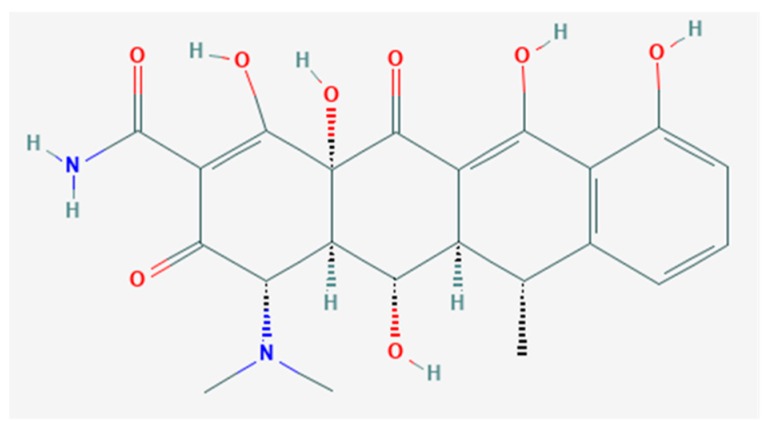
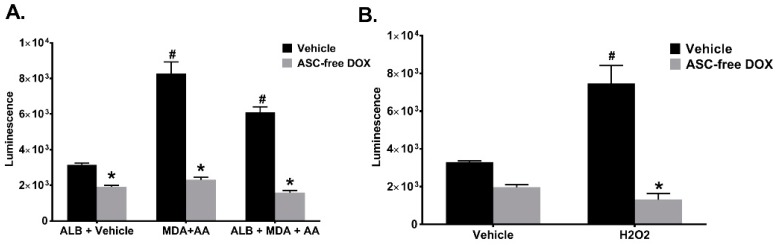
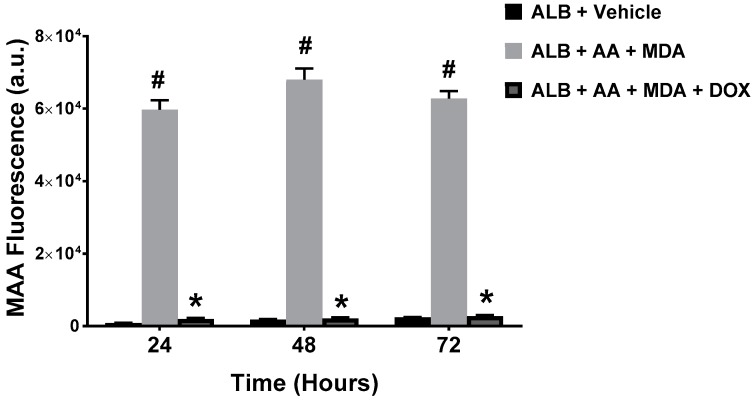
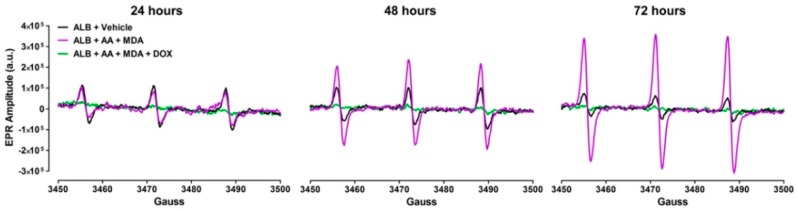
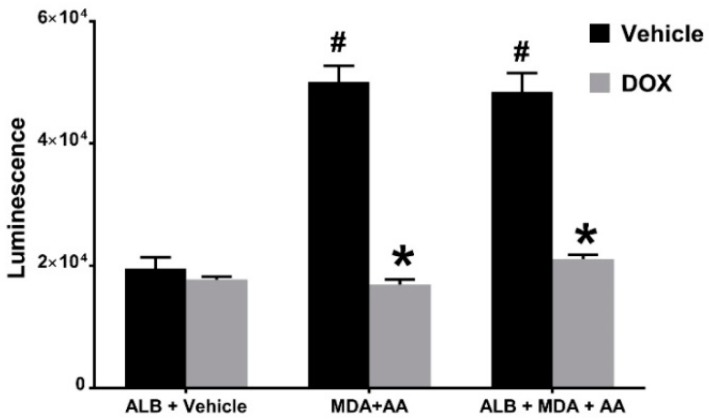
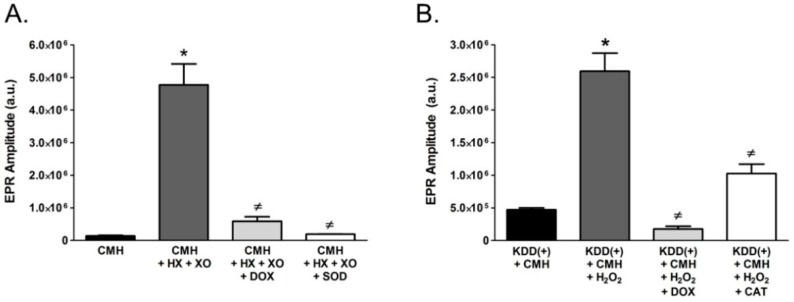
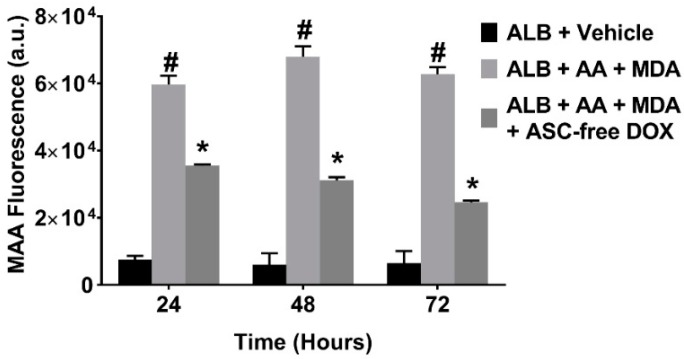
Doxycycline (DOX), a derivative of tetracycline, is a broad-spectrum antibiotic that exhibits a number of therapeutic activities in addition to its antibacterial properties. For example, DOX has been used in the management of a number of diseases characterized by chronic inflammation. One potential mechanism by which DOX inhibits the progression of these diseases is by reducing oxidative stress, thereby inhibiting subsequent lipid peroxidation and inflammatory responses. Herein, we tested the hypothesis that DOX directly scavenges reactive oxygen species (ROS) and inhibits the formation of redox-mediated malondialdehyde-acetaldehyde (MAA) protein adducts. Using a cell-free system, we demonstrated that DOX scavenged reactive oxygen species (ROS) produced during the formation of MAA-adducts and inhibits the formation of MAA-protein adducts. To determine whether DOX scavenges specific ROS, we examined the ability of DOX to directly scavenge superoxide and hydrogen peroxide. Using electron paramagnetic resonance (EPR) spectroscopy, we found that DOX directly scavenged superoxide, but not hydrogen peroxide. Additionally, we found that DOX inhibits MAA-induced activation of Nrf2, a redox-sensitive transcription factor. Together, these findings demonstrate the under-recognized direct antioxidant property of DOX that may help to explain its therapeutic potential in the treatment of conditions characterized by chronic inflammation and increased oxidative stress.
多西环素(DOX)是四环素的衍生物,是一种广谱抗生素,除了具有抗菌特性外,还具有多种治疗活性。例如,DOX 已被用于治疗多种以慢性炎症为特征的疾病。DOX 抑制这些疾病进展的一个潜在机制是通过减少氧化应激,从而抑制随后的脂质过氧化和炎症反应。在此,我们检验了 DOX 直接清除活性氧(ROS)并抑制氧化还原介导的丙二醛-乙醛(MAA)蛋白加合物形成的假设。使用无细胞系统,我们证明 DOX 可清除 MAA 加合物形成过程中产生的活性氧(ROS)并抑制 MAA-蛋白加合物的形成。为了确定 DOX 是否清除特定的 ROS,我们检查了 DOX 直接清除超氧阴离子和过氧化氢的能力。使用电子顺磁共振(EPR)光谱,我们发现 DOX 可直接清除超氧阴离子,但不能清除过氧化氢。此外,我们发现 DOX 抑制 MAA 诱导的 Nrf2 激活,Nrf2 是一种氧化还原敏感的转录因子。这些发现共同证明了 DOX 被低估的直接抗氧化特性,这可能有助于解释其在治疗以慢性炎症和氧化应激增加为特征的疾病中的治疗潜力。