Klee Nicole S, McCarthy Cameron G, Lewis Steven, McKenzie Jaine L, Vincent Julie E, Webb R Clinton
Department of Physiology, Medical College of Georgia at Augusta University, Augusta, GA, United States.
Department of Physiology and Pharmacology, University of Toledo College of Medicine and Life Sciences, Toledo, OH, United States.
Front Surg. 2018 Dec 4;5:72. doi: 10.3389/fsurg.2018.00072. eCollection 2018.
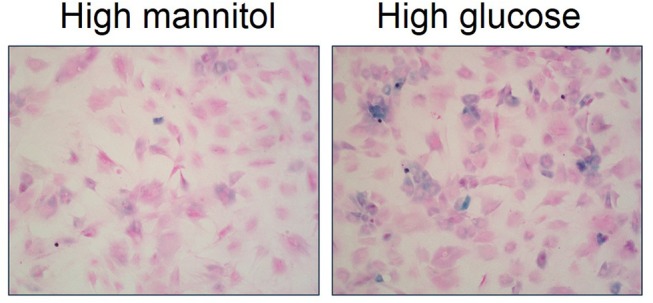
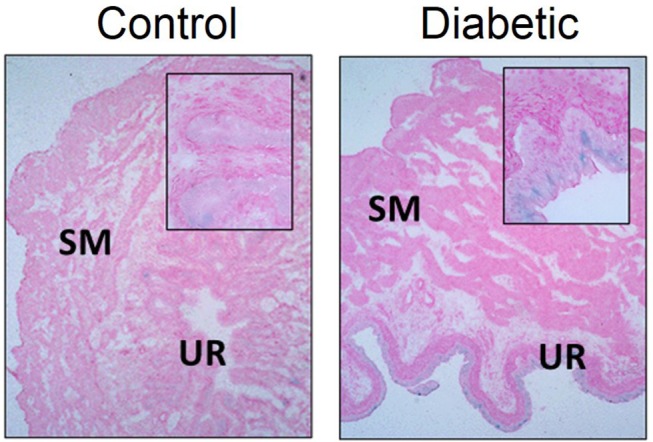
Diabetic bladder dysfunction (DBD) is a well-recognized and common symptom affecting up to 50% of all diabetic patients. DBD has a broad range of clinical presentations ranging from overactive to underactive bladder symptoms that develops in middle-aged to elderly patients with long standing and poorly controlled diabetes. Low efficacy of current therapeutics and lifestyle interventions combined with high national healthcare costs highlight the need for more research into bladder dysfunction pathophysiology and novel treatment options. Cellular senescence is an age-related physiologic process in which cells undergo irreversible growth arrest induced by replicative exhaustion and damaging insults. While controlled senescence negatively regulates cell proliferation and promotes tissue regeneration, uncontrolled senescence is known to result in tissue dysfunction through enhanced secretion of inflammatory factors. This review presents previous scientific findings and current hypotheses that characterize diabetic bladder dysfunction. Further, we propose the novel hypothesis that cellular senescence within the urothelial layer of the bladder contributes to the pro-inflammatory/pro-oxidant environment and symptoms of diabetic bladder dysfunction. Our results show increased cellular senescence in the urothelial layer of the bladder; however, whether this phenomenon is the cause or effect of DBD is unknown. The urothelial layer of the bladder is made up of transitional epithelia specialized to contract and expand with demand and plays an active role in transmission by modulating afferent activity. Transition from normal functioning urothelial cells to secretory senescence cells would not only disrupt the barrier function of this layer but may result in altered signaling and sensation of bladder fullness; dysfunction of this layer is known to result in symptoms of frequency and urgency. Future DBD therapeutics may benefit from targeting and preventing early transition of urothelial cells to senescent cells.
糖尿病膀胱功能障碍(DBD)是一种公认的常见症状,影响高达50%的糖尿病患者。DBD有广泛的临床表现,从膀胱过度活动到活动不足的症状,在患有长期糖尿病且控制不佳的中老年患者中出现。当前治疗方法和生活方式干预的疗效不佳,再加上国家医疗保健成本高昂,凸显了对膀胱功能障碍病理生理学和新型治疗方案进行更多研究的必要性。细胞衰老 是一种与年龄相关的生理过程,其中细胞因复制性耗竭和损伤性刺激而经历不可逆的生长停滞。虽然受控衰老会负向调节细胞增殖并促进组织再生,但已知不受控衰老会通过增强炎症因子的分泌导致组织功能障碍。本综述介绍了以往表征糖尿病膀胱功能障碍的科学发现和当前假说。此外,我们提出了一个新的假说,即膀胱尿路上皮层内的细胞衰老促成了促炎/促氧化环境以及糖尿病膀胱功能障碍的症状。我们的结果显示膀胱尿路上皮层中的细胞衰老增加;然而,这种现象是DBD的原因还是结果尚不清楚。膀胱尿路上皮层由专门根据需求收缩和扩张的移行上皮组成,并通过调节传入活动在信号传递中发挥积极作用。从正常功能的尿路上皮细胞向分泌性衰老细胞的转变不仅会破坏该层的屏障功能,还可能导致膀胱充盈信号和感觉的改变;已知该层功能障碍会导致尿频和尿急症状。未来的DBD治疗可能会受益于靶向和预防尿路上皮细胞过早转变为衰老细胞。