Department of Biological Structure, Washington National Primate Research Center, University of Washington, Seattle, United States.
University of Washington Institute for Neuroengineering, Seattle, United States.
Elife. 2018 Dec 20;7:e38242. doi: 10.7554/eLife.38242.
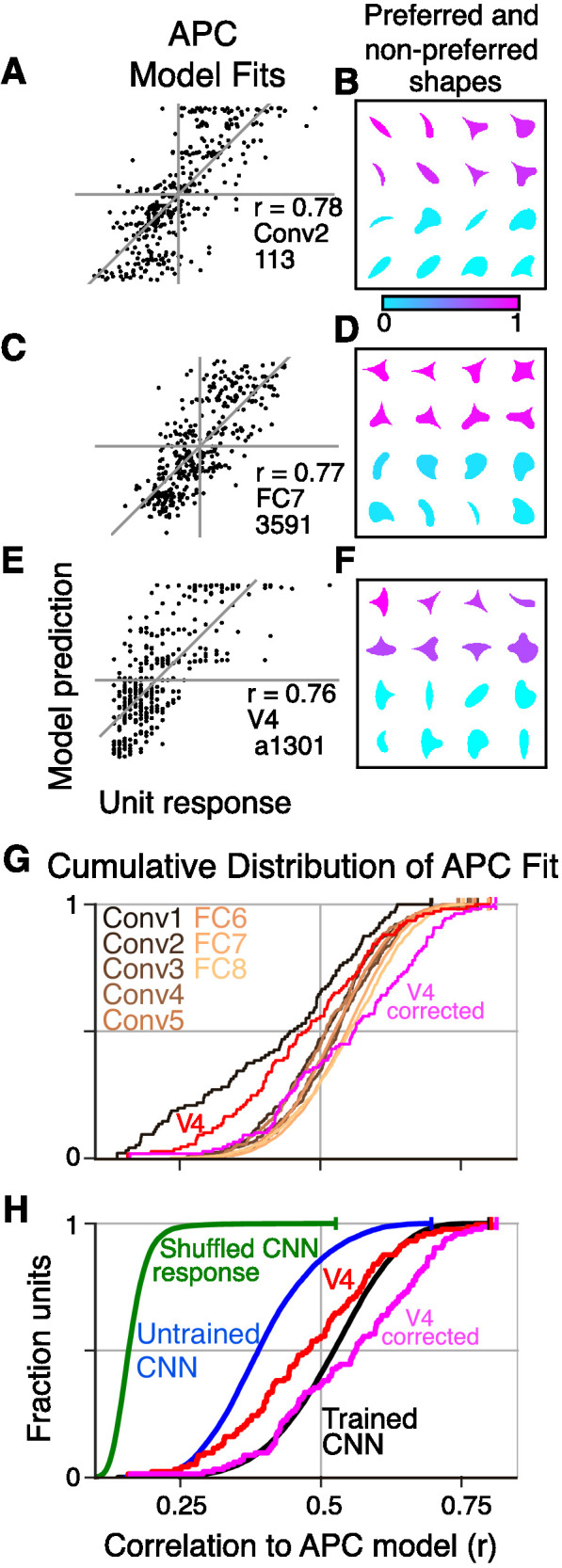
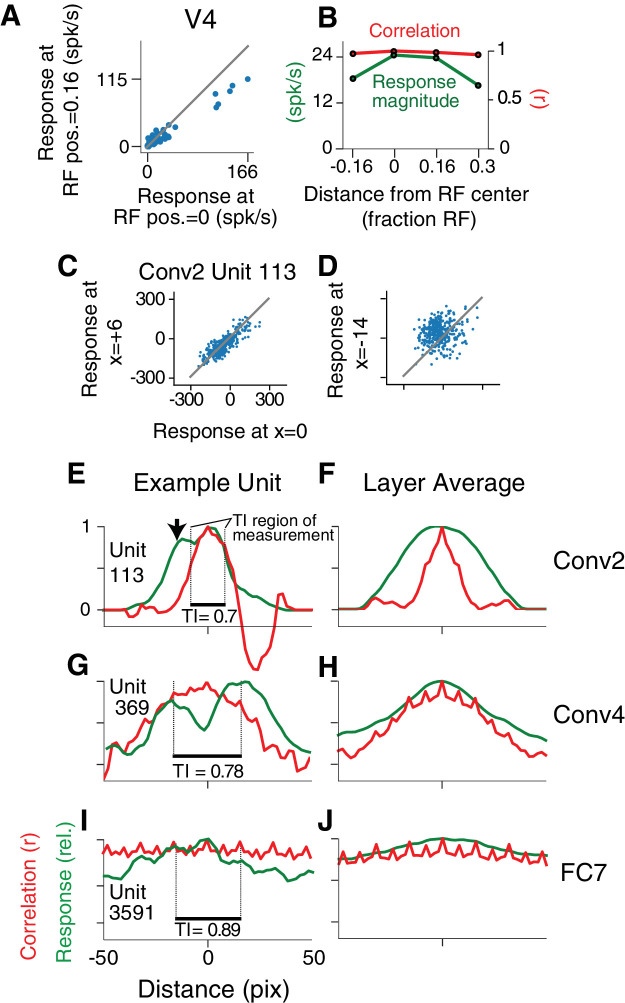
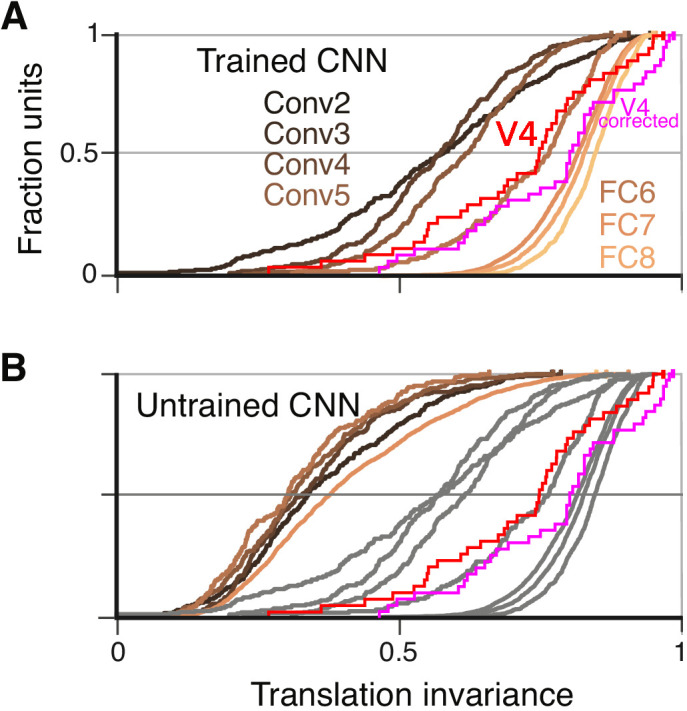
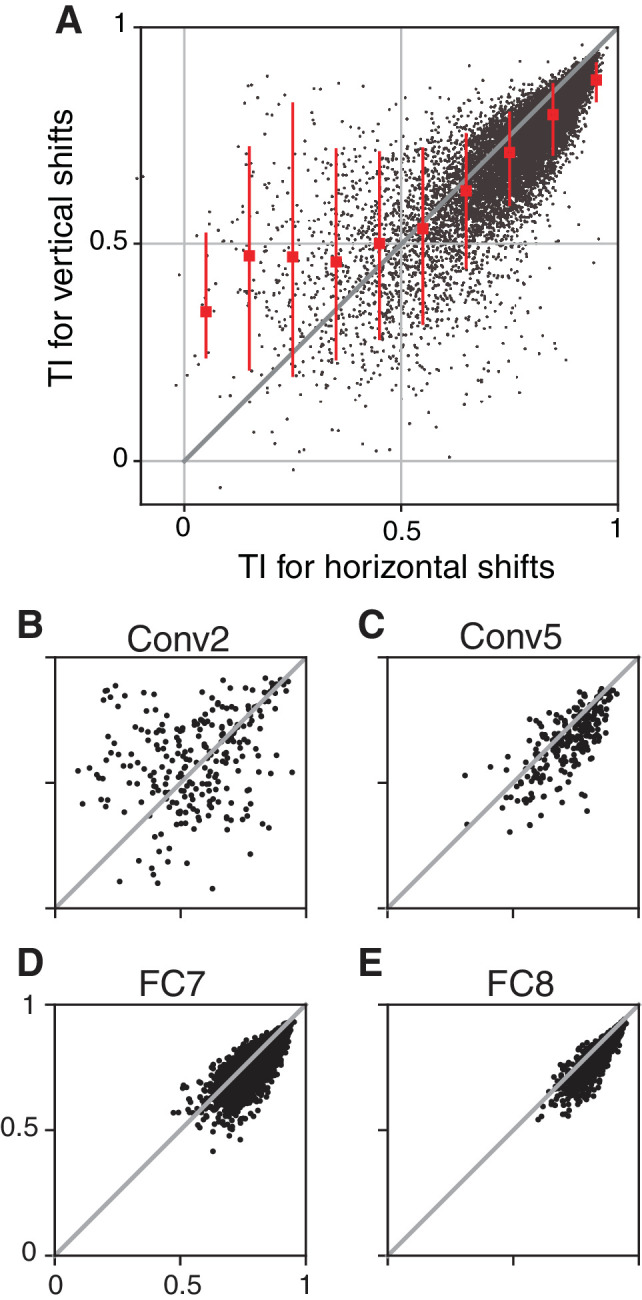
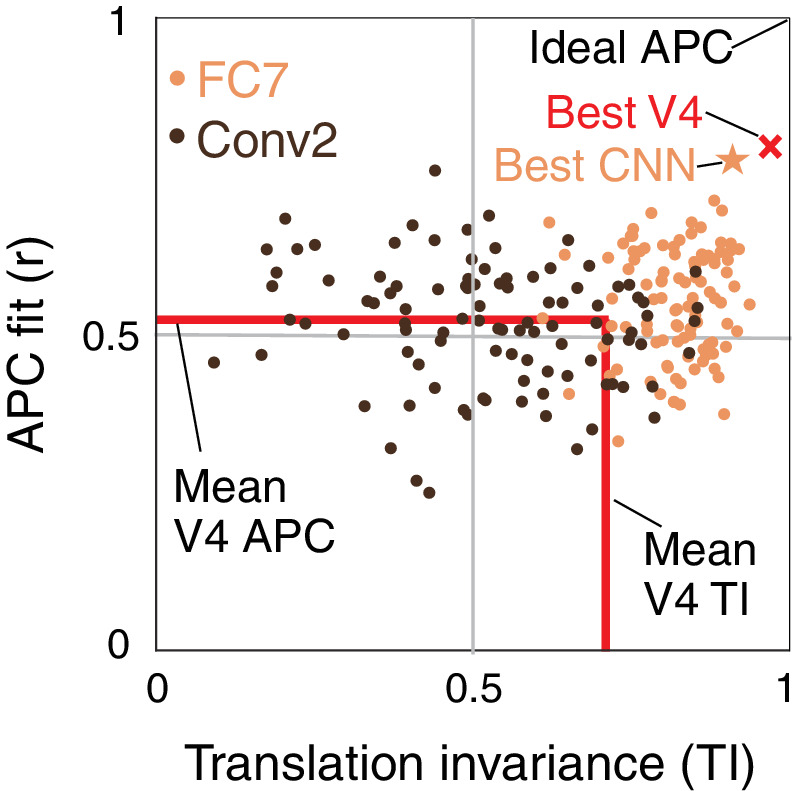
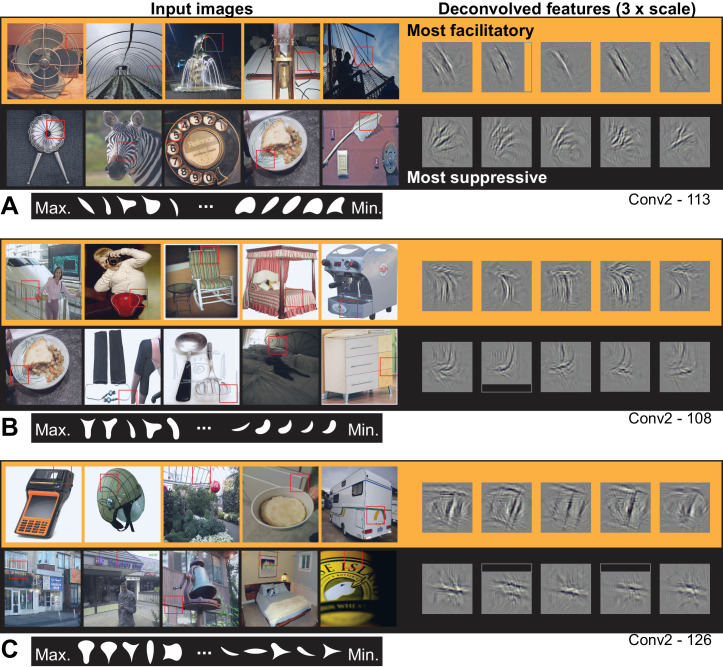
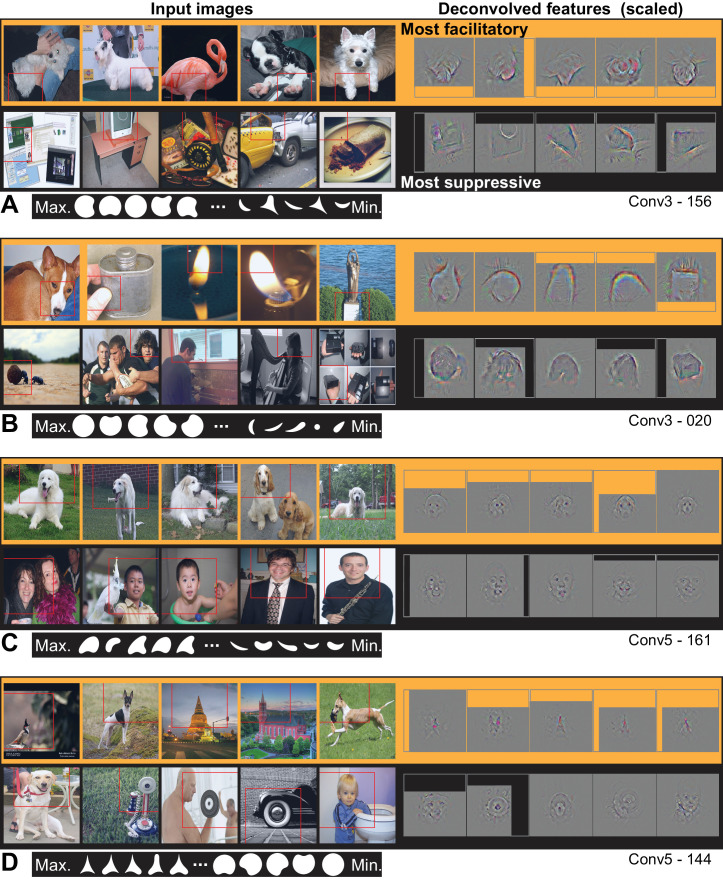
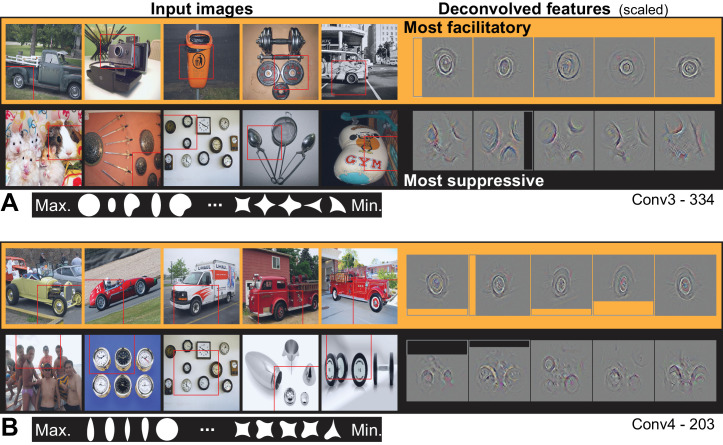
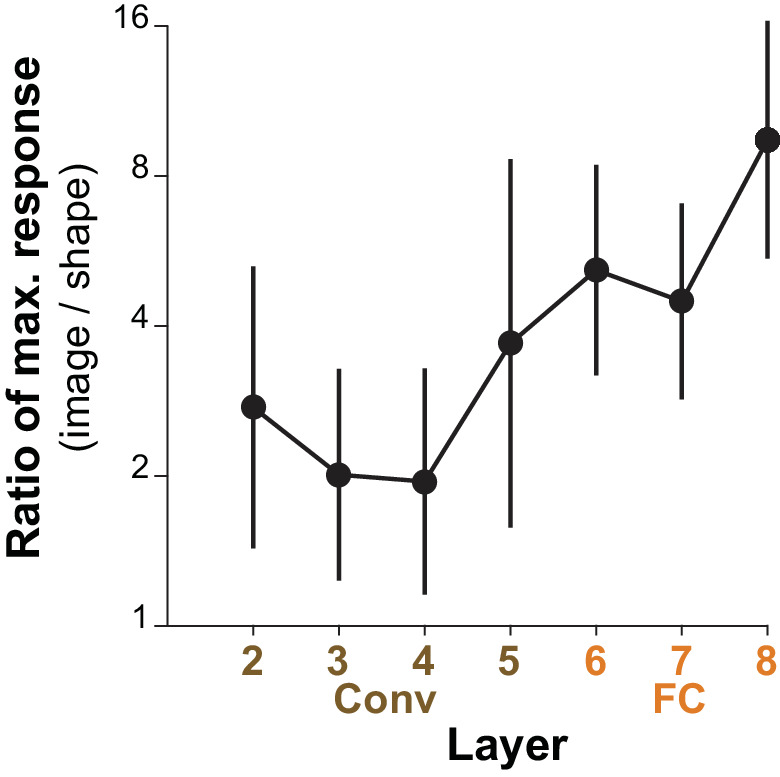
Deep networks provide a potentially rich interconnection between neuroscientific and artificial approaches to understanding visual intelligence, but the relationship between artificial and neural representations of complex visual form has not been elucidated at the level of single-unit selectivity. Taking the approach of an electrophysiologist to characterizing single CNN units, we found many units exhibit translation-invariant boundary curvature selectivity approaching that of exemplar neurons in the primate mid-level visual area V4. For some V4-like units, particularly in middle layers, the natural images that drove them best were qualitatively consistent with selectivity for object boundaries. Our results identify a novel image-computable model for V4 boundary curvature selectivity and suggest that such a representation may begin to emerge within an artificial network trained for image categorization, even though boundary information was not provided during training. This raises the possibility that single-unit selectivity in CNNs will become a guide for understanding sensory cortex.
深度网络在理解视觉智能方面在神经科学和人工智能方法之间提供了潜在的丰富的相互连接,但复杂视觉形式的人工和神经表示之间的关系尚未在单个单元选择性的水平上阐明。我们采用电生理学家的方法来描述单个 CNN 单元,发现许多单元表现出接近灵长类动物中等级视觉区域 V4 中范例神经元的平移不变边界曲率选择性。对于一些类似于 V4 的单元,特别是在中间层,最能驱动它们的自然图像在定性上与对象边界的选择性一致。我们的结果确定了 V4 边界曲率选择性的新型可计算图像模型,并表明这种表示可能开始在为图像分类训练的人工网络中出现,即使在训练过程中没有提供边界信息。这提出了一种可能性,即 CNN 中的单单元选择性将成为理解感觉皮层的指南。