Georgiou Efi, Schoina Elina, Markantonis Sophia-Liberty, Karalis Vangelis, Athanasopoulos Panagiotis G, Chrysoheris Periklis, Antonakopoulos Fotis, Konstantinidis Konstantinos
Department of Pharmacy, National and Kapodistrian University of Athens, Athens.
Department of General, Laparoscopic, Robotic and Bariatric Surgery, Athens Medical Center, Marousi, Greece.
Medicine (Baltimore). 2018 Dec;97(52):e13974. doi: 10.1097/MD.0000000000013974.
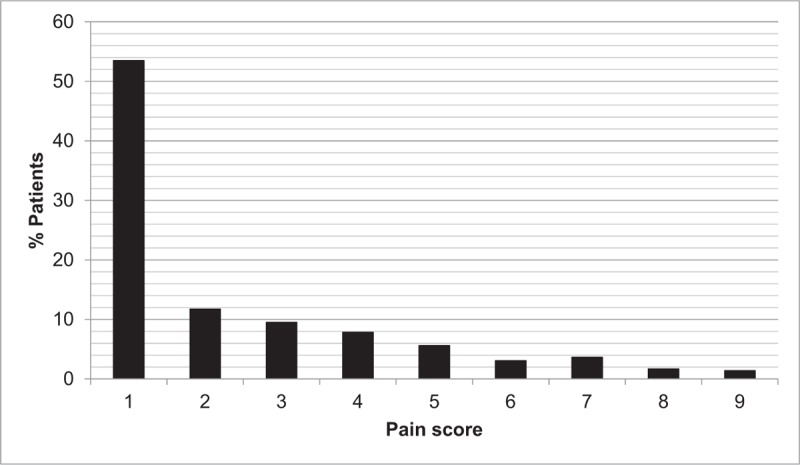
Laparoscopic inguinal hernia repair is one of the most frequently performed operations. However, the search for the most appropriate prosthetic materials continues to occupy the surgical community. The purpose of this study was to evaluate the postoperative short- and mid-term effects (like duration of stay, number and type of complications, and inguinal pain) of laparoscopic inguinal hernia repair using the total extraperitoneal (TEP) approach. The evaluation encompassed different types of mesh and fixation devices, as well as medications prescribed during hospitalization.This retrospective study was conducted at the General, Laparoendoscopic, Bariatric, and Robotic Surgical Clinic of the Athens Medical Center. Clinical data from 524 patients were evaluated. The answers from an appropriately designed questionnaire completed from each individual were used to obtain information about their postoperative course. The statistical analysis was implemented in SPSS v 23.Analysis revealed that pain sensation on discharge decreased with increasing age (P < .05). No clear relationship was found between surgical clips and pain (P = .292), as well as mesh absorbability and chronic pain (P = .539). The major postoperative complications were annoyance and discomfort (15.9%). The recurrence rate was 1.7%.Postoperative complications following the TEP approach were mostly found to be minor; chronic pain, as an aspect of impaired quality of life, was not experienced in the majority (89.08%). The properties of prosthetic materials used and the type of medications prescribed were not found to exert a significant role in satisfactory postoperative outcomes.
腹腔镜腹股沟疝修补术是最常开展的手术之一。然而,寻找最合适的假体材料仍然是外科界关注的焦点。本研究的目的是评估采用完全腹膜外(TEP)入路的腹腔镜腹股沟疝修补术的术后短期和中期效果(如住院时间、并发症的数量和类型以及腹股沟疼痛)。评估涵盖了不同类型的补片和固定装置,以及住院期间开具的药物。
这项回顾性研究在雅典医学中心的普通、腹腔镜、减重和机器人手术诊所进行。对524例患者的临床资料进行了评估。通过每位患者填写的一份精心设计的问卷答案来获取有关其术后病程的信息。统计分析采用SPSS v 23软件进行。
分析显示,出院时的疼痛感觉随着年龄的增加而减轻(P<0.05)。未发现手术夹与疼痛之间存在明确关系(P = 0.292),补片可吸收性与慢性疼痛之间也无明显关系(P = 0.539)。主要的术后并发症是烦扰和不适(15.9%)。复发率为1.7%。
TEP入路术后并发症大多较轻;作为生活质量受损一个方面的慢性疼痛,大多数患者(89.08%)并未经历。未发现所用假体材料的特性和所开药物的类型对术后良好结局发挥显著作用。