De Palma Monica, Salzano Maria, Villano Clizia, Aversano Riccardo, Lorito Matteo, Ruocco Michelina, Docimo Teresa, Piccinelli Anna Lisa, D'Agostino Nunzio, Tucci Marina
1Institute of Biosciences and BioResources, Research Division Portici, National Research Council, 80055 Portici, Italy.
2Department of Agricultural Sciences, University of Naples Federico II, 80055 Portici, Italy.
Hortic Res. 2019 Jan 1;6:5. doi: 10.1038/s41438-018-0079-1. eCollection 2019.
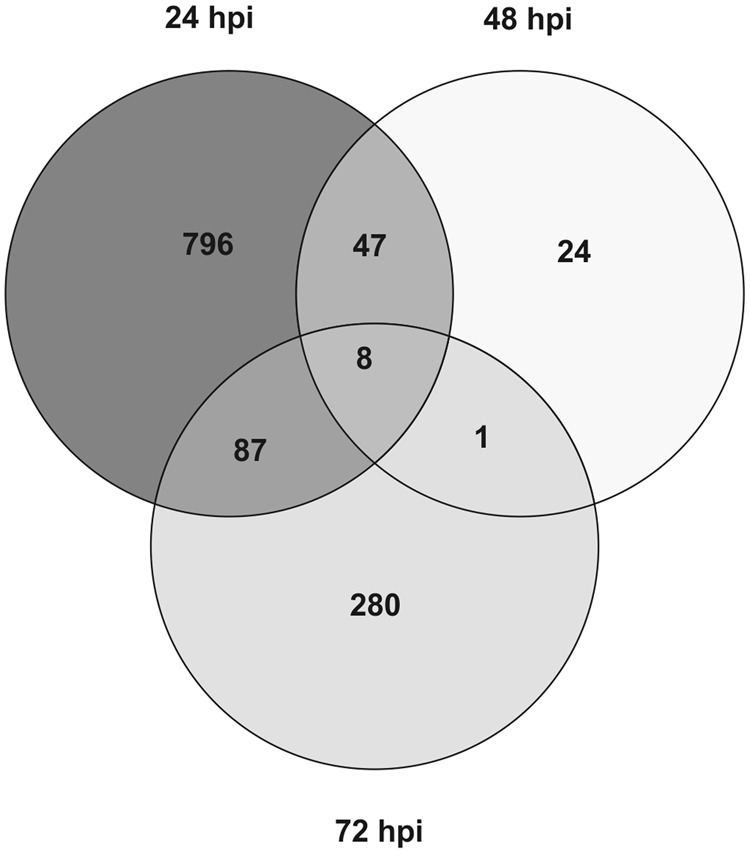
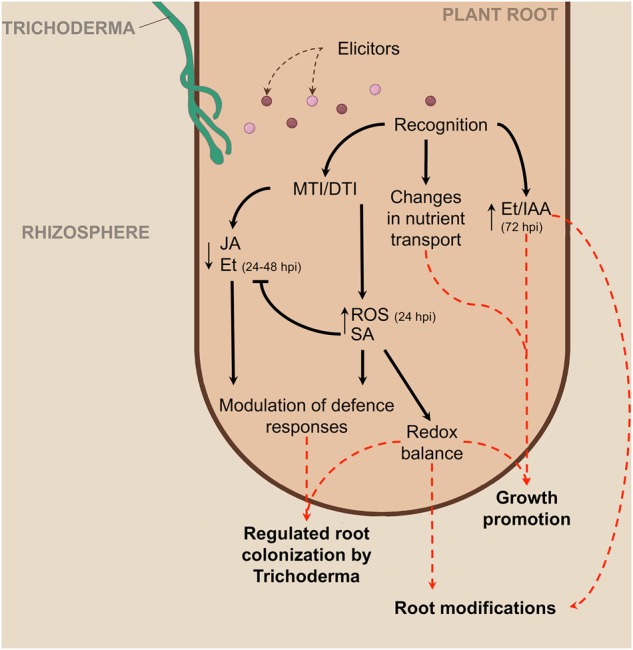
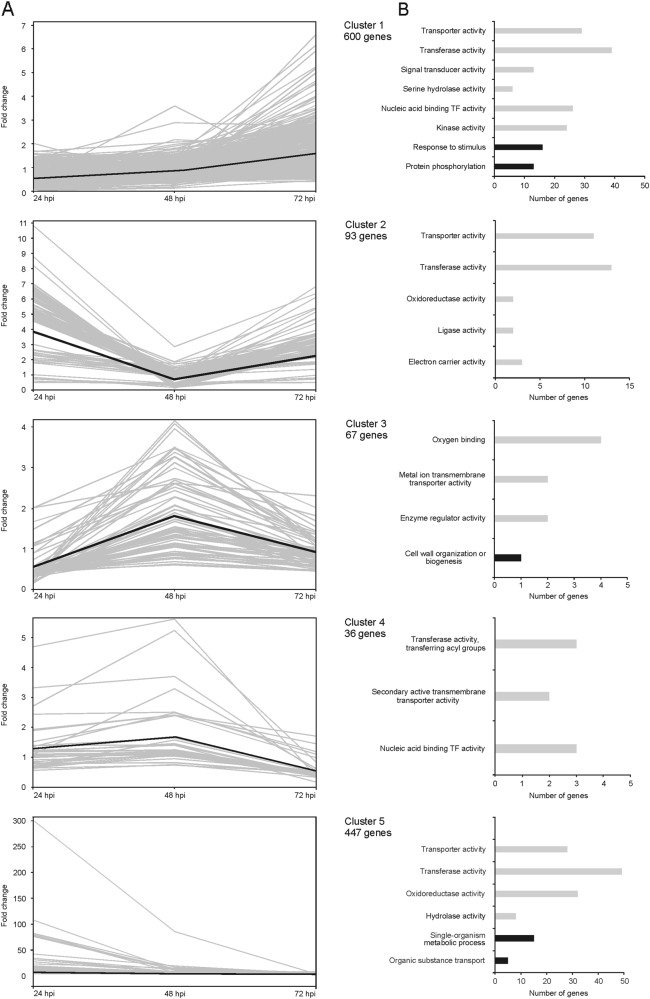
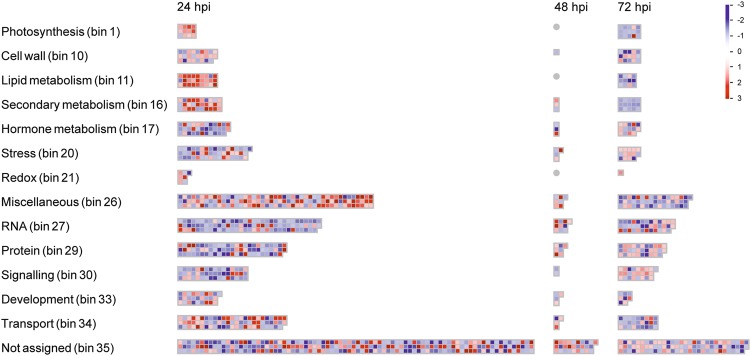
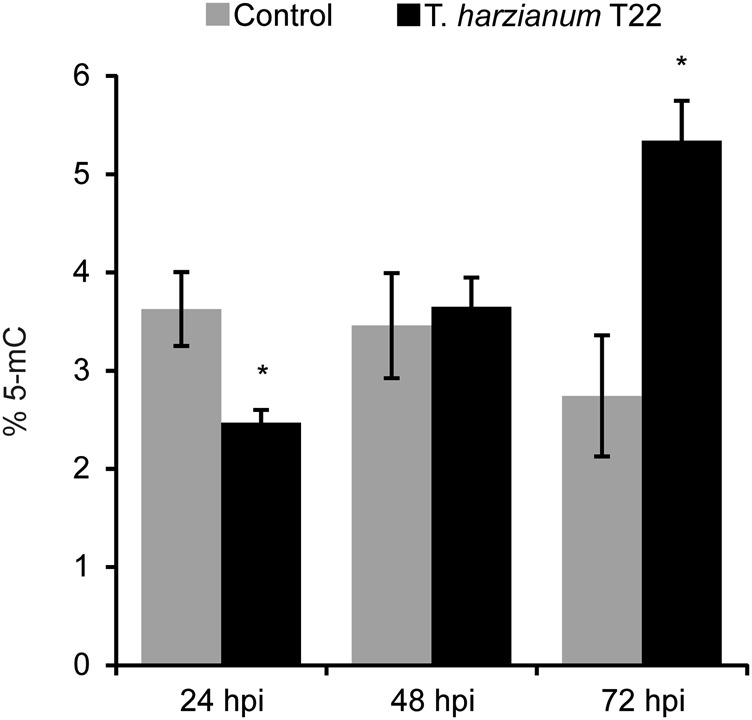
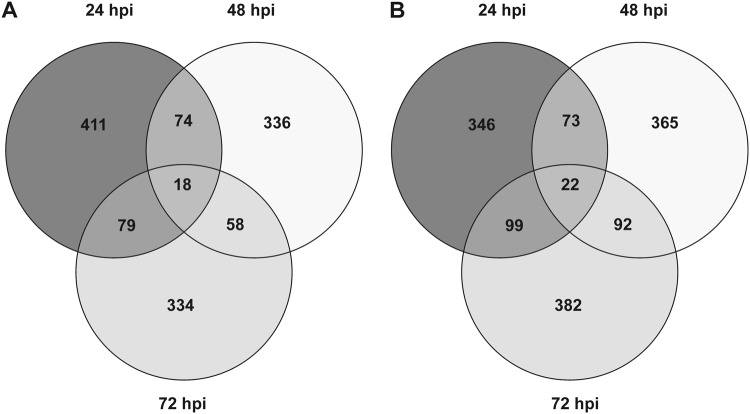
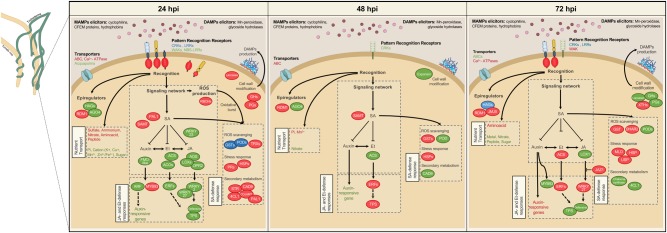
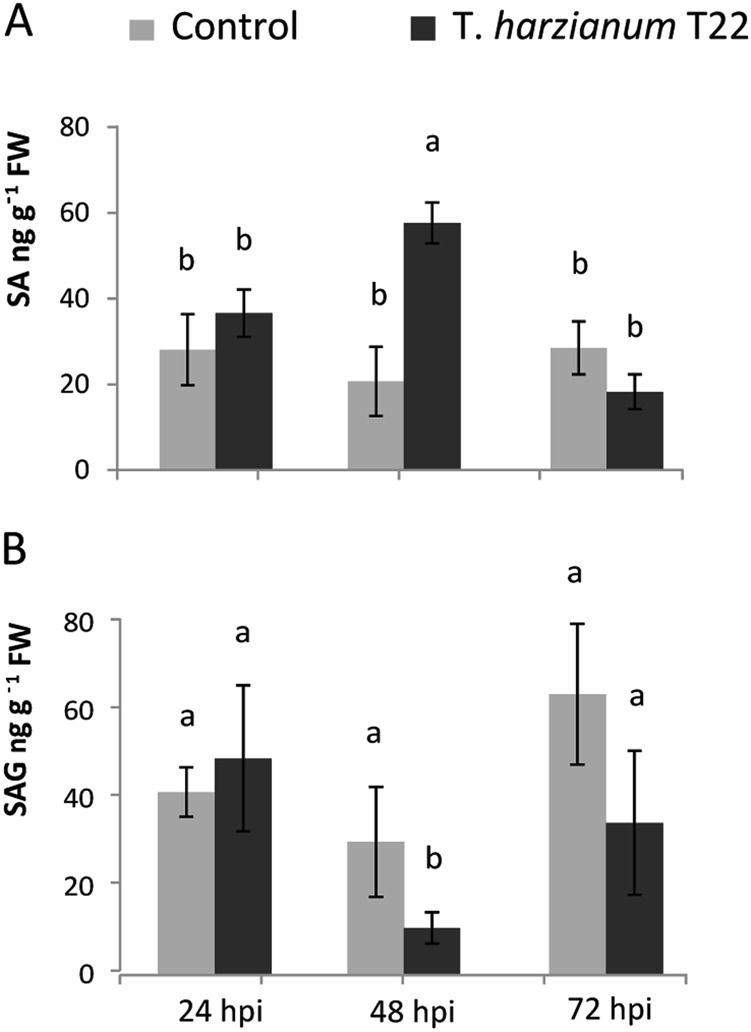
Beneficial interactions of rhizosphere microorganisms are widely exploited for plant biofertilization and mitigation of biotic and abiotic constraints. To provide new insights into the onset of the roots-beneficial microorganisms interplay, we characterised the transcriptomes expressed in tomato roots at 24, 48 and 72 h post inoculation with the beneficial fungus T22 and analysed the epigenetic and post-trascriptional regulation mechanisms. We detected 1243 tomato transcripts that were differentially expressed between -interacting and control roots and 83 transcripts that were differentially expressed between the three experimental time points. Interaction with triggered a transcriptional response mainly ascribable to signal recognition and transduction, stress response, transcriptional regulation and transport. In tomato roots, salicylic acid, and not jasmonate, appears to have a prominent role in orchestrating the interplay with this beneficial strain. Differential regulation of many nutrient transporter genes indicated a strong effect on plant nutrition processes, which, together with the possible modifications in root architecture triggered by ethylene/indole-3-acetic acid signalling at 72 h post inoculation may concur to the well-described growth-promotion ability of this strain. Alongside, -induced defence priming and stress tolerance may be mediated by the induction of reactive oxygen species, detoxification and defence genes. A deeper insight into gene expression and regulation control provided first evidences for the involvement of cytosine methylation and alternative splicing mechanisms in the plant- interaction. A model is proposed that integrates the plant transcriptomic responses in the roots, where interaction between the plant and beneficial rhizosphere microorganisms occurs.
根际微生物的有益相互作用被广泛用于植物生物施肥以及缓解生物和非生物胁迫。为了深入了解根系与有益微生物相互作用的起始机制,我们对番茄根系在接种有益真菌T22后24、48和72小时表达的转录组进行了表征,并分析了表观遗传和转录后调控机制。我们检测到1243个番茄转录本在相互作用的根系和对照根系之间差异表达,以及83个转录本在三个实验时间点之间差异表达。与T22的相互作用引发了主要归因于信号识别与转导、应激反应、转录调控和转运的转录反应。在番茄根系中,水杨酸而非茉莉酸似乎在协调与这种有益菌株的相互作用中发挥着重要作用。许多营养转运蛋白基因的差异调控表明对植物营养过程有强烈影响,这与接种后72小时乙烯/吲哚-3-乙酸信号传导引发的根系结构可能变化一起,可能有助于该菌株众所周知的促生长能力。此外,T22诱导的防御启动和胁迫耐受性可能由活性氧、解毒和防御基因的诱导介导。对基因表达和调控控制的更深入了解为胞嘧啶甲基化和可变剪接机制参与植物与T22相互作用提供了首个证据。提出了一个整合植物根系转录组反应的模型,植物与有益根际微生物之间的相互作用在此发生。