Department of Physiology, Medical College of Georgia, Augusta University, Augusta, GA, United States.
Department of Physiology, Medical College of Georgia, Augusta University, Augusta, GA, United States; Department of Surgery, Augusta University Medical Center, Augusta University, Augusta, GA, United States.
Pharmacol Res. 2019 Mar;141:236-248. doi: 10.1016/j.phrs.2019.01.007. Epub 2019 Jan 4.
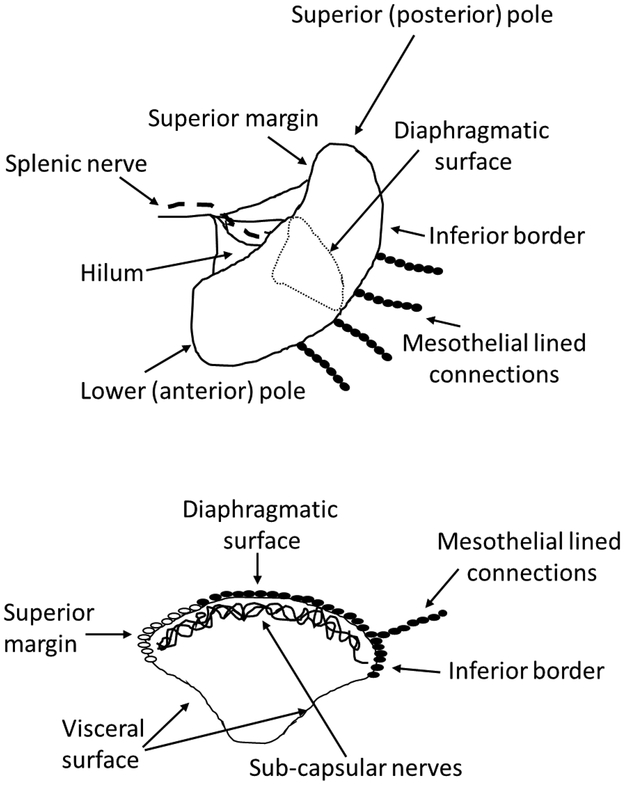
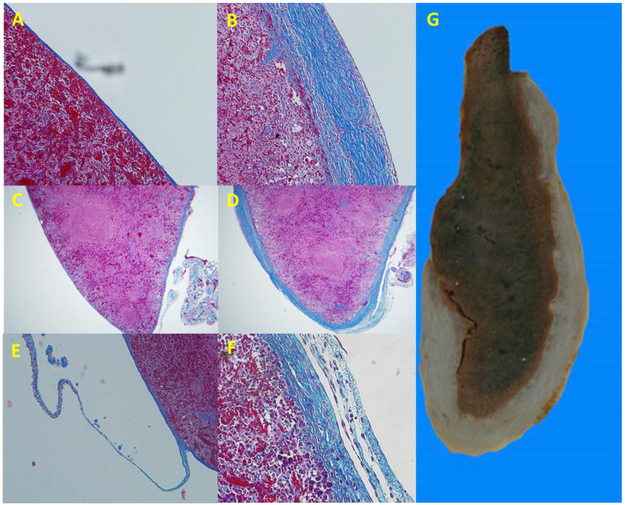
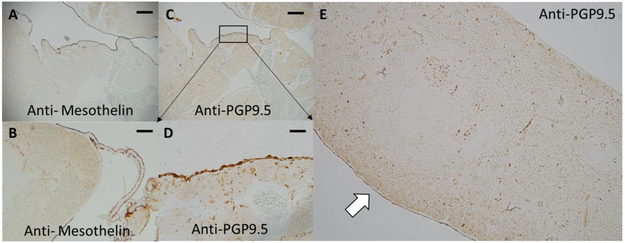
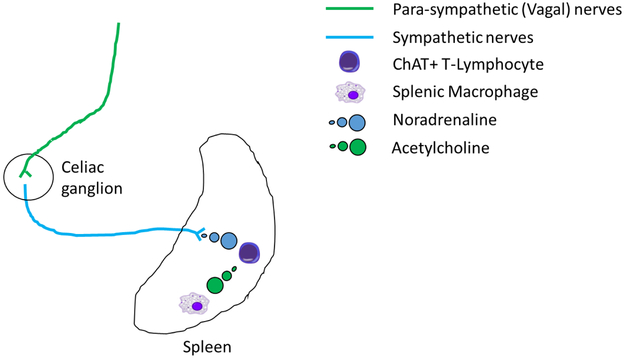
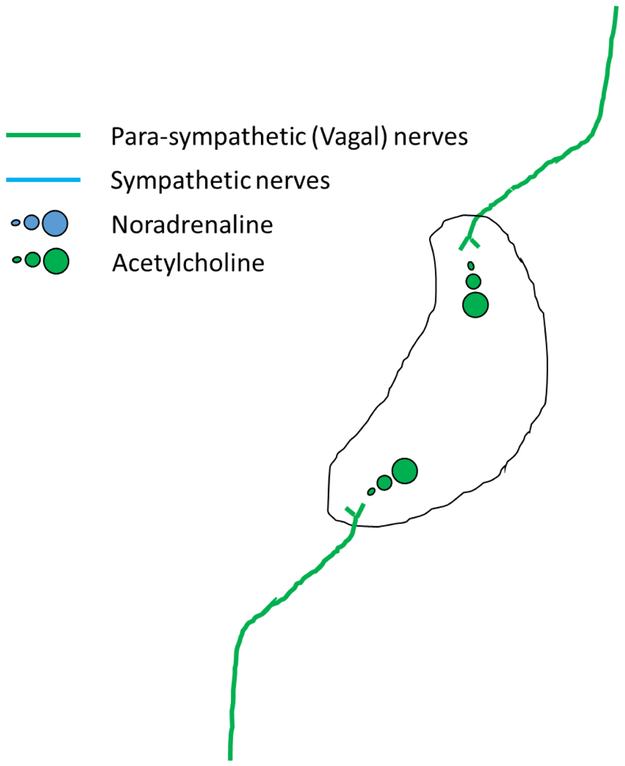
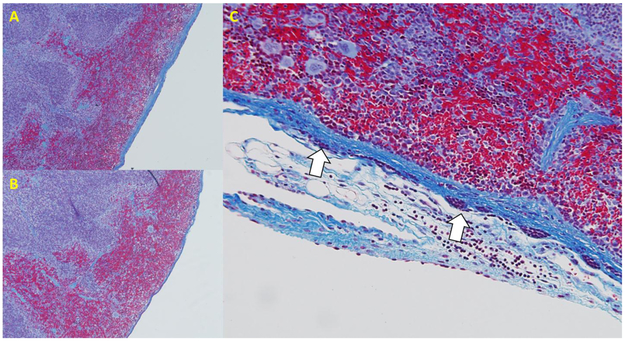
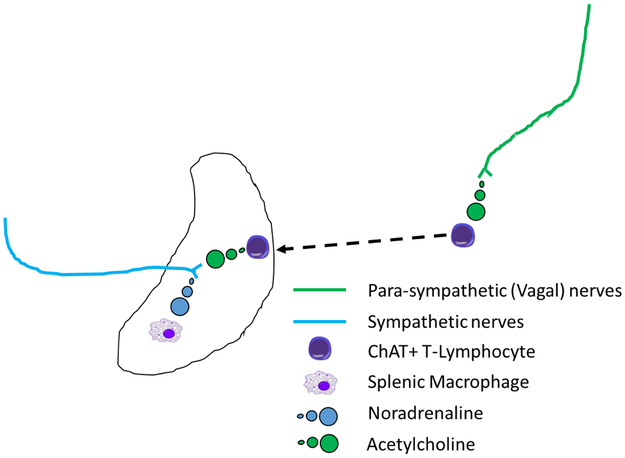
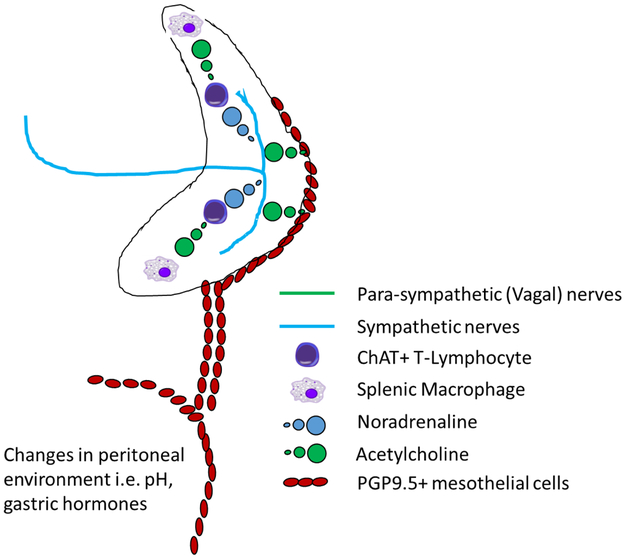
Much research now indicates that vagal nerve stimulation results in a systemic reduction in inflammatory cytokine production and an increase in anti-inflammatory cell populations that originates from the spleen. Termed the 'cholinergic anti-inflammatory pathway', therapeutic activation of this innate physiological response holds enormous promise for the treatment of inflammatory disease. Much controversy remains however, regarding the underlying physiological pathways mediating this response. This controversy is anchored in the fact that the vagal nerve itself does not innervate the spleen. Recent research from our own laboratory indicating that oral intake of sodium bicarbonate stimulates splenic anti-inflammatory pathways, and that this effect may require transmission of signals to the spleen through the mesothelium, provide new insight into the physiological pathways mediating the cholinergic anti-inflammatory pathway. In this review, we examine proposed models of the cholinergic anti-inflammatory pathway and attempt to frame our recent results in relation to these hypotheses. Following this discussion, we then provide an alternative model of the cholinergic anti-inflammatory pathway which is consistent both with our recent findings and the published literature. We then discuss experimental approaches that may be useful to delineate these hypotheses. We believe the outcome of these experiments will be critical in identifying the most appropriate methods to harness the therapeutic potential of the cholinergic anti-inflammatory pathway for the treatment of disease and may also shed light on the etiology of other pathologies, such as idiopathic fibrosis.
现在有很多研究表明,迷走神经刺激会导致全身炎症细胞因子产生减少,抗炎细胞群增加,这种现象起源于脾脏。这种现象被称为“胆碱能抗炎途径”,这种先天生理反应的治疗激活为炎症性疾病的治疗带来了巨大的希望。然而,关于介导这种反应的潜在生理途径,仍存在许多争议。这种争议的根源在于,迷走神经本身并不支配脾脏。我们实验室最近的研究表明,口服碳酸氢钠会刺激脾脏抗炎途径,而这种效应可能需要通过间皮将信号传递到脾脏,这为介导胆碱能抗炎途径的生理途径提供了新的见解。在这篇综述中,我们检查了胆碱能抗炎途径的拟议模型,并试图根据这些假设来解释我们最近的结果。在讨论之后,我们提供了一个胆碱能抗炎途径的替代模型,该模型与我们最近的发现和已发表的文献一致。然后,我们讨论了可能有助于阐明这些假设的实验方法。我们相信,这些实验的结果对于确定利用胆碱能抗炎途径治疗疾病的最佳方法将是至关重要的,这也可能为其他病理学(如特发性纤维化)的病因提供线索。