Matheus Gauy Marcelo, Lengler Johannes, Einarsson Hafsteinn, Meier Florian, Weissenberger Felix, Yanik Mehmet Fatih, Steger Angelika
Department of Computer Science, Institute of Theoretical Computer Science, ETH Zurich, Zurich, Switzerland.
Department of Information Technology and Electrical Engineering, Institute for Neuroinformatics, ETH Zurich, Zurich, Switzerland.
Front Neurosci. 2018 Dec 19;12:961. doi: 10.3389/fnins.2018.00961. eCollection 2018.
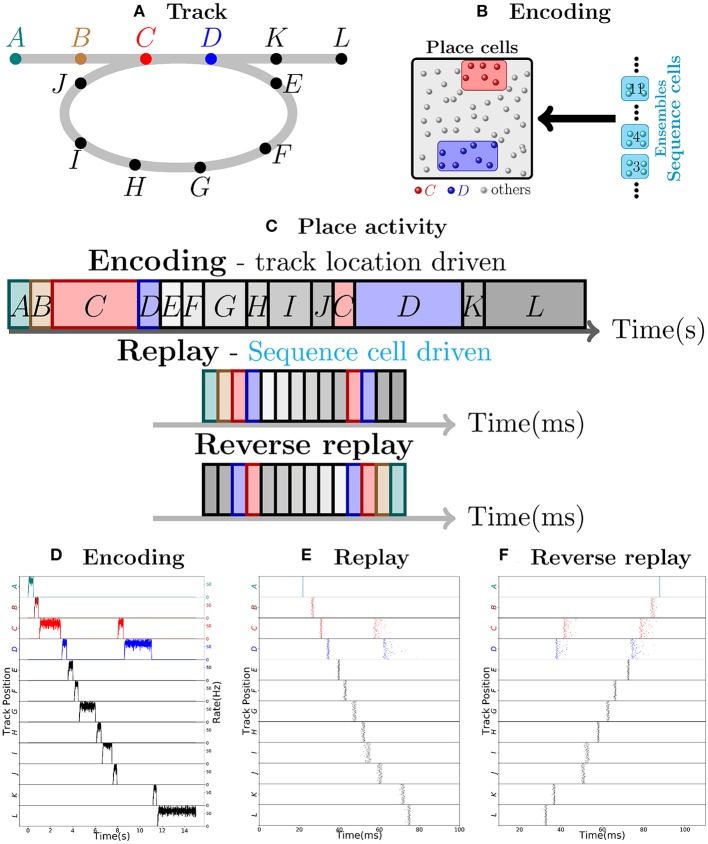
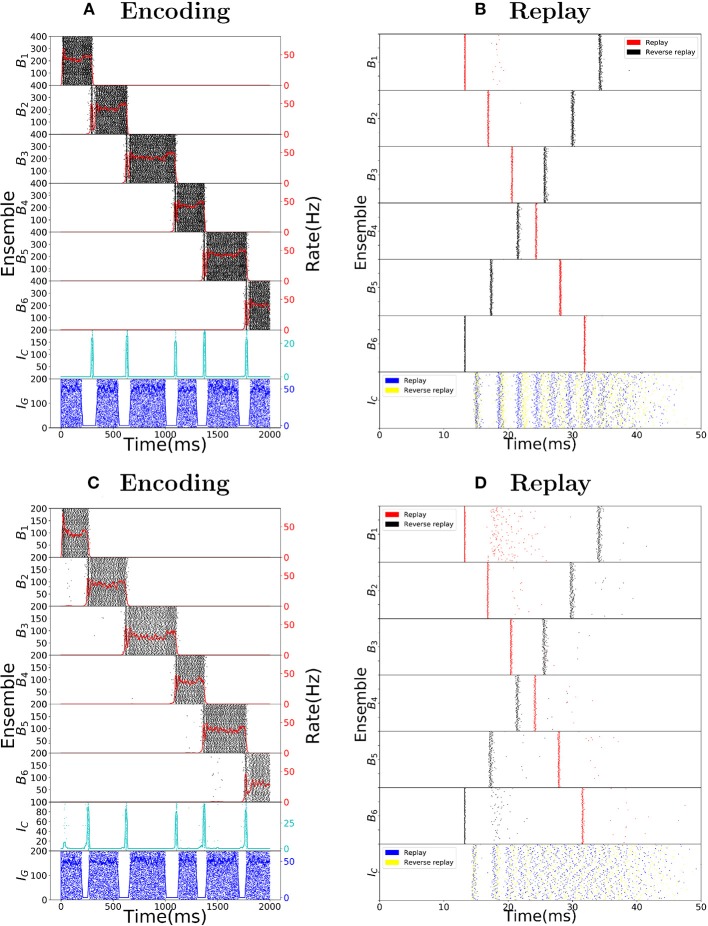
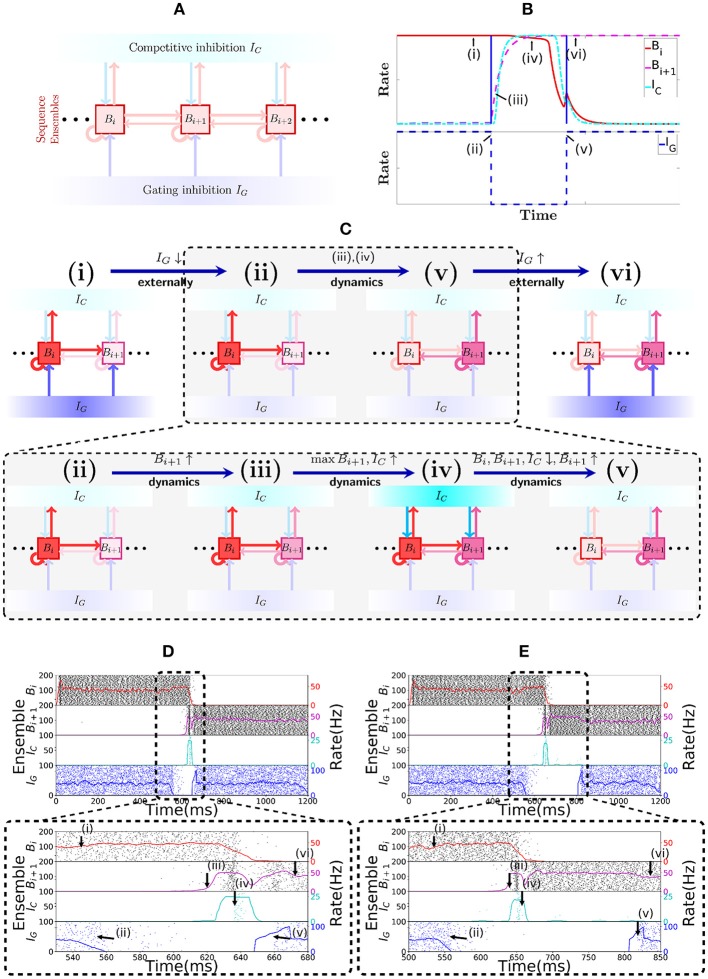
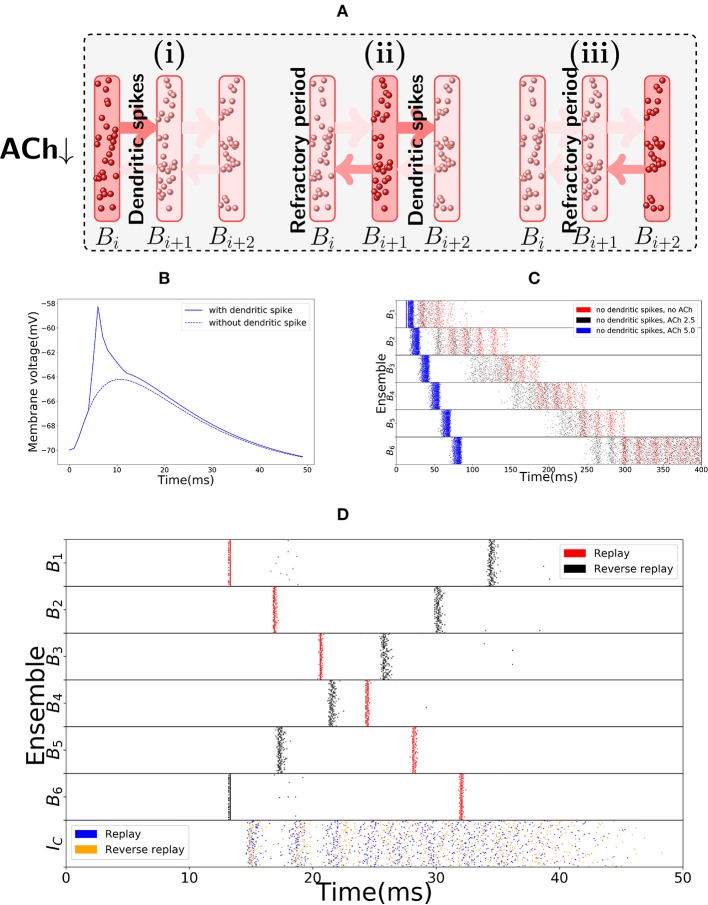
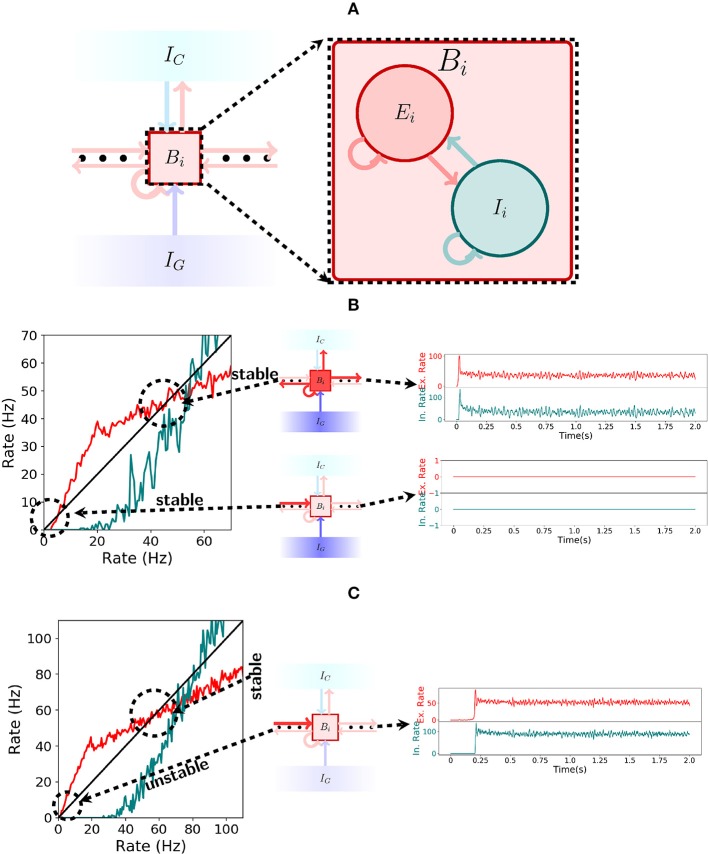
The hippocampus is known to play a crucial role in the formation of long-term memory. For this, fast replays of previously experienced activities during sleep or after reward experiences are believed to be crucial. But how such replays are generated is still completely unclear. In this paper we propose a possible mechanism for this: we present a model that can store experienced trajectories on a behavioral timescale after a single run, and can subsequently bidirectionally replay such trajectories, thereby omitting any specifics of the previous behavior like speed, etc, but allowing repetitions of events, even with different subsequent events. Our solution builds on well-known concepts, one-shot learning and synfire chains, enhancing them by additional mechanisms using global inhibition and disinhibition. For replays our approach relies on dendritic spikes and cholinergic modulation, as supported by experimental data. We also hypothesize a functional role of disinhibition as a pacemaker during behavioral time.
海马体在长期记忆形成中起着关键作用,这是已知的。为此,人们认为在睡眠期间或经历奖励后快速重放先前经历的活动至关重要。但这种重放是如何产生的仍完全不清楚。在本文中,我们提出了一种可能的机制:我们提出了一个模型,该模型可以在单次运行后在行为时间尺度上存储经历的轨迹,并且随后可以双向重放这些轨迹,从而省略先前行为的任何细节,如速度等,但允许事件重复,即使后续事件不同。我们的解决方案基于众所周知的概念,即一次性学习和同步放电链,并通过使用全局抑制和去抑制的附加机制对其进行增强。对于重放,我们的方法依赖于树突棘和胆碱能调制,实验数据支持这一点。我们还假设去抑制在行为时间中作为起搏器的功能作用。