Suzuki Shino, Nealson Kenneth H, Ishii Shun'ichi
Kochi Institute for Core Sample Research, Japan Agency for Marine-Earth Science and Technology, Nankoku, Japan.
Department of Microbial and Environmental Genomics, J. Craig Venter Institute, La Jolla, CA, United States.
Front Microbiol. 2018 Dec 18;9:3141. doi: 10.3389/fmicb.2018.03141. eCollection 2018.
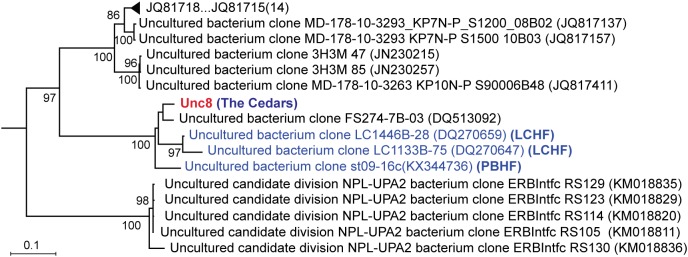
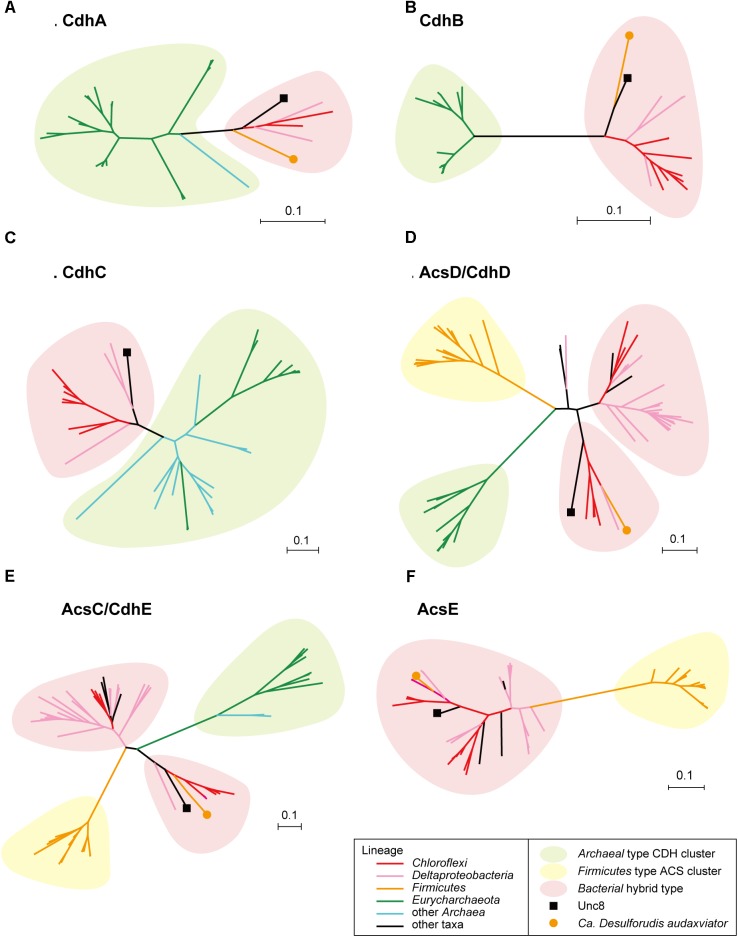
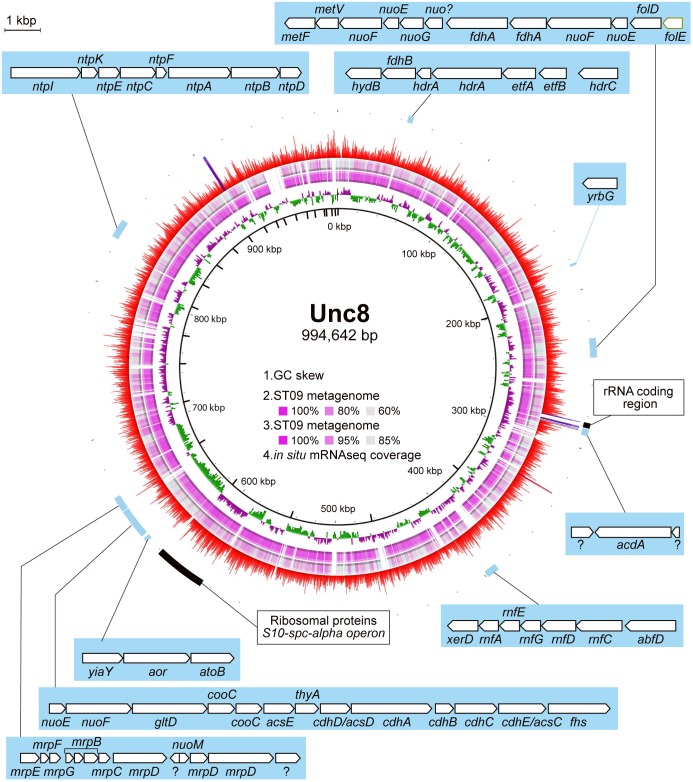
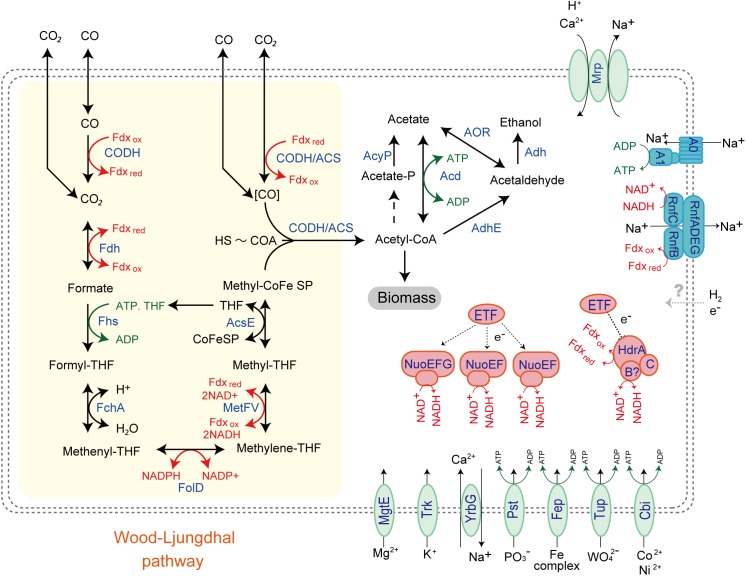
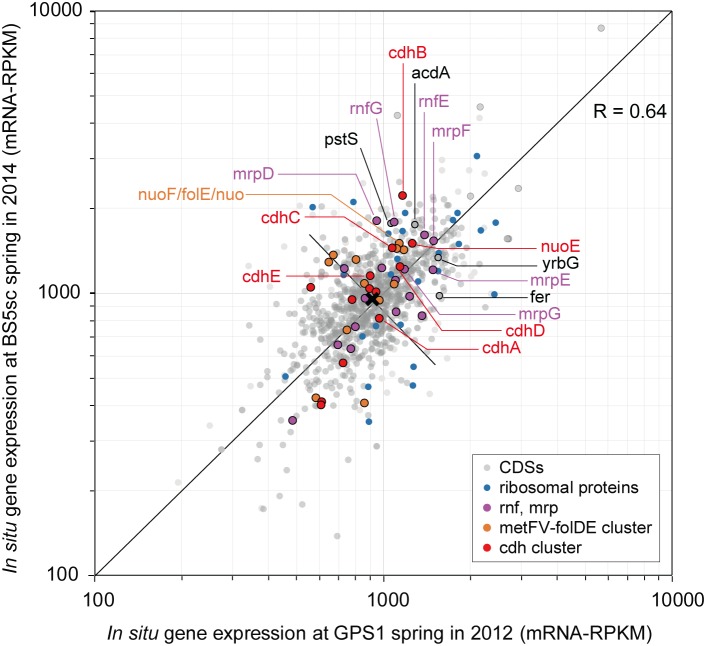
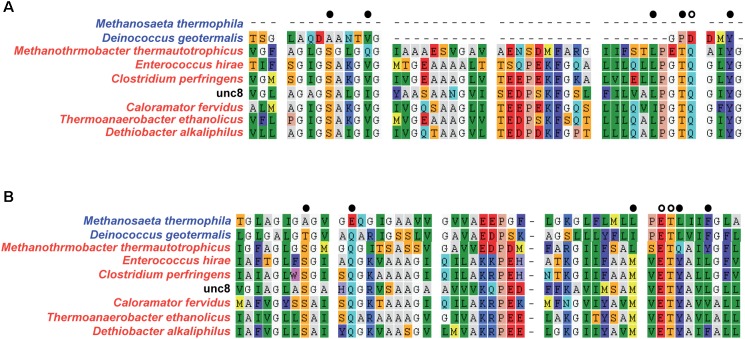
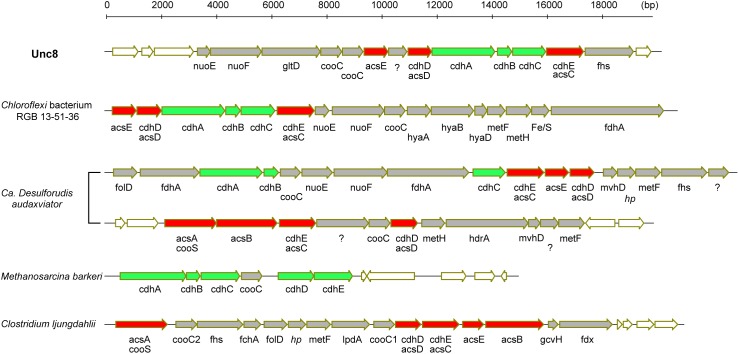
Serpentinization is a process whereby water interacts with reduced mantle rock called peridotite to produce a new suite of minerals (e.g., serpentine), a highly alkaline fluid, and hydrogen. In previous reports, we identified abundance of microbes of the candidate phylum NPL-UPA2 in a serpentinization site called The Cedars. Here, we report the first metagenome assembled genome (MAG) of the candidate phylum as well as the gene expression. The MAG of the phylum NPL-UPA2, named Unc8, is only about 1 Mbp and its biosynthetic properties suggest it should be capable of independent growth. In keeping with the highly reducing niche of Unc8, its genome encodes none of the known oxidative stress response genes including superoxide dismutases. With regard to energy metabolism, the MAG of Unc8 encodes all enzymes for Wood-Ljungdahl acetogenesis pathway, a ferredoxin:NAD oxidoreductase (Rnf) and electron carriers for flavin-based electron bifurcation (Etf, Hdr). Furthermore, the transcriptome of Unc8 in the waters of The Cedars showed enhanced levels of gene expression in the key enzymes of the Wood-Ljungdahl pathway [e.g., Carbon monoxide dehydrogenase /Acetyl-CoA synthase complex (CODH/ACS), Rnf, Acetyl-CoA synthetase (Acd)], which indicated that the Unc8 is an acetogen. However, the MAG of Unc8 encoded no well-known hydrogenase genes, suggesting that the energy metabolism of Unc8 might be focused on CO as the carbon and energy sources for the acetate formation. Given that CO could be supplied via abiotic reaction associated with deep subsurface serpentinization, while available CO would be at extremely low concentrations in this high pH environment, CO-associated metabolism could provide advantageous approach. The CODH/ACS in Unc8 is a Bacteria/Archaea hybrid type of six-subunit complex and the electron carriers, Etf and Hdr, showed the highest similarity to those in Archaea, suggesting that archaeal methanogenic energy metabolism was incorporated into the bacterial acetogenesis in NPL-UPA2. Given that serpentinization systems are viewed as potential habitats for early life, and that acetogenesis via the Wood-Ljungdahl pathway is proposed as an energy metabolism of Last Universal Common Ancestor, a phylogenetically distinct acetogen from an early earth analog site may provide important insights in primordial lithotrophs and their habitat.
蛇纹石化作用是一个过程,在此过程中,水与一种名为橄榄岩的还原型地幔岩石相互作用,产生一组新的矿物(如蛇纹石)、一种高碱性流体和氢气。在之前的报告中,我们在一个名为锡达山的蛇纹石化地点发现了大量候选门NPL - UPA2的微生物。在此,我们报告了该候选门的首个宏基因组组装基因组(MAG)以及基因表达情况。NPL - UPA2门的MAG名为Unc8,大小约为1兆碱基对,其生物合成特性表明它应该能够独立生长。与Unc8所处的高度还原生态位一致,其基因组中没有编码任何已知的氧化应激反应基因,包括超氧化物歧化酶。在能量代谢方面,Unc8的MAG编码了伍德 - Ljungdahl产乙酸途径的所有酶、一种铁氧化还原蛋白:NAD氧化还原酶(Rnf)以及基于黄素的电子分叉的电子载体(Etf、Hdr)。此外,锡达山水体中Unc8的转录组显示,伍德 - Ljungdahl途径关键酶(如一氧化碳脱氢酶/乙酰辅酶A合成酶复合物(CODH/ACS)、Rnf、乙酰辅酶A合成酶(Acd))的基因表达水平有所提高,这表明Unc8是一种产乙酸菌。然而,Unc8的MAG没有编码任何已知的氢化酶基因,这表明Unc8的能量代谢可能集中在以CO作为形成乙酸的碳源和能源上。鉴于CO可以通过与深部地下蛇纹石化作用相关的非生物反应提供,而在这种高pH环境中,可用的CO浓度会极低,与CO相关的代谢可能提供了一种有利的途径。Unc8中的CODH/ACS是一种细菌/古菌混合型的六亚基复合物,电子载体Etf和Hdr与古菌中的最为相似,这表明古菌的产甲烷能量代谢被纳入了NPL - UPA2中的细菌产乙酸过程。鉴于蛇纹石化系统被视为早期生命的潜在栖息地,并且通过伍德 - Ljungdahl途径的产乙酸作用被认为是最后共同祖先的能量代谢方式,一个来自早期地球类似地点的系统发育上独特的产乙酸菌可能为原始化能营养生物及其栖息地提供重要的见解。