Department of Neurosurgery in Xiangya Hospital, Central South University, Changsha, China.
Center for Inflammation and Epigenetics, Houston Methodist Research Institute, Houston, TX, United States.
Front Immunol. 2018 Dec 21;9:2924. doi: 10.3389/fimmu.2018.02924. eCollection 2018.
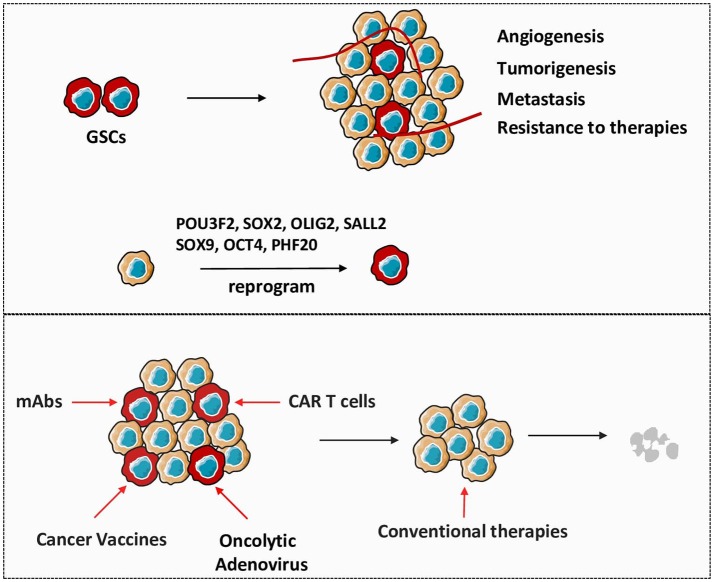
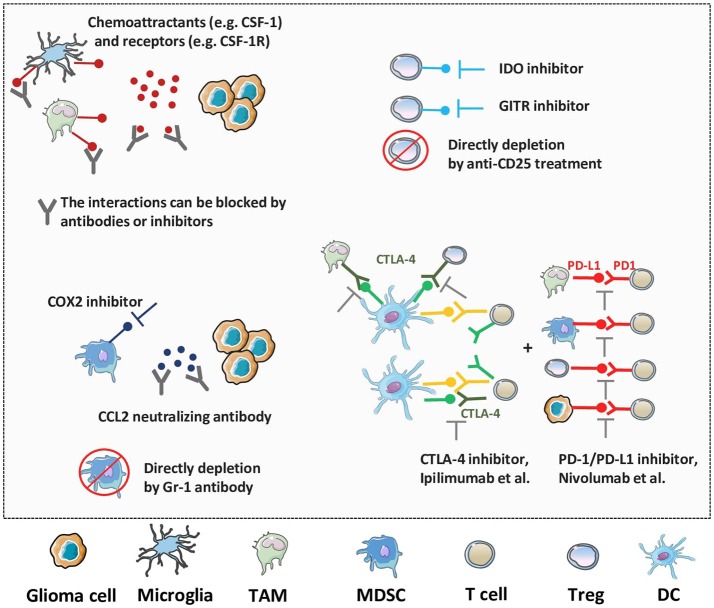
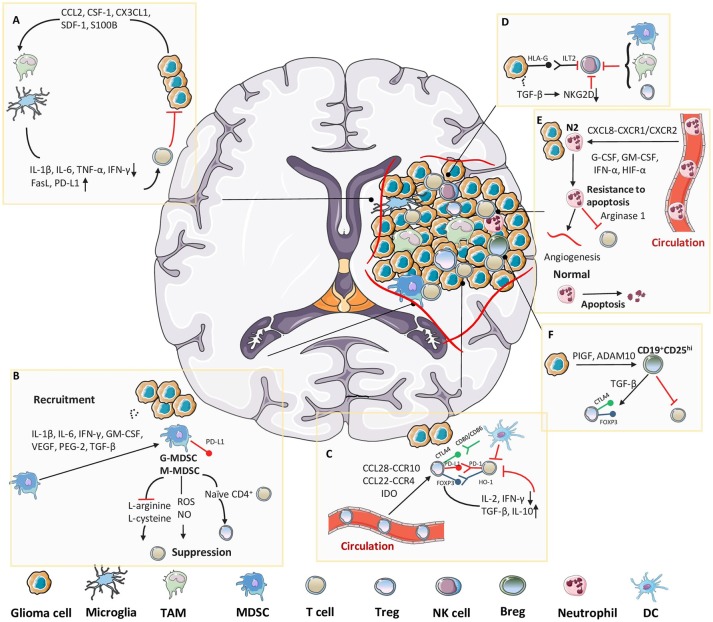
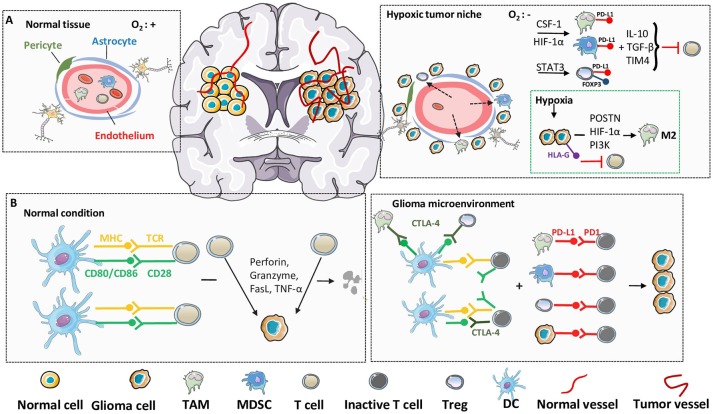
Glioma is one of the most common malignant tumors of the central nervous system and is characterized by extensive infiltrative growth, neovascularization, and resistance to various combined therapies. In addition to heterogenous populations of tumor cells, the glioma stem cells (GSCs) and other nontumor cells present in the glioma microenvironment serve as critical regulators of tumor progression and recurrence. In this review, we discuss the role of several resident or peripheral factors with distinct tumor-promoting features and their dynamic interactions in the development of glioma. Localized antitumor factors could be silenced or even converted to suppressive phenotypes, due to stemness-related cell reprogramming and immunosuppressive mediators in glioma-derived microenvironment. Furthermore, we summarize the latest knowledge on GSCs and key microenvironment components, and discuss the emerging immunotherapeutic strategies to cure this disease.
胶质瘤是中枢神经系统最常见的恶性肿瘤之一,其特征为广泛浸润性生长、新生血管形成以及对各种联合治疗的抵抗。除了肿瘤细胞的异质性群体外,胶质瘤微环境中存在的胶质瘤干细胞(GSCs)和其他非肿瘤细胞也作为肿瘤进展和复发的关键调节因子。在这篇综述中,我们讨论了几种具有不同促肿瘤特征的固有或外周因子的作用及其在胶质瘤发生发展中的动态相互作用。由于胶质瘤来源的微环境中存在与干细胞相关的细胞重编程和免疫抑制介质,局部抗肿瘤因子可能被沉默,甚至被转化为抑制表型。此外,我们总结了 GSCs 和关键微环境成分的最新知识,并讨论了治愈这种疾病的新兴免疫治疗策略。