VCU Life Sciences, Virginia Commonwealth University, Richmond, VA, United States.
Department of Biology, Virginia Commonwealth University, Richmond, VA, United States.
Front Immunol. 2018 Dec 18;9:3026. doi: 10.3389/fimmu.2018.03026. eCollection 2018.
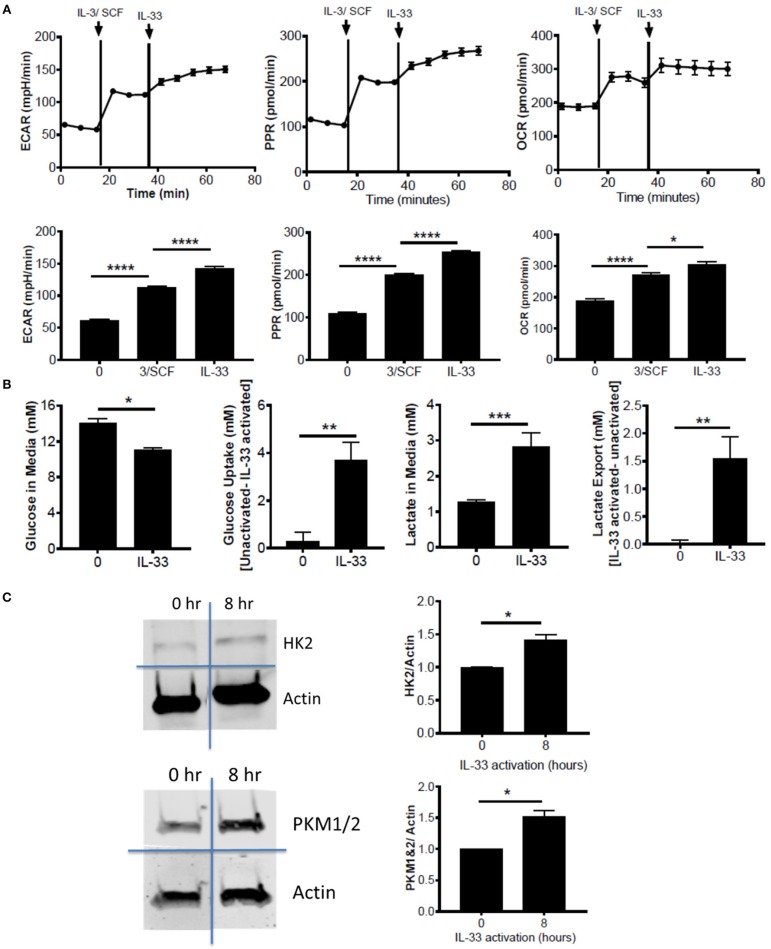
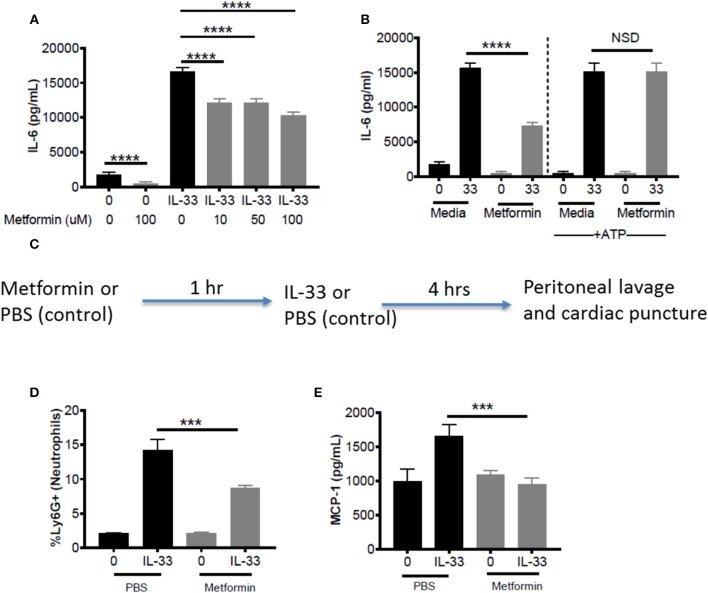
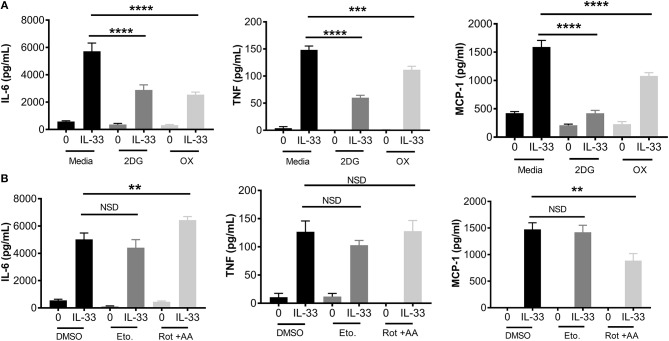
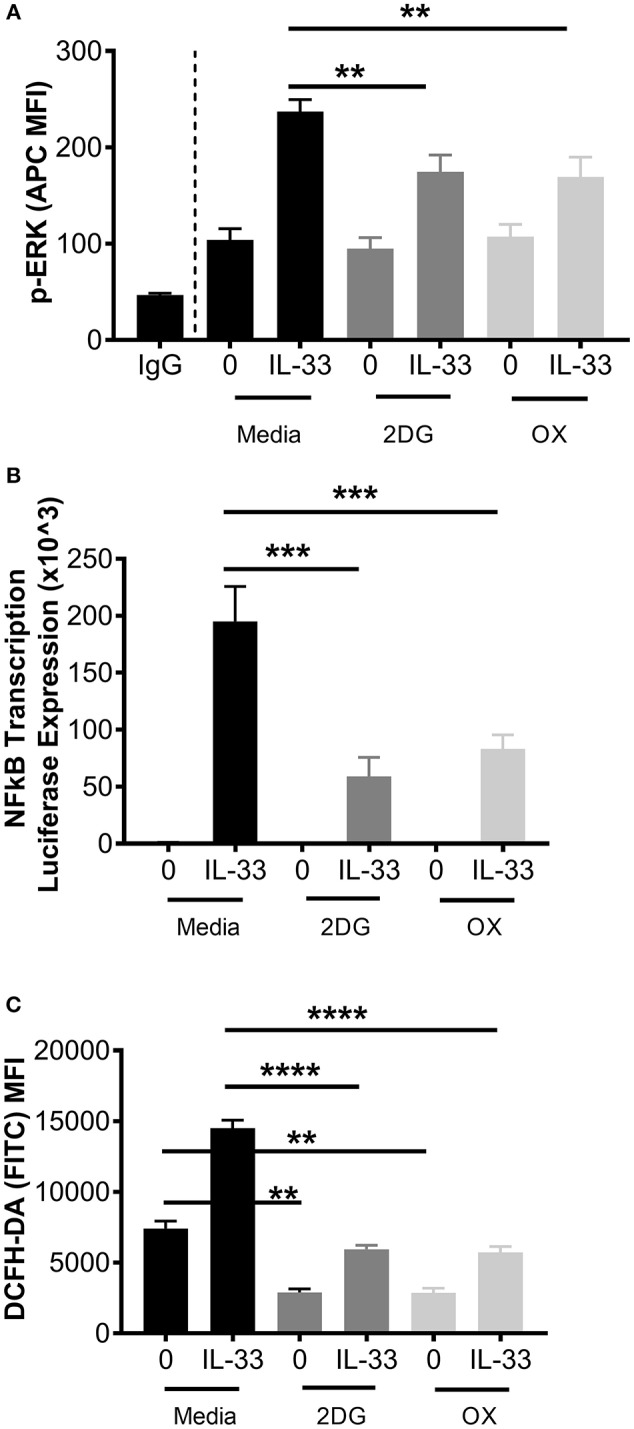
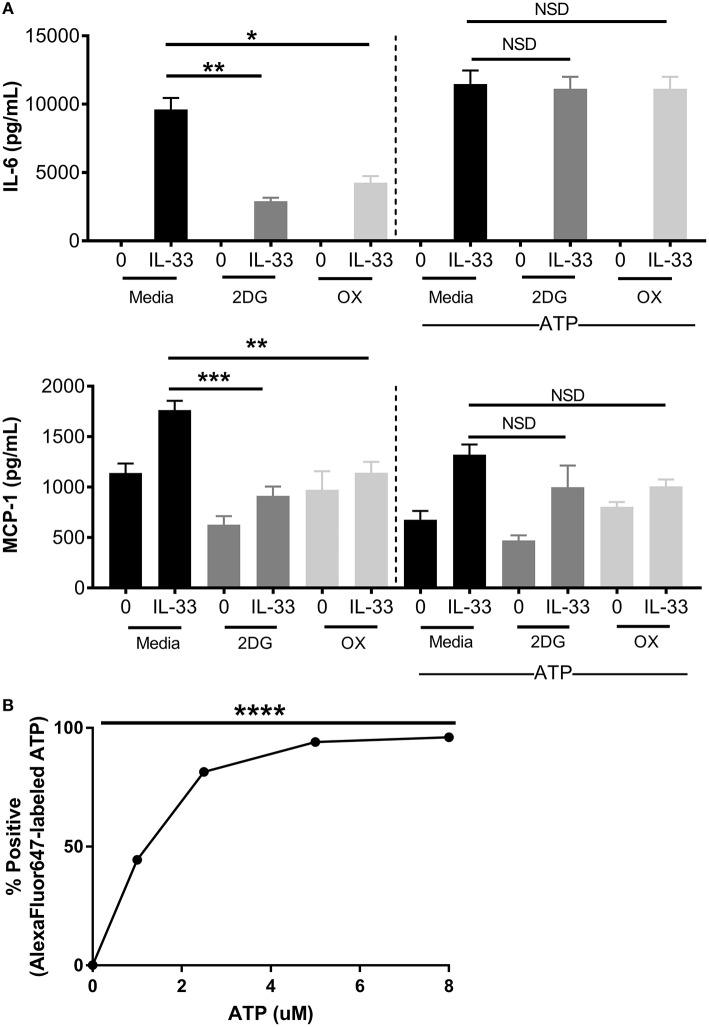
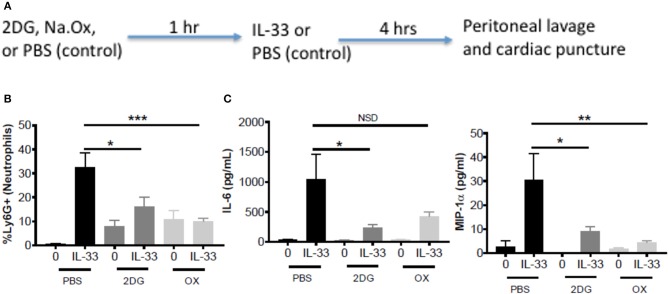
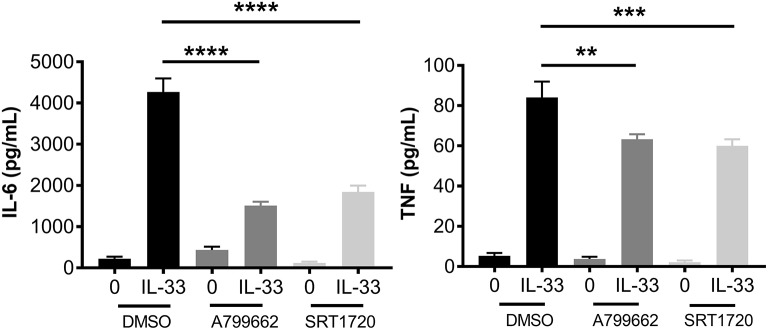
Cellular metabolism and energy sensing pathways are closely linked to inflammation, but there is little understanding of how these pathways affect mast cell function. Mast cells are major effectors of allergy and asthma, and can be activated by the alarmin IL-33, which is linked to allergic disease. Therefore, we investigated the metabolic requirements for IL-33-induced mast cell function, to identify targets for controlling inflammation. We found that IL-33 increases glycolysis, glycolytic protein expression, and oxidative phosphorylation (OX PHOS). Inhibiting OX PHOS had little effect on cytokine production, but antagonizing glycolysis with 2-deoxyglucose or oxamate suppressed inflammatory cytokine production and . ATP reversed this suppression. Glycolytic blockade suppressed IL-33 signaling, including ERK phosphorylation, NFκB transcription, and ROS production , and suppressed IL-33-induced neutrophil recruitment . To test a clinically relevant way to modulate these pathways, we examined the effects of the FDA-approved drug metformin on IL-33 activation. Metformin activates AMPK, which suppresses glycolysis in immune cells. We found that metformin suppressed cytokine production and , effects that were reversed by ATP, mimicking the actions of the glycolytic inhibitors we tested. These data suggest that glycolytic ATP production is important for IL-33-induced mast cell activation, and that targeting this pathway may be useful in allergic disease.
细胞代谢和能量感应途径与炎症密切相关,但人们对这些途径如何影响肥大细胞功能知之甚少。肥大细胞是过敏和哮喘的主要效应细胞,可被警报素 IL-33 激活,而 IL-33 与过敏疾病有关。因此,我们研究了 IL-33 诱导的肥大细胞功能的代谢需求,以确定控制炎症的靶点。我们发现,IL-33 增加了糖酵解、糖酵解蛋白表达和氧化磷酸化(OX PHOS)。抑制 OX PHOS 对细胞因子的产生几乎没有影响,但用 2-脱氧葡萄糖或氨基乙二酸拮抗糖酵解可抑制炎症细胞因子的产生和 。ATP 逆转了这种抑制。糖酵解阻断抑制了 IL-33 信号通路,包括 ERK 磷酸化、NFκB 转录和 ROS 产生 ,并抑制了 IL-33 诱导的中性粒细胞募集 。为了测试一种临床相关的调节这些途径的方法,我们检查了 FDA 批准的药物二甲双胍对 IL-33 激活的影响。二甲双胍激活 AMPK,抑制免疫细胞中的糖酵解。我们发现二甲双胍抑制了细胞因子的产生 ,这些作用被 ATP 逆转,类似于我们测试的糖酵解抑制剂的作用。这些数据表明,糖酵解 ATP 的产生对于 IL-33 诱导的肥大细胞激活很重要,靶向该途径可能对过敏疾病有用。