Strobbe Simon, De Lepeleire Jolien, Van Der Straeten Dominique
Laboratory of Functional Plant Biology, Department of Biology, Ghent University, Ghent, Belgium.
Front Plant Sci. 2018 Dec 18;9:1862. doi: 10.3389/fpls.2018.01862. eCollection 2018.
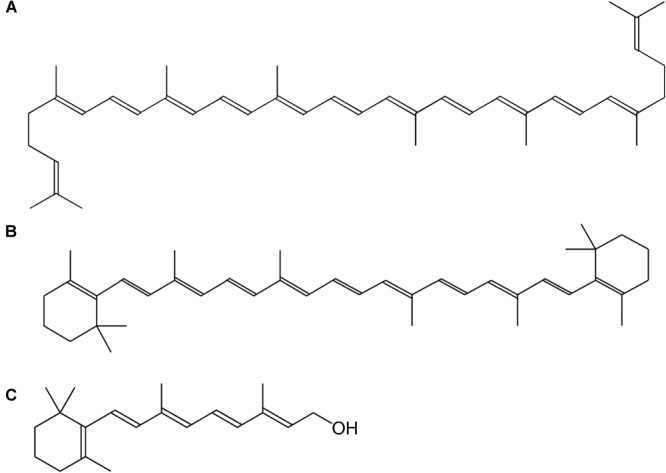
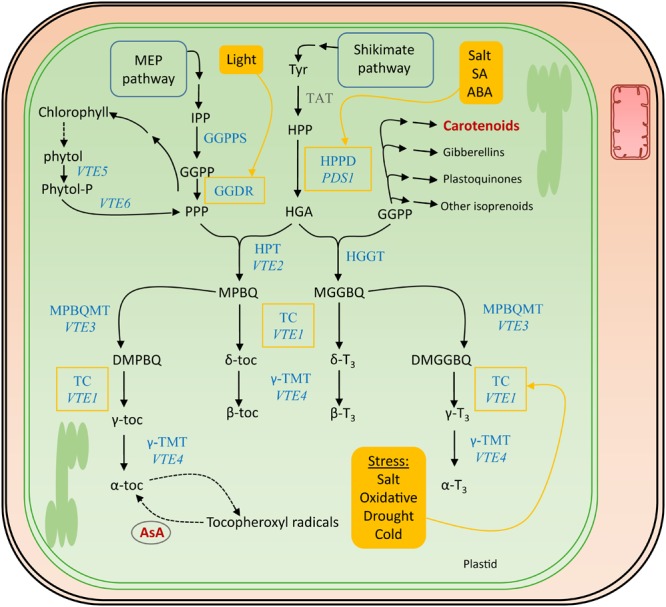
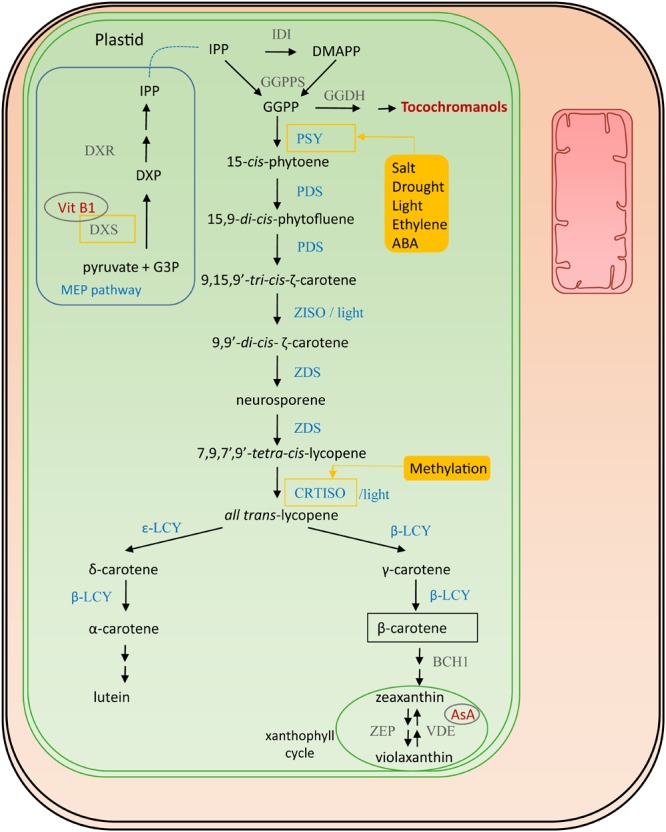
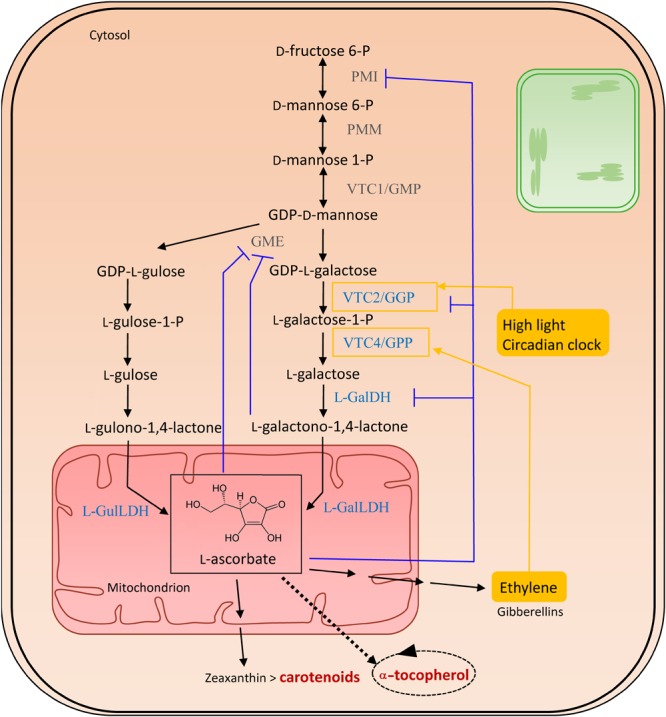
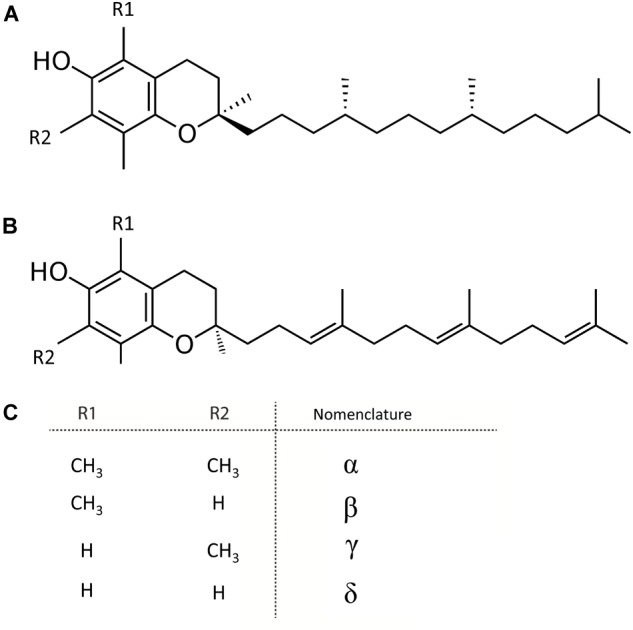
Humans are highly dependent on plants to reach their dietary requirements, as plant products contribute both to energy and essential nutrients. For many decades, plant breeders have been able to gradually increase yields of several staple crops, thereby alleviating nutritional needs with varying degrees of success. However, many staple crops such as rice, wheat and corn, although delivering sufficient calories, fail to satisfy micronutrient demands, causing the so called 'hidden hunger.' Biofortification, the process of augmenting nutritional quality of food through the use of agricultural methodologies, is a pivotal asset in the fight against micronutrient malnutrition, mainly due to vitamin and mineral deficiencies. Several technical advances have led to recent breakthroughs. Nutritional genomics has come to fruition based on marker-assisted breeding enabling rapid identification of micronutrient related quantitative trait loci (QTL) in the germplasm of interest. As a complement to these breeding techniques, metabolic engineering approaches, relying on a continuously growing fundamental knowledge of plant metabolism, are able to overcome some of the inevitable pitfalls of breeding. Alteration of micronutrient levels does also require fundamental knowledge about their role and influence on plant growth and development. This review focuses on our knowledge about provitamin A (beta-carotene), vitamin C (ascorbate) and the vitamin E group (tocochromanols). We begin by providing an overview of the functions of these vitamins , followed by highlighting some of the achievements in the nutritional enhancement of food crops via conventional breeding and genetic modification, concluding with an evaluation of the need for such biofortification interventions. The review further elaborates on the vast potential of creating nutritionally enhanced crops through multi-pathway engineering and the synergistic potential of conventional breeding in combination with genetic engineering, including the impact of novel genome editing technologies.
人类高度依赖植物来满足其饮食需求,因为植物产品既提供能量又提供必需营养素。几十年来,植物育种者已经能够逐步提高几种主要作物的产量,从而在不同程度上成功缓解了营养需求。然而,许多主要作物,如水稻、小麦和玉米,虽然能提供足够的热量,但却无法满足微量营养素的需求,导致了所谓的“隐性饥饿”。生物强化是通过农业方法提高食物营养质量的过程,是对抗微量营养素营养不良的关键手段,主要是由于维生素和矿物质缺乏。一些技术进步带来了最近的突破。基于标记辅助育种的营养基因组学已经取得成果,能够快速鉴定感兴趣种质中与微量营养素相关的数量性状位点(QTL)。作为这些育种技术的补充,代谢工程方法依靠对植物代谢不断增长的基础知识,能够克服育种中一些不可避免的缺陷。改变微量营养素水平也需要了解它们在植物生长发育中的作用和影响的基础知识。本综述重点关注我们对维生素A原(β-胡萝卜素)、维生素C(抗坏血酸)和维生素E组(生育三烯酚)的了解。我们首先概述这些维生素的功能,接着强调通过传统育种和基因改造在提高粮食作物营养方面取得的一些成就,最后评估此类生物强化干预措施的必要性。本综述进一步阐述了通过多途径工程培育营养增强型作物的巨大潜力,以及传统育种与基因工程相结合的协同潜力,包括新型基因组编辑技术的影响。