Ahmedova Anife
Laboratory of Biocoordination and Bioanalytical Chemistry, Faculty of Chemistry and Pharmacy, Sofia University, Sofia, Bulgaria.
Front Chem. 2018 Dec 14;6:620. doi: 10.3389/fchem.2018.00620. eCollection 2018.
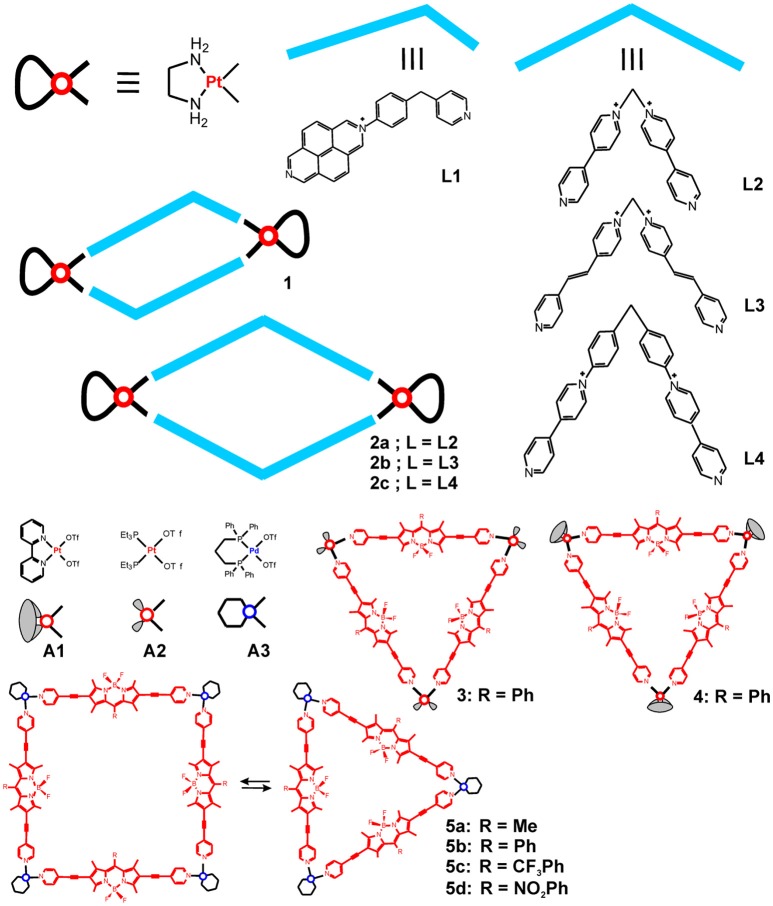
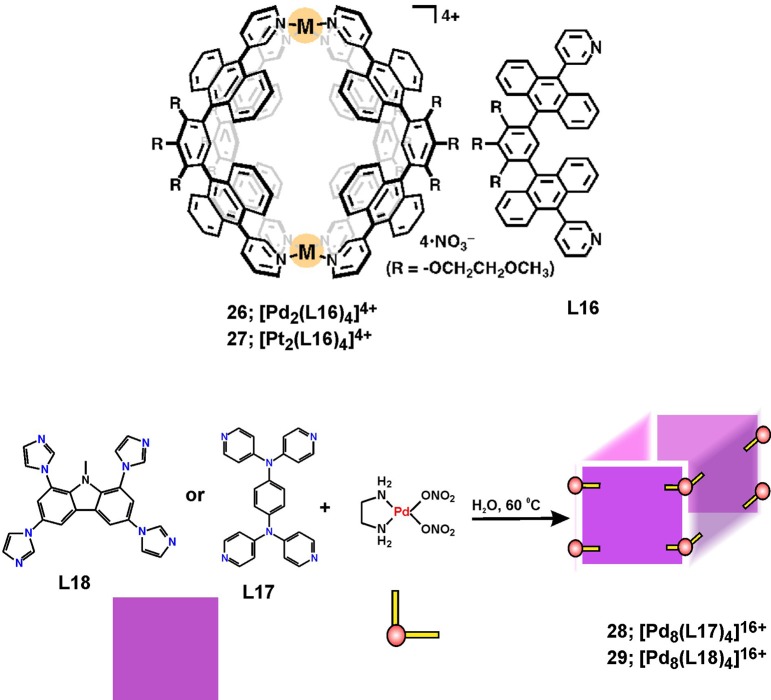
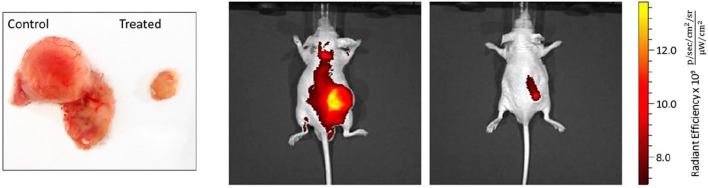
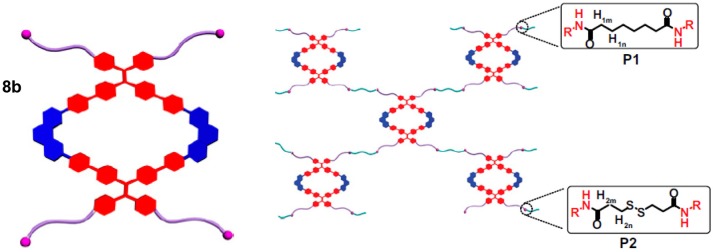
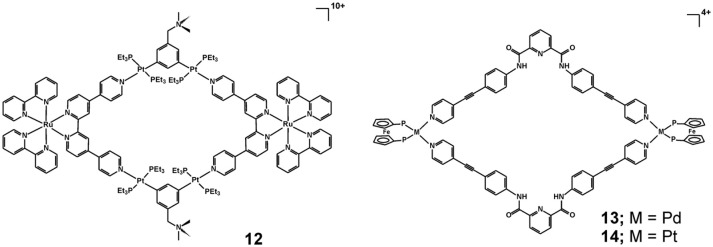
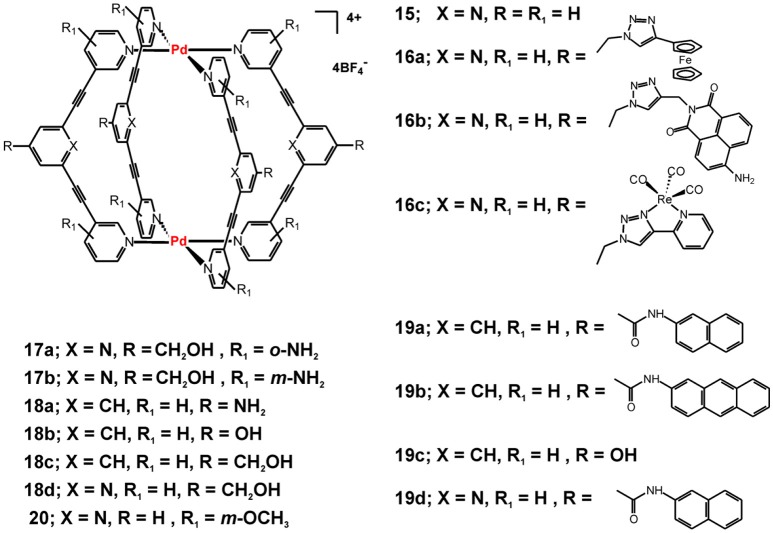
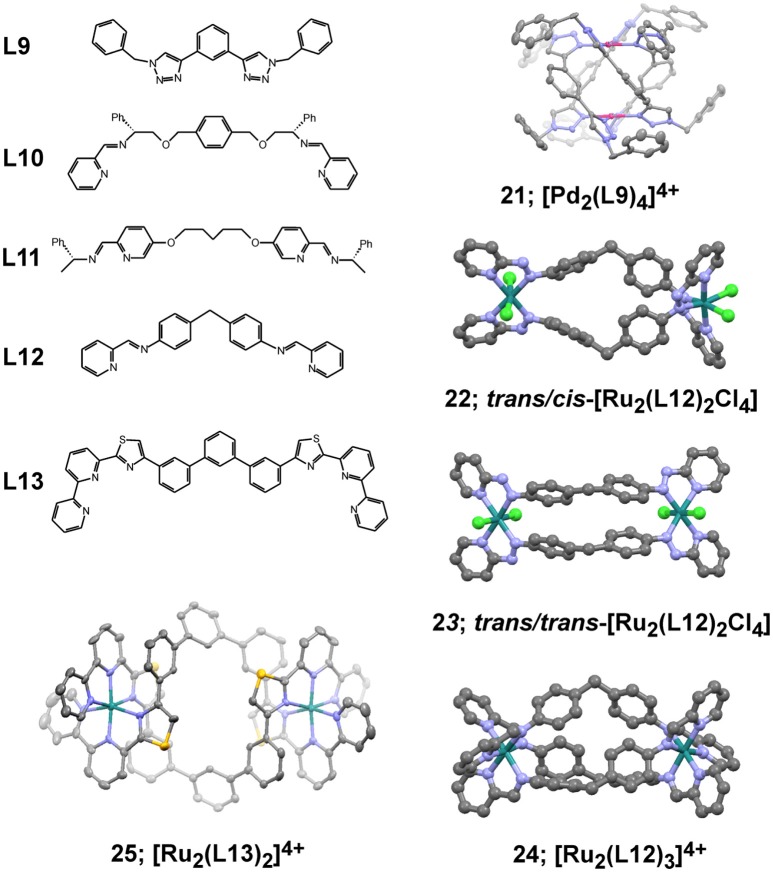
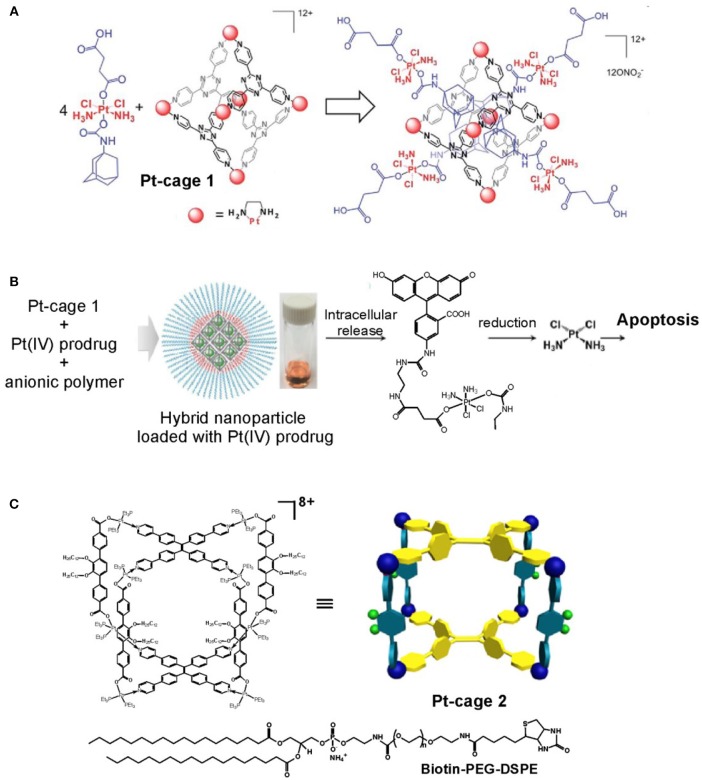
The design and development of metallosupramolecular systems has resulted in construction of a myriad of fascinating structures with highly diverse properties and potential applications. Assessment of the biomedical applications of metallosupramolecular assemblies is an emerging field of research that stems from the recently demonstrated promising results on such systems. After the pioneering works of Therrien and coworkers on organometallic Ru-cages with promising anticancer properties, this topic has evolved to the more recent studies on bioactivity of supramolecular coordination complexes built from different metal ions and various multidentate ligands. Sufficient amount of data on the anticancer activity of metallosupramolecules has already been reported and allows outlining some general tendencies in the structural aspects of the biological activity. The main structural properties of the complexes that can be readily modified to enhance their activity are the size, the shape and charge of the formed complexes. Moreover, the intrinsic properties of the building components could predetermine some of the main characteristics of the overall supramolecular complex, such as its optical properties, chemical reactivity, solubility, etc., and could, thereby, define the areas of its biomedical applications. The unique structural property of most of the metallosupramolecular assemblies, however, is the presence of a discrete cavity that renders a whole range of additional applications resulting from specific host-guest interactions. The encapsulations of small bioactive or fluorescent molecules have been employed for delivery or recognition purposes in many examples. On the other hand, metallosupramolecules have been imbedded into target-specific polymeric nanoparticles that resulted in a successful combination of their therapeutic and diagnostic properties, making them promising for theranostic application in cancer treatment. The aim of this review paper is to mark out some key tendencies in the reported metallosupramolecular structures in relation with their biological activity and potential areas of biomedical application. In this way, a useful set of guidelines can be delineated to help synthetic chemists broaden the application areas of their supramolecular systems by few structural changes.
金属超分子体系的设计与开发已促成了无数具有高度多样性质和潜在应用的迷人结构的构建。对金属超分子组装体生物医学应用的评估是一个新兴的研究领域,它源于近期在此类体系上展示出的有前景的成果。在Therrien及其同事关于具有潜在抗癌特性的有机金属钌笼的开创性工作之后,这个主题已发展到对由不同金属离子和各种多齿配体构建的超分子配位复合物生物活性的最新研究。已经报道了大量关于金属超分子抗癌活性的数据,并能勾勒出生物活性结构方面的一些一般趋势。可以容易地进行修饰以增强其活性的配合物的主要结构性质是所形成配合物的尺寸、形状和电荷。此外,构建组分的固有性质可以预先确定整个超分子配合物的一些主要特征,例如其光学性质、化学反应性、溶解性等,从而可以定义其生物医学应用领域。然而,大多数金属超分子组装体的独特结构性质是存在一个离散的空腔,这使得由于特定的主客体相互作用而产生了一系列额外的应用。在许多实例中,小的生物活性或荧光分子的包封已被用于递送或识别目的。另一方面,金属超分子已被嵌入到靶向特定的聚合物纳米颗粒中,这导致了它们的治疗和诊断性质的成功结合,使其有望用于癌症治疗的诊疗应用。这篇综述文章的目的是指出所报道的金属超分子结构与其生物活性和生物医学应用潜在领域相关的一些关键趋势。通过这种方式,可以勾勒出一组有用的指导方针,以帮助合成化学家通过少量结构变化拓宽其超分子体系的应用领域。