Luna Jesus I, Grossenbacher Steven K, Sturgill Ian R, Ames Erik, Judge Sean J, Bouzid Lyes A, Darrow Morgan A, Murphy William J, Canter Robert J
Department of Dermatology, University of California Davis Medical Center, Sacramento, CA 95817, USA.
Department of Surgery, Division of Surgical Oncology, University of California Davis Medical Center, Sacramento, CA 95817, USA.
Cancers (Basel). 2019 Jan 14;11(1):85. doi: 10.3390/cancers11010085.
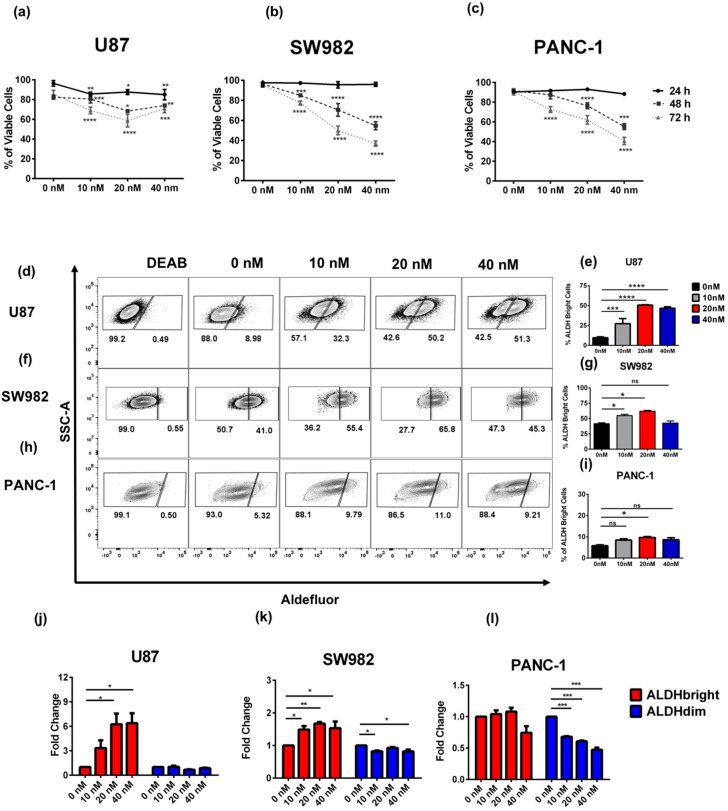
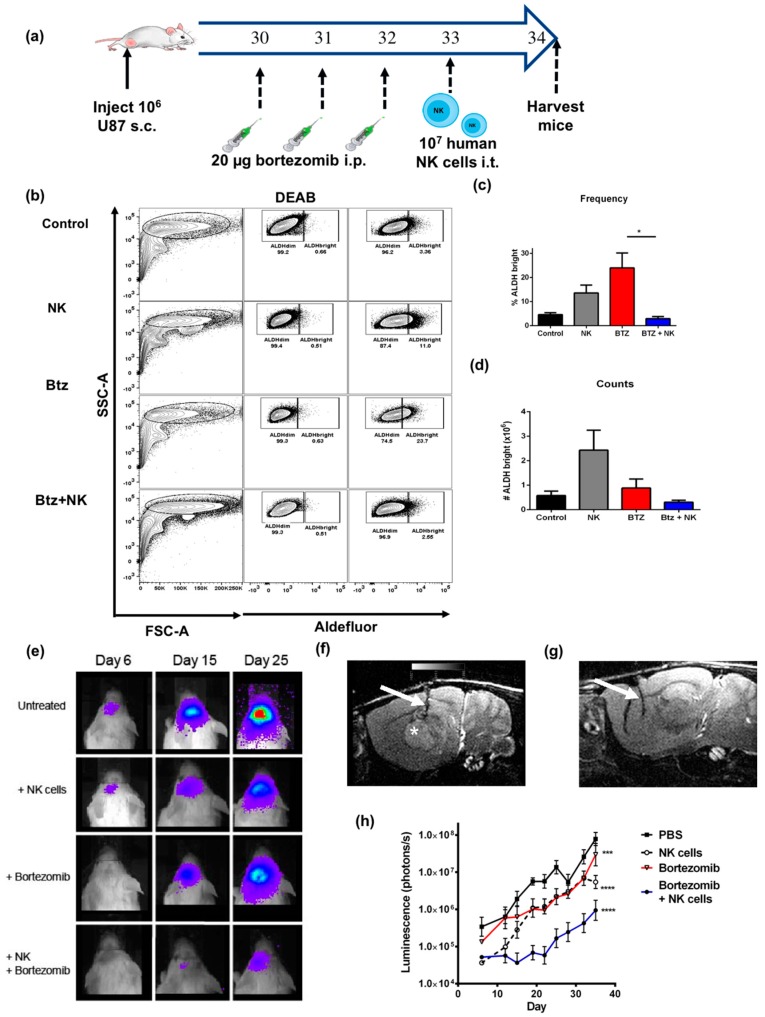
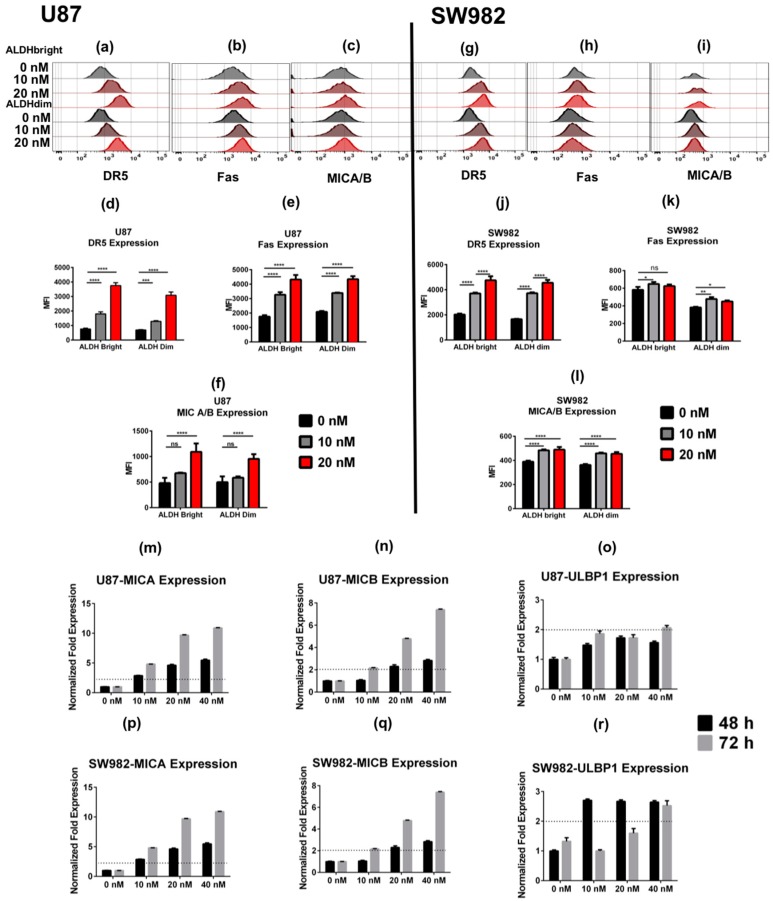
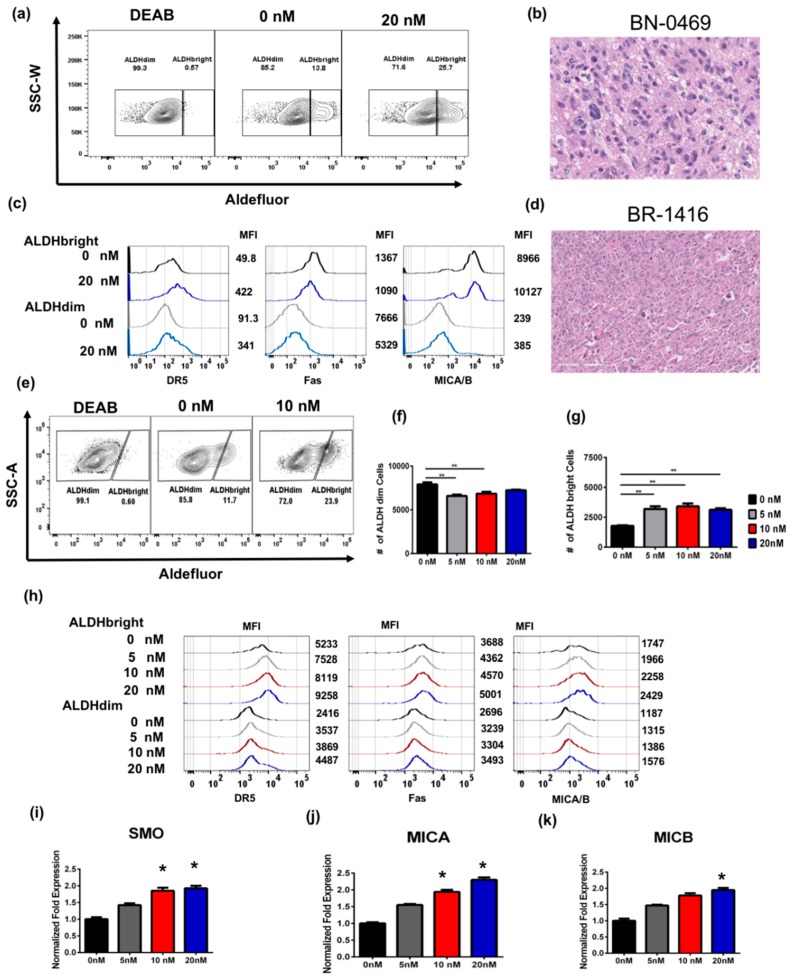
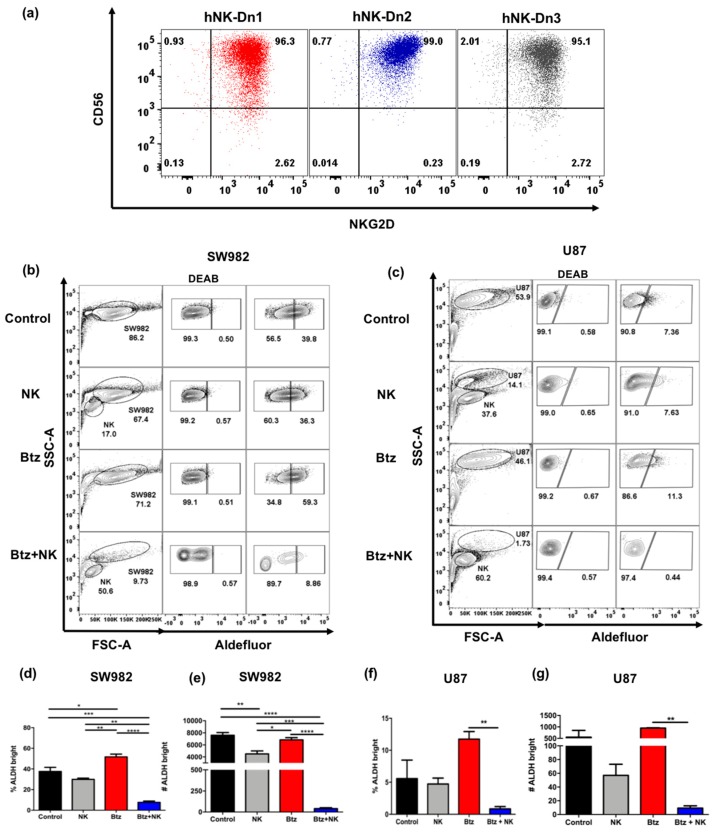
Tumor cells harboring stem-like/cancer stem cell (CSC) properties have been identified and isolated from numerous hematological and solid malignancies. These stem-like tumor cells can persist following conventional cytoreductive therapies, such as chemotherapy and radiotherapy, thereby repopulating the tumor and seeding relapse and/or metastasis. We have previously shown that natural killer (NK) cells preferentially target stem-like tumor cells via non- major histocompatibility complex (MHC) restricted mechanisms. Here, we demonstrated that the proteasome inhibitor, bortezomib, augments NK cell targeting of stem cell-like tumor cells against multiple solid human tumor-derived cancer lines and primary tissue samples. Mechanistically, this was mediated by the upregulation of cell surface NK ligands MHC class I chain-related protein A and B (MICA and MICB) on aldehyde dehydrogenases (ALDH)-positive CSCs. The increased expression of MICA and MICB on CSC targets thereby enhanced NK cell mediated killing in vitro and ex vivo from both human primary tumor and patient-derived xenograft samples. In vivo, the combination of bortezomib and allogeneic NK cell adoptive transfer in immunodeficient mice led to increased elimination of CSCs as well as tumor growth delay of orthotopic glioblastoma tumors. Taken together, our data support the combination bortezomib and NK transfer as a strategy for both CSC targeting and potentially improved outcomes in clinical cancer patients.
具有干细胞样/癌症干细胞(CSC)特性的肿瘤细胞已从多种血液系统恶性肿瘤和实体瘤中被鉴定和分离出来。这些干细胞样肿瘤细胞在传统的细胞减灭疗法(如化疗和放疗)后仍可存活,从而使肿瘤重新生长并引发复发和/或转移。我们之前已经表明,自然杀伤(NK)细胞通过非主要组织相容性复合体(MHC)限制机制优先靶向干细胞样肿瘤细胞。在此,我们证明蛋白酶体抑制剂硼替佐米可增强NK细胞对多种人类实体瘤来源的癌细胞系和原代组织样本中干细胞样肿瘤细胞的靶向作用。从机制上讲,这是由醛脱氢酶(ALDH)阳性CSC上细胞表面NK配体MHC I类链相关蛋白A和B(MICA和MICB)的上调介导的。CSC靶标上MICA和MICB表达的增加从而增强了NK细胞在体外和体内(来自人类原发性肿瘤和患者来源的异种移植样本)介导的杀伤作用。在体内,硼替佐米与同种异体NK细胞过继性转移联合应用于免疫缺陷小鼠,导致CSC的清除增加以及原位胶质母细胞瘤肿瘤的生长延迟。综上所述,我们的数据支持硼替佐米与NK细胞转移联合应用作为一种靶向CSC以及可能改善临床癌症患者预后的策略。