Siraj Abdul Khalid, Pratheeshkumar Poyil, Parvathareddy Sandeep Kumar, Divya Sasidharan Padmaja, Al-Dayel Fouad, Tulbah Asma, Ajarim Dahish, Al-Kuraya Khawla S
Human Cancer Genomic Research, King Faisal Specialist Hospital and Research Center, Riyadh, Saudi Arabia.
Department of Pathology, King Faisal Specialist Hospital and Research Centre, Riyadh, Saudi Arabia.
Oncotarget. 2018 Dec 18;9(99):37319-37332. doi: 10.18632/oncotarget.26470.
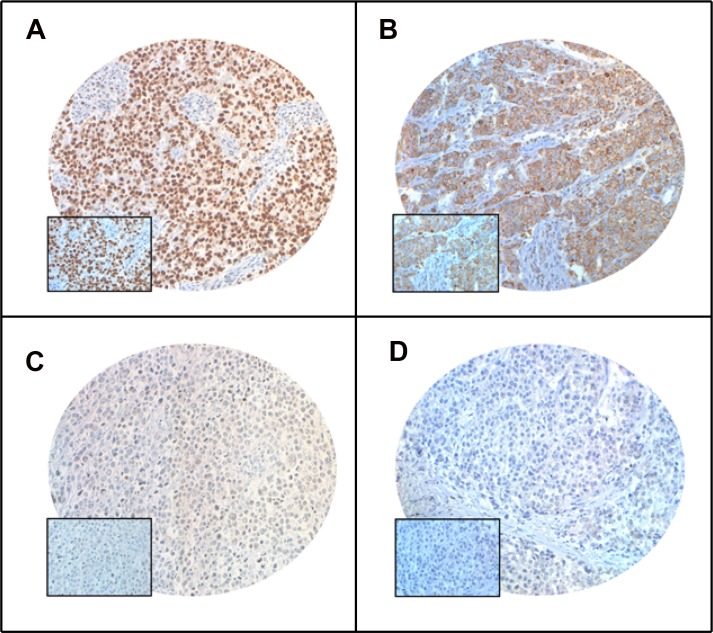
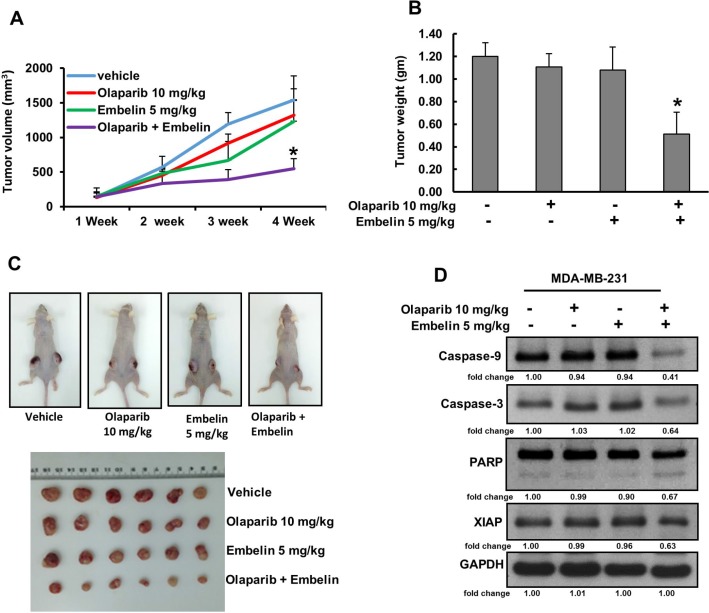
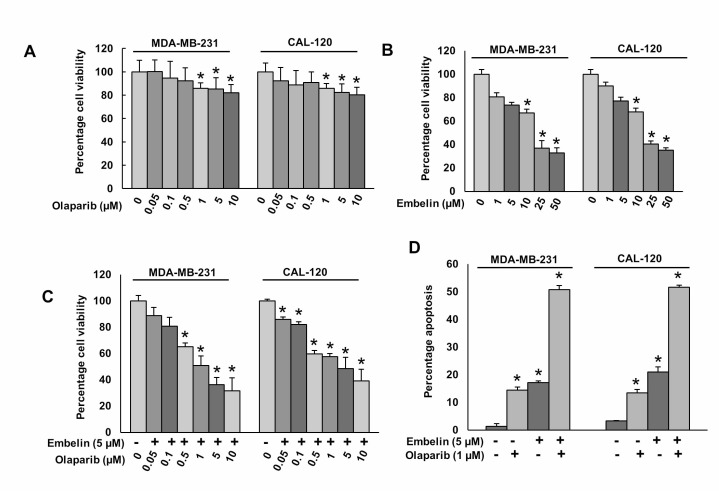
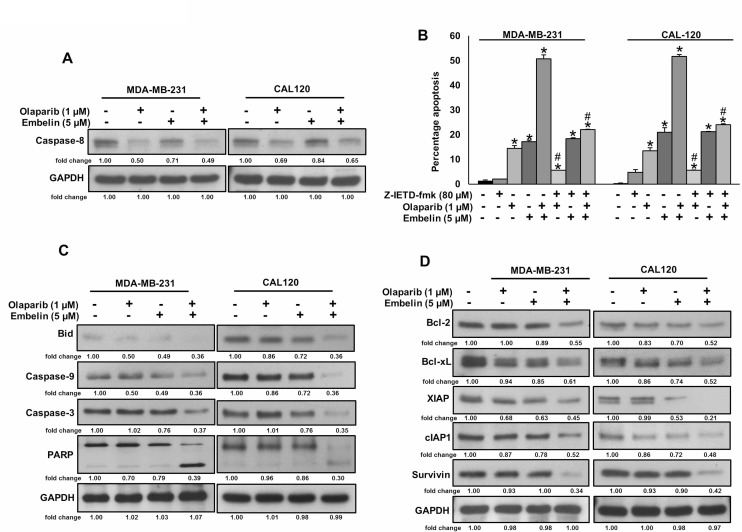
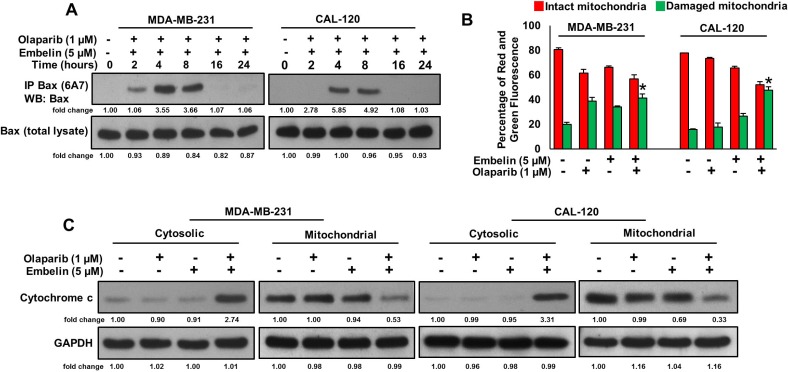
Patients with aggressive breast cancer (BC) subtypes usually don't have favorable prognosis despite the improvement in treatment modalities. These cancers still remain a major cause of morbidity and mortality in females. This has fostered a major effort to discover actionable molecular targets to treat these patients. Poly ADP ribose polymerase (PARP) is one of these molecular targets that are under comprehensive investigation for treatment of such tumors. However, its role in the pathogenesis of BC from Middle Eastern ethnicity has not yet been explored. Therefore, we examined the expression of PARP protein in a large cohort of over 1000 Middle Eastern BC cases by immunohistochemistry. Correlation with clinico-pathological parameters were performed. Nuclear PARP overexpression was observed in 44.7% of all BC cases and was significantly associated with aggressive clinico-pathological markers. Interestingly, nuclear PARP overexpression was an independent predictor of poor prognosis. PARP overexpression was also directly associated with XIAP overexpression, with PARP and XIAP co-expression in 15.8% (159/1008) of our cases. We showed that combined inhibition of PARP by olaparib and XIAP by embelin significantly and synergistically inhibited cell growth and induced apoptosis in BC cell lines. Finally, co-treatment of olaparib and embelin regressed BC xenograft tumor growth in nude mice. Our results revealed the role of PARP in Middle Eastern BC pathogenesis and prognosis. Furthermore, our data support the potential clinical development of combined inhibition of PARP and XIAP, which eventually could extend the utility of olaparib beyond BRCA deficient cancer.
侵袭性乳腺癌(BC)亚型的患者尽管治疗方式有所改进,但通常预后不佳。这些癌症仍然是女性发病和死亡的主要原因。这促使人们做出巨大努力来发现可用于治疗这些患者的可操作分子靶点。聚ADP核糖聚合酶(PARP)就是其中一个正在接受全面研究以治疗此类肿瘤的分子靶点。然而,其在中东族裔BC发病机制中的作用尚未得到探索。因此,我们通过免疫组织化学检测了1000多例中东BC病例的大样本队列中PARP蛋白的表达情况,并与临床病理参数进行了相关性分析。在所有BC病例中,44.7%观察到核PARP过表达,且与侵袭性临床病理标志物显著相关。有趣的是,核PARP过表达是预后不良的独立预测因素。PARP过表达还与XIAP过表达直接相关,在我们的病例中,PARP和XIAP共表达的比例为15.8%(159/1008)。我们发现,奥拉帕利对PARP的联合抑制以及 embelin 对 XIAP 的联合抑制在BC细胞系中显著且协同地抑制细胞生长并诱导凋亡。最后,奥拉帕利和 embelin 的联合治疗使裸鼠体内的BC异种移植肿瘤生长出现消退。我们的结果揭示了PARP在中东BC发病机制和预后中的作用。此外,我们的数据支持PARP和XIAP联合抑制的潜在临床开发,这最终可能将奥拉帕利的应用范围扩展到BRCA缺陷型癌症之外。