Sun Chaoyang, Fang Yong, Yin Jun, Chen Jian, Ju Zhenlin, Zhang Dong, Chen Xiaohua, Vellano Christopher P, Jeong Kang Jin, Ng Patrick Kwok-Shing, Eterovic Agda Karina B, Bhola Neil H, Lu Yiling, Westin Shannon N, Grandis Jennifer R, Lin Shiaw-Yih, Scott Kenneth L, Peng Guang, Brugge Joan, Mills Gordon B
Department of Systems Biology, University of Texas MD Anderson Cancer Center, Houston, TX 77030, USA.
Department of Obstetrics and Gynecology, Tongji Hospital, Tongji Medical College, Huazhong University of Science and Technology, Wuhan 430030, China.
Sci Transl Med. 2017 May 31;9(392). doi: 10.1126/scitranslmed.aal5148.
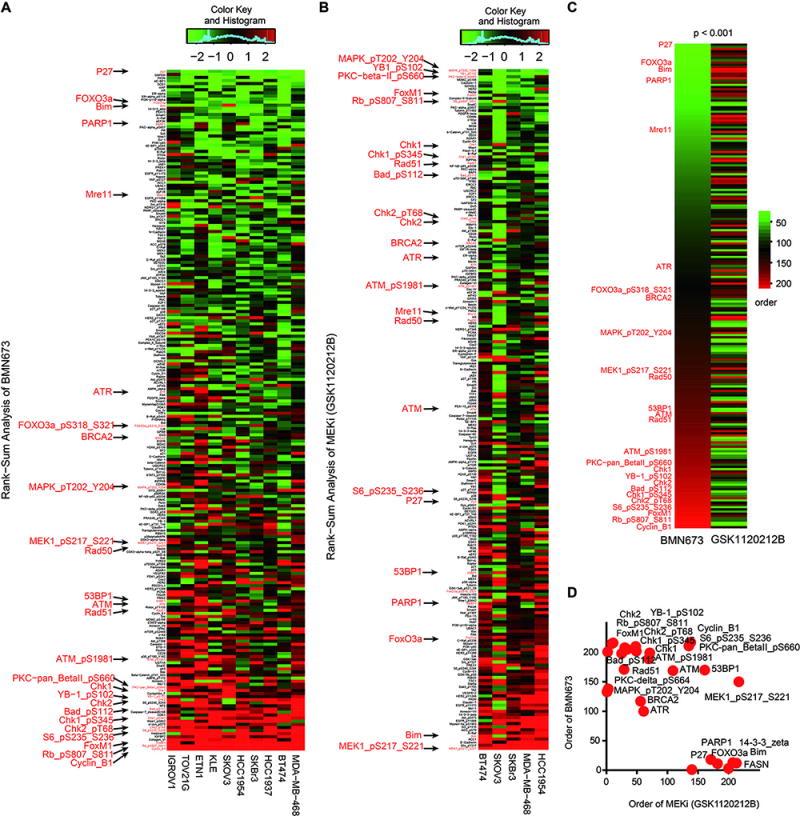
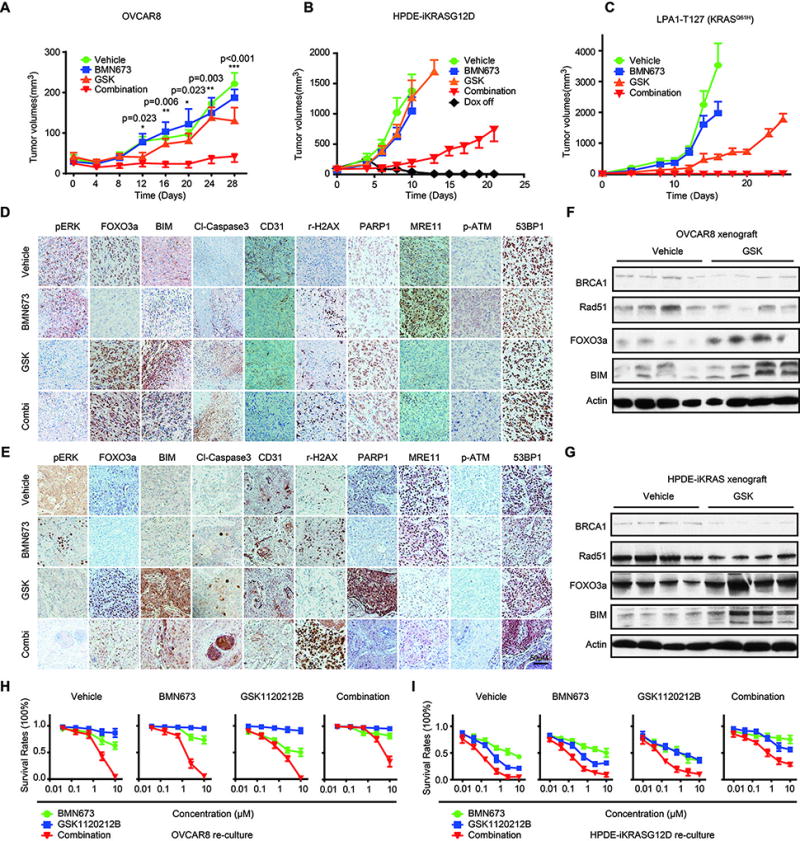
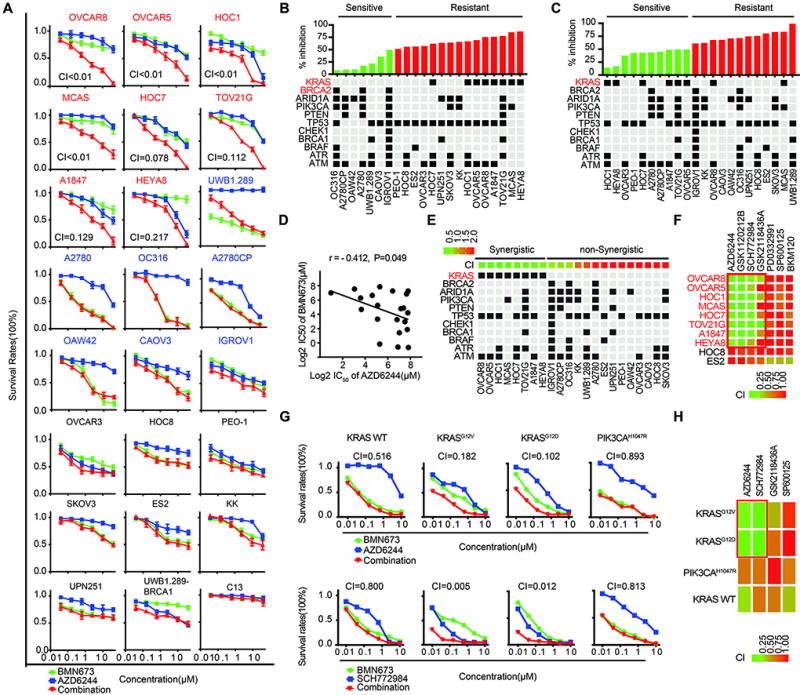
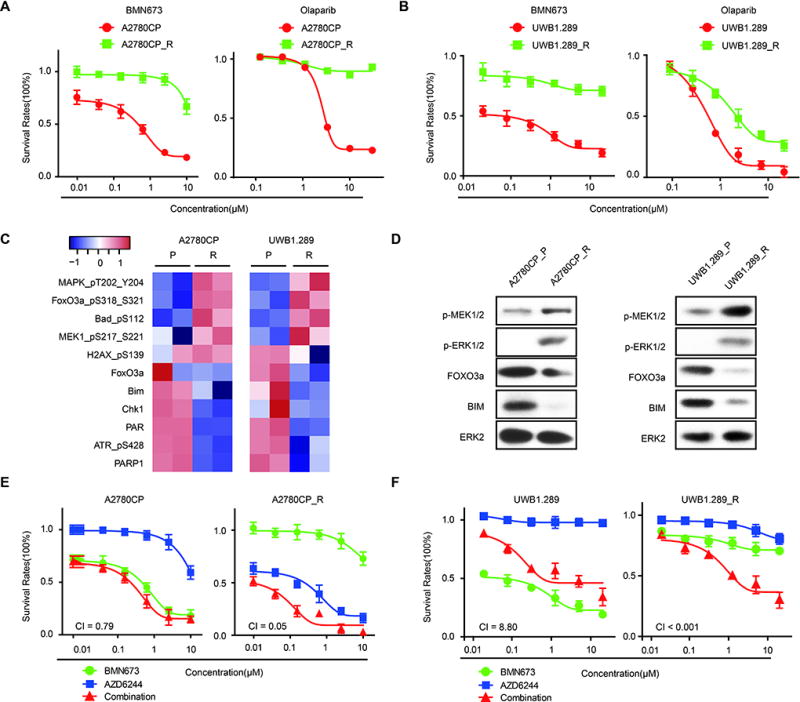
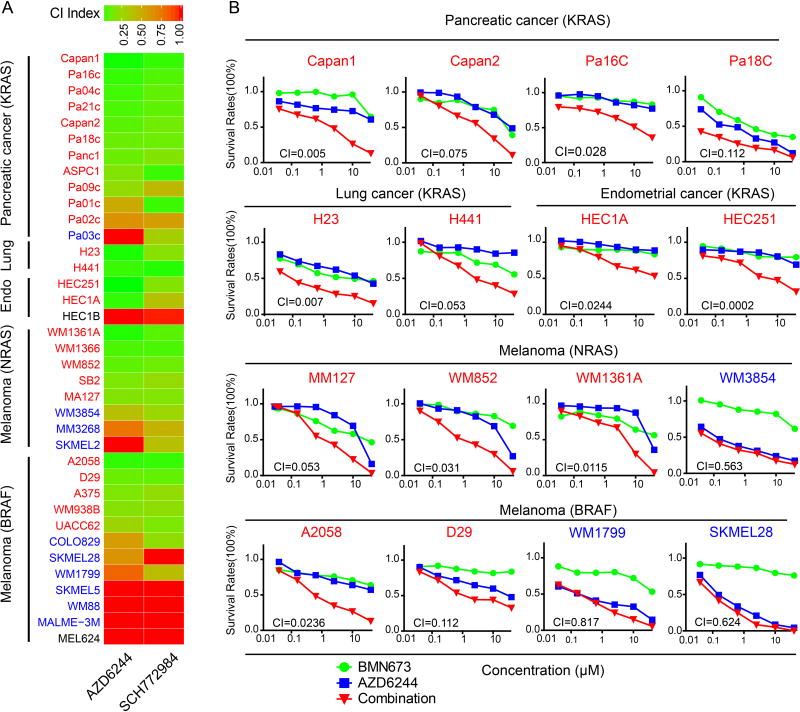
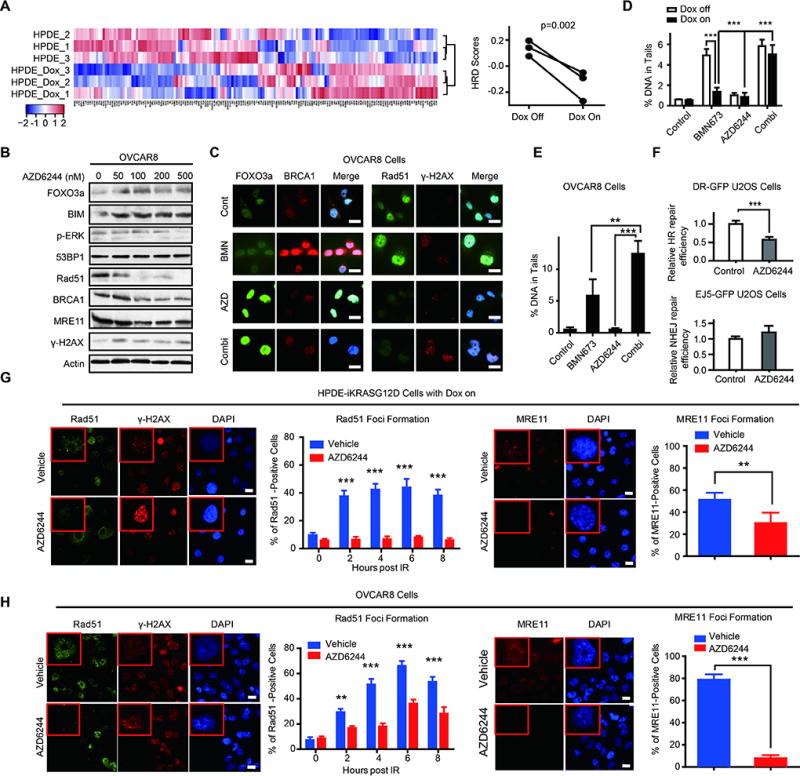
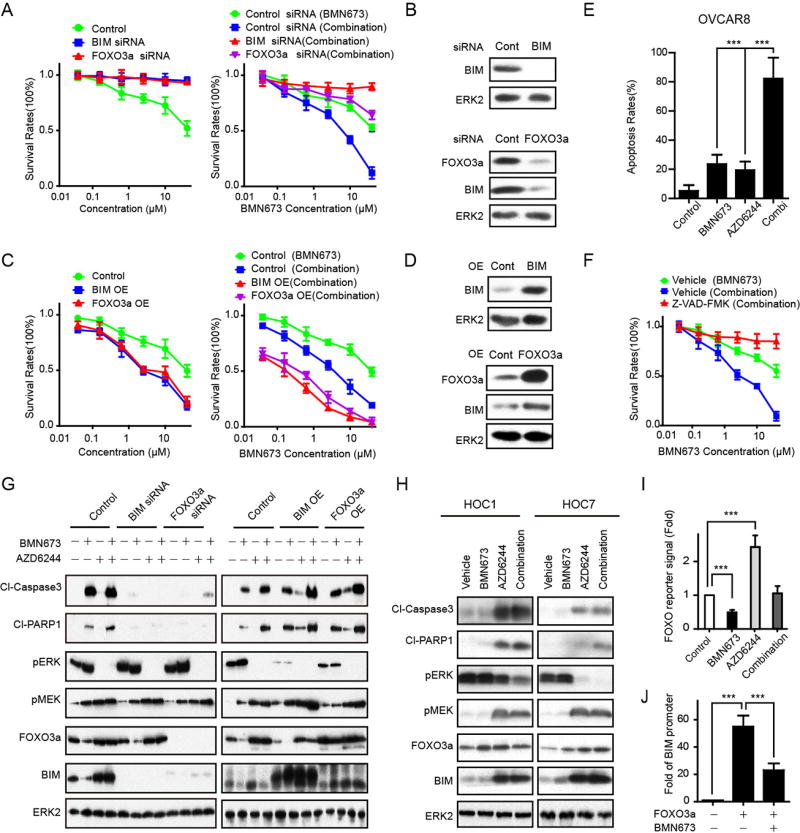
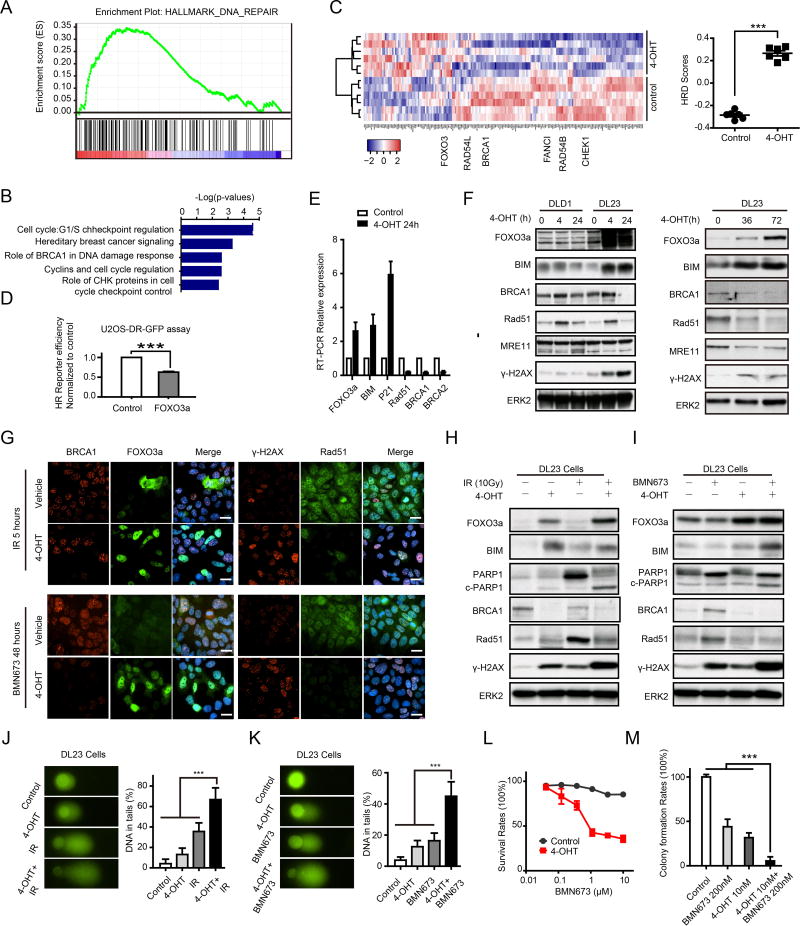
Mutant has remained recalcitrant to targeted therapy efforts. We demonstrate that combined treatment with poly(adenosine diphosphate-ribose) polymerase (PARP) inhibitors and mitogen-activated protein kinase (MAPK) kinase (MEK) inhibitors evokes unanticipated, synergistic cytotoxic effects in vitro and in vivo in multiple mutant tumor models across tumor lineages where mutations are prevalent. The effects of PARP and MEK inhibitor combinations are independent of and mutation status, suggesting that the synergistic activity is likely to be generalizable. Synergistic activity of PARP and MEK inhibitor combinations in mutant tumors is associated with (i) induction of BIM-mediated apoptosis, (ii) decrease in expression of components of the homologous recombination DNA repair pathway, (iii) decrease in homologous recombination DNA damage repair capacity, (iv) decrease in DNA damage checkpoint activity, (v) increase in PARP inhibitor-induced DNA damage, (vi) decrease in vascularity that could increase PARP inhibitor efficacy by inducing hypoxia, and (vii) elevated PARP1 protein, which increases trapping activity of PARP inhibitors. Mechanistically, enforced expression of FOXO3a, which is a target of the RAS/MAPK pathway, was sufficient to recapitulate the functional consequences of MEK inhibitors including synergy with PARP inhibitors. Thus, the ability of mutant to suppress FOXO3a and its reversal by MEK inhibitors accounts, at least in part, for the synergy of PARP and MEK inhibitors in mutant tumors. The rational combination of PARP and MEK inhibitors warrants clinical investigation in patients with mutant tumors where there are few effective therapeutic options.
突变体对靶向治疗一直具有抗性。我们证明,在多种肿瘤谱系中,聚(二磷酸腺苷 - 核糖)聚合酶(PARP)抑制剂与丝裂原活化蛋白激酶(MAPK)激酶(MEK)抑制剂联合治疗在体外和体内均能在携带普遍存在的突变的多个突变肿瘤模型中引发意外的协同细胞毒性作用。PARP和MEK抑制剂组合的作用与和突变状态无关,这表明这种协同活性可能具有普遍性。PARP和MEK抑制剂组合在突变肿瘤中的协同活性与以下因素有关:(i)诱导BIM介导的细胞凋亡,(ii)同源重组DNA修复途径成分的表达降低,(iii)同源重组DNA损伤修复能力降低,(iv)DNA损伤检查点活性降低,(v)PARP抑制剂诱导的DNA损伤增加,(vi)血管生成减少,这可能通过诱导缺氧增加PARP抑制剂的疗效,以及(vii)PARP1蛋白升高,这增加了PARP抑制剂的捕获活性。从机制上讲,强制表达作为RAS/MAPK途径靶点的FOXO3a足以重现MEK抑制剂的功能后果,包括与PARP抑制剂的协同作用。因此,突变体抑制FOXO3a的能力及其被MEK抑制剂逆转至少部分解释了PARP和MEK抑制剂在突变肿瘤中的协同作用。PARP和MEK抑制剂的合理组合值得在几乎没有有效治疗选择的突变肿瘤患者中进行临床研究。