Department of Biosciences, University of Oslo, 0316, Oslo, Norway.
School of Public Health, Tongji Medical College, Huazhong University of Science and Technology, 430030, Wuhan, China.
Nat Commun. 2019 Jan 24;10(1):323. doi: 10.1038/s41467-018-08152-3.
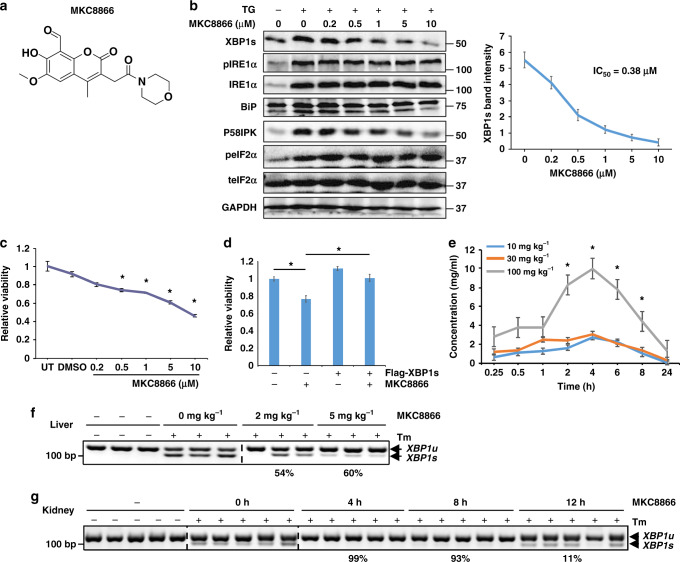
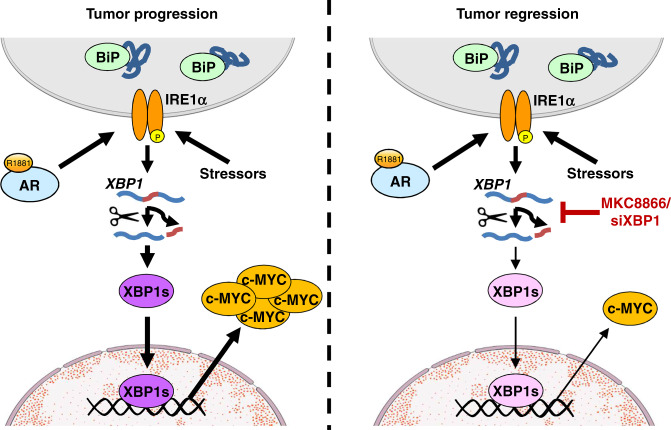
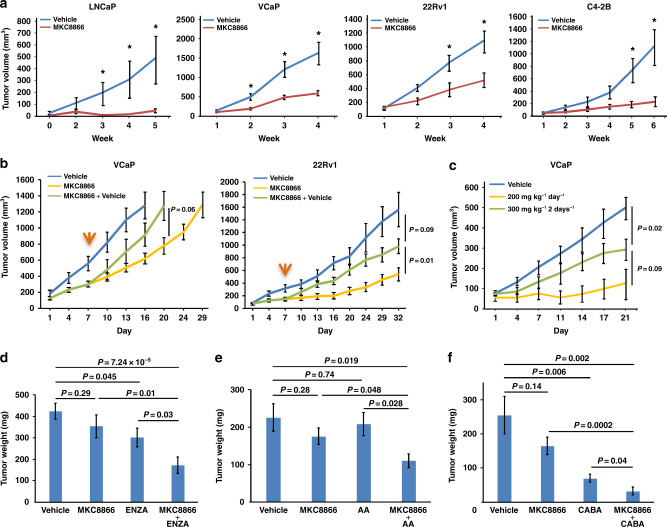
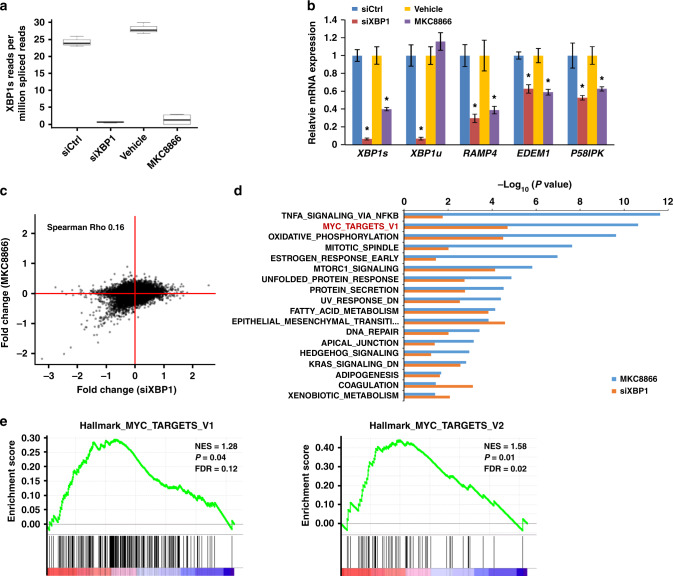
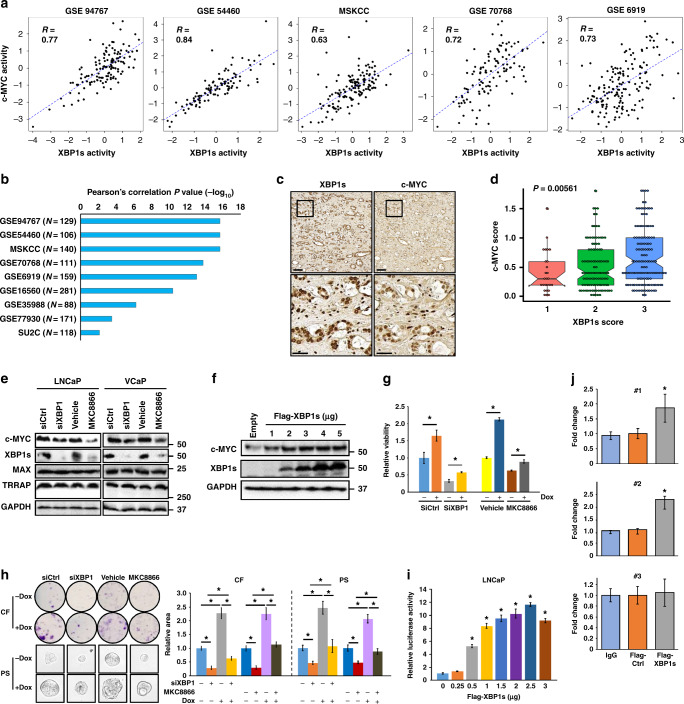
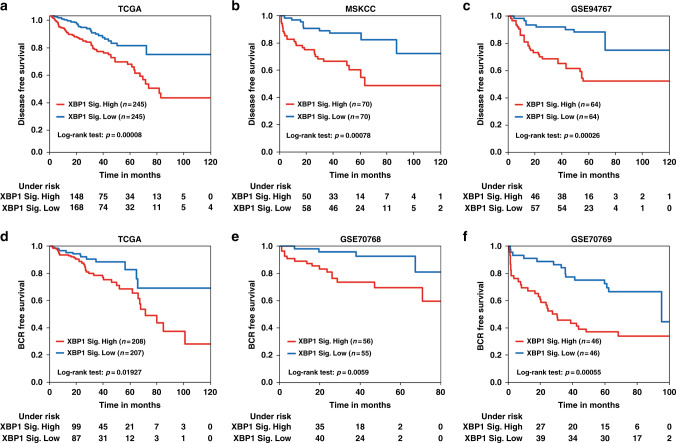
Activation of endoplasmic reticulum (ER) stress/the unfolded protein response (UPR) has been linked to cancer, but the molecular mechanisms are poorly understood and there is a paucity of reagents to translate this for cancer therapy. Here, we report that an IRE1α RNase-specific inhibitor, MKC8866, strongly inhibits prostate cancer (PCa) tumor growth as monotherapy in multiple preclinical models in mice and shows synergistic antitumor effects with current PCa drugs. Interestingly, global transcriptomic analysis reveal that IRE1α-XBP1s pathway activity is required for c-MYC signaling, one of the most highly activated oncogenic pathways in PCa. XBP1s is necessary for optimal c-MYC mRNA and protein expression, establishing, for the first time, a direct link between UPR and oncogene activation. In addition, an XBP1-specific gene expression signature is strongly associated with PCa prognosis. Our data establish IRE1α-XBP1s signaling as a central pathway in PCa and indicate that its targeting may offer novel treatment strategies.
内质网 (ER) 应激/未折叠蛋白反应 (UPR) 的激活与癌症有关,但分子机制尚不清楚,并且缺乏将其转化为癌症治疗的试剂。在这里,我们报告说,IRE1α RNase 特异性抑制剂 MKC8866 作为单一疗法在多种小鼠临床前模型中强烈抑制前列腺癌 (PCa) 肿瘤生长,并与当前的 PCa 药物表现出协同的抗肿瘤作用。有趣的是,全转录组分析表明,IRE1α-XBP1s 通路活性是 c-MYC 信号所必需的,c-MYC 信号是 PCa 中最活跃的致癌通路之一。XBP1s 对于最佳的 c-MYC mRNA 和蛋白质表达是必需的,这首次建立了 UPR 与癌基因激活之间的直接联系。此外,XBP1 特异性基因表达特征与 PCa 预后强烈相关。我们的数据确立了 IRE1α-XBP1s 信号作为 PCa 的核心途径,并表明其靶向可能提供新的治疗策略。