• 文献检索
  • 文档翻译
  • 深度研究
  • 学术资讯
  • Suppr Zotero 插件Zotero 插件
  • 邀请有礼
  • 套餐&价格
  • 历史记录
应用&插件
Suppr Zotero 插件Zotero 插件浏览器插件Mac 客户端Windows 客户端微信小程序
定价
高级版会员购买积分包购买API积分包
服务
文献检索文档翻译深度研究API 文档MCP 服务
关于我们
关于 Suppr公司介绍联系我们用户协议隐私条款
关注我们

Suppr 超能文献

核心技术专利:CN118964589B侵权必究
粤ICP备2023148730 号-1Suppr @ 2026

文献检索

告别复杂PubMed语法,用中文像聊天一样搜索,搜遍4000万医学文献。AI智能推荐,让科研检索更轻松。

立即免费搜索

文件翻译

保留排版,准确专业,支持PDF/Word/PPT等文件格式,支持 12+语言互译。

免费翻译文档

深度研究

AI帮你快速写综述,25分钟生成高质量综述,智能提取关键信息,辅助科研写作。

立即免费体验

检测福岛第一核电站反应堆建筑内源自核燃料的α粒子放射源。

Detection of alpha particle emitters originating from nuclear fuel inside reactor building of Fukushima Daiichi Nuclear Power Plant.

机构信息

Collaborative Laboratories for Advanced Decommissioning Science (CLADS), Japan Atomic Energy Agency, 790-1 Motooka Ohtsuka, Tomioka Town, Futaba-gun, Fukushima, 979-1151, Japan.

Tokyo Electric Power Company Holdings, Inc., 22 Kitahara, Ottozawa, Ohkuma-machi, Futaba-gun, Fukushima, 979-1301, Japan.

出版信息

Sci Rep. 2019 Jan 24;9(1):581. doi: 10.1038/s41598-018-36962-4.

DOI:10.1038/s41598-018-36962-4
PMID:30679575
原文链接:https://pmc.ncbi.nlm.nih.gov/articles/PMC6346089/
Abstract

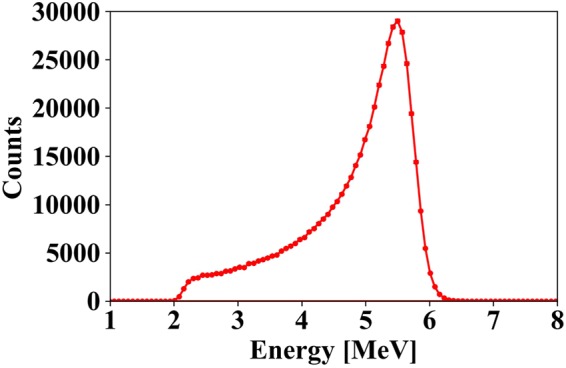
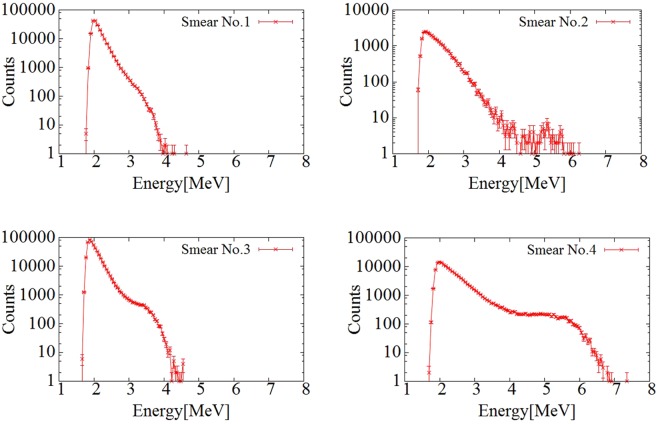
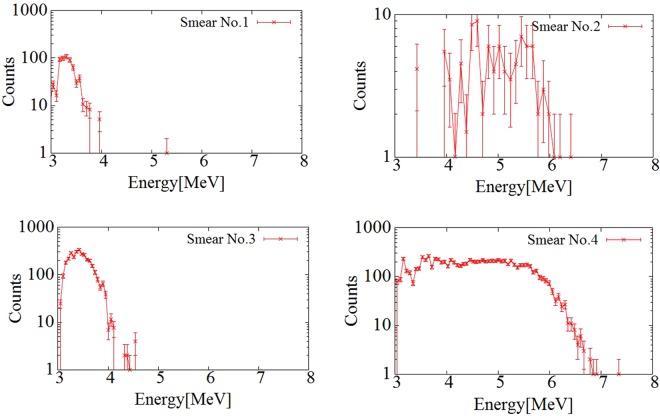
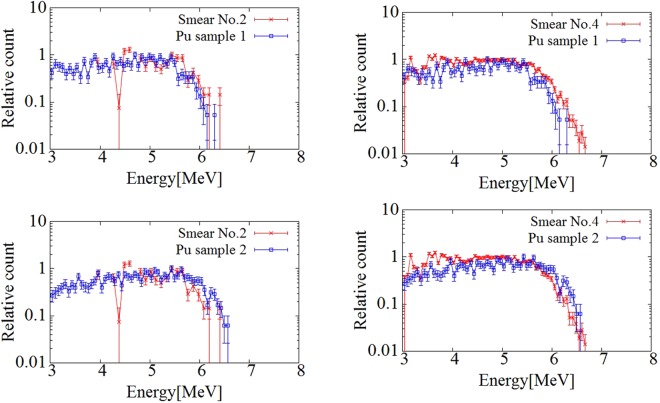
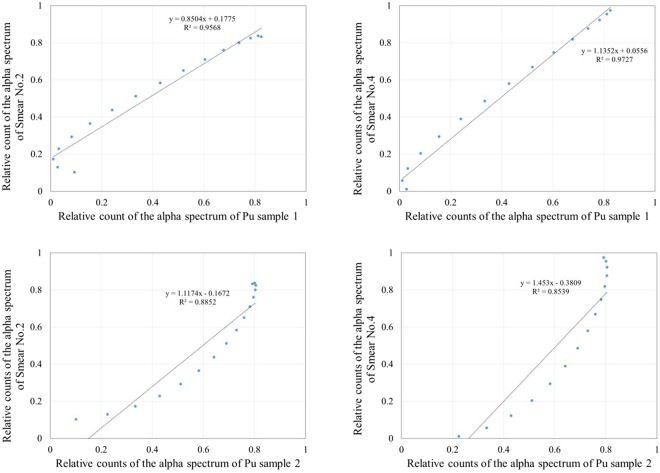
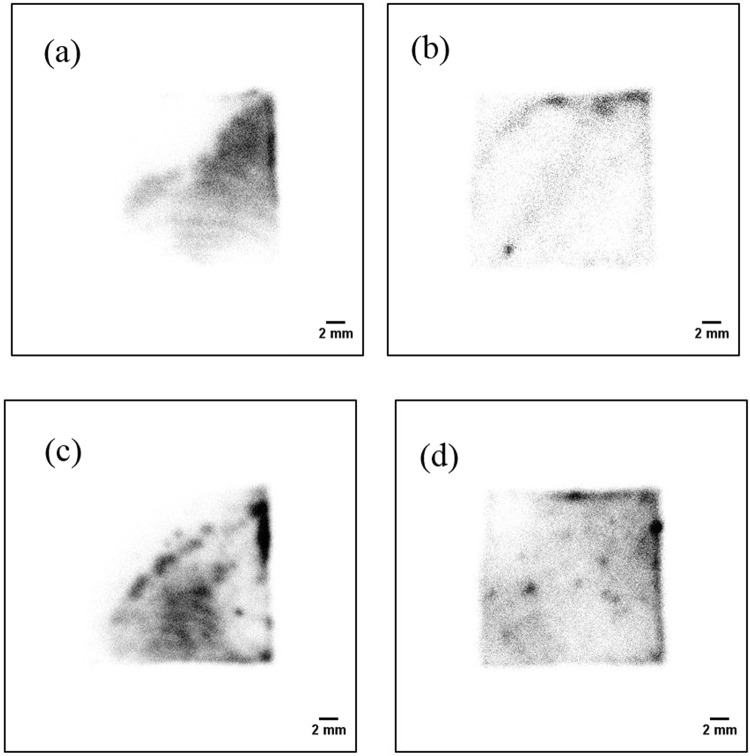
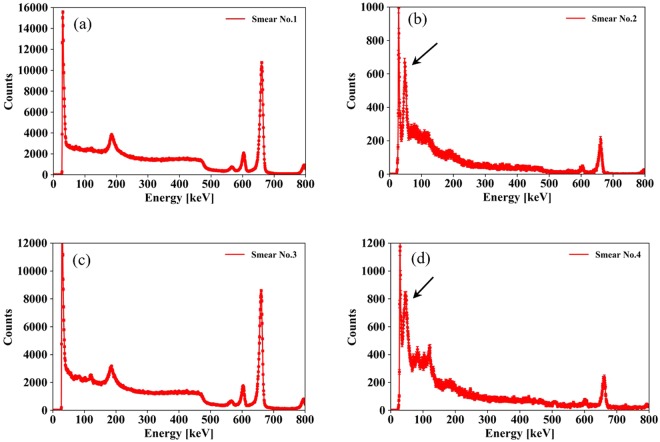
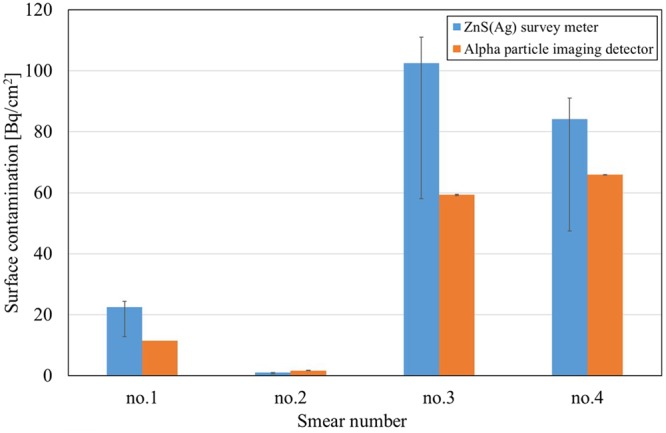
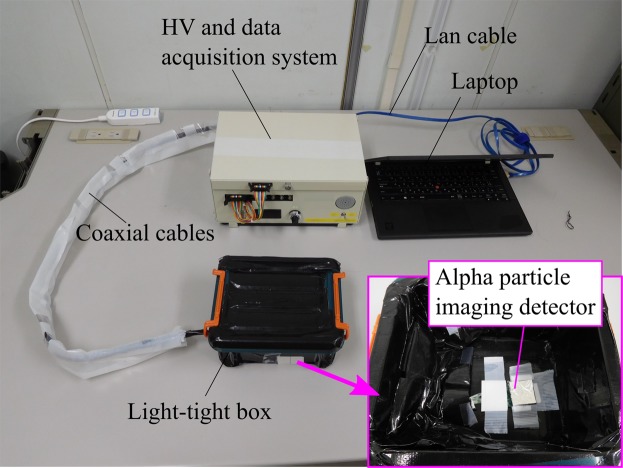
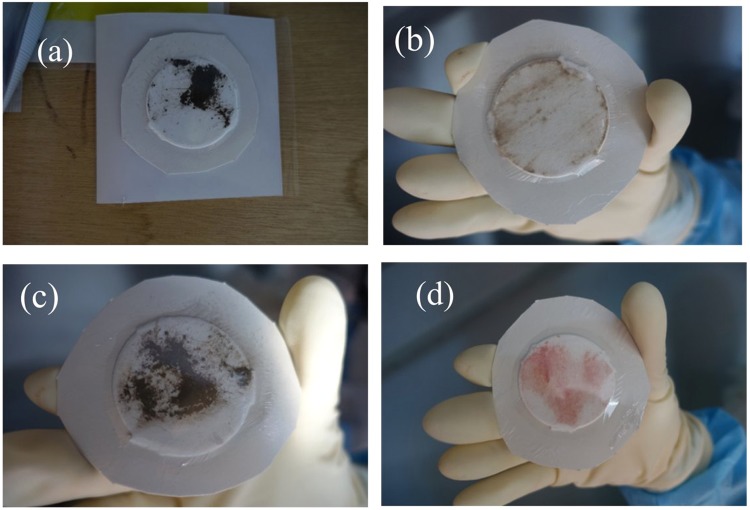
We measured alpha emitters obtained from a reactor building in the Fukushima Daiichi Nuclear Power Plant (FDNPP) by using an alpha particle imaging detector. For developing the detector, we used a very thin (0.05-mm-thick) a cerium-doped Gd(Ga,Al)O (Ce:GAGG) scintillator and silicon photomultiplier (SiPM) arrays as the photodetector. The floor of the reactor building in FDNPP was wiped off by using smear papers, and the radioactivity of these papers was measured by the alpha particle imaging detector. In addition, we measured a Plutonium (Pu) sample (mainly 5.5 MeV alpha particles from Pu) obtained from a nuclear fuel facility by using of the same detector for comparison with the smear papers. The alpha spectrum was in the energy range of 5-6 MeV, which corresponds to the alpha particle energy of Pu (5.5 MeV). The correlation coefficient of the alpha spectra of the smear papers and the Pu sample had a strong positive linear relation. Moreover, the peak of Am was identified by gamma spectrum measurement. Based on these results, we report actual findings of alpha emitters in the FDNPP reactor buildings originating from nuclear fuels. The surface contamination level of alpha emitters exceeded 4 Bq/cm.

摘要

我们使用α粒子成像探测器测量了来自福岛第一核电站(FDNPP)反应堆建筑的α发射体。为了开发该探测器,我们使用了非常薄的(0.05 毫米厚)掺铈钆(Ga,Al)O(Ce:GAGG)闪烁体和硅光电倍增管(SiPM)阵列作为光电探测器。用擦拭纸擦拭了 FDNPP 反应堆建筑的地板,并通过α粒子成像探测器测量了这些纸张的放射性。此外,我们还使用相同的探测器测量了从核燃料设施获得的钚(Pu)样品(主要是来自 Pu 的 5.5MeVα粒子),以与擦拭纸进行比较。α能谱在 5-6MeV 的能量范围内,对应于 Pu(5.5MeV)的α粒子能量。擦拭纸和 Pu 样品的α能谱的相关系数具有很强的正线性关系。此外,还通过伽马能谱测量鉴定了 Am 的峰。基于这些结果,我们报告了来自核燃料的 FDNPP 反应堆建筑物中α发射体的实际发现。α发射体的表面污染水平超过 4Bq/cm。
https://cdn.ncbi.nlm.nih.gov/pmc/blobs/8b5e/6346089/0753cc21ef9f/41598_2018_36962_Fig17_HTML.jpg
https://cdn.ncbi.nlm.nih.gov/pmc/blobs/8b5e/6346089/264eed81dc77/41598_2018_36962_Fig1_HTML.jpg
https://cdn.ncbi.nlm.nih.gov/pmc/blobs/8b5e/6346089/cae1c38b0670/41598_2018_36962_Fig2_HTML.jpg
https://cdn.ncbi.nlm.nih.gov/pmc/blobs/8b5e/6346089/6a69682a3883/41598_2018_36962_Fig3_HTML.jpg
https://cdn.ncbi.nlm.nih.gov/pmc/blobs/8b5e/6346089/ef3701e6190c/41598_2018_36962_Fig4_HTML.jpg
https://cdn.ncbi.nlm.nih.gov/pmc/blobs/8b5e/6346089/57a2d0a7c33a/41598_2018_36962_Fig5_HTML.jpg
https://cdn.ncbi.nlm.nih.gov/pmc/blobs/8b5e/6346089/632122c32320/41598_2018_36962_Fig6_HTML.jpg
https://cdn.ncbi.nlm.nih.gov/pmc/blobs/8b5e/6346089/a1a7fb6f30fb/41598_2018_36962_Fig7_HTML.jpg
https://cdn.ncbi.nlm.nih.gov/pmc/blobs/8b5e/6346089/18f3bbc1032d/41598_2018_36962_Fig8_HTML.jpg
https://cdn.ncbi.nlm.nih.gov/pmc/blobs/8b5e/6346089/55f7f0165f42/41598_2018_36962_Fig9_HTML.jpg
https://cdn.ncbi.nlm.nih.gov/pmc/blobs/8b5e/6346089/c5f84a259653/41598_2018_36962_Fig10_HTML.jpg
https://cdn.ncbi.nlm.nih.gov/pmc/blobs/8b5e/6346089/0aee86d1ffad/41598_2018_36962_Fig11_HTML.jpg
https://cdn.ncbi.nlm.nih.gov/pmc/blobs/8b5e/6346089/629dc53f44ad/41598_2018_36962_Fig12_HTML.jpg
https://cdn.ncbi.nlm.nih.gov/pmc/blobs/8b5e/6346089/27c3cd0f47ca/41598_2018_36962_Fig13_HTML.jpg
https://cdn.ncbi.nlm.nih.gov/pmc/blobs/8b5e/6346089/62b6eac453af/41598_2018_36962_Fig14_HTML.jpg
https://cdn.ncbi.nlm.nih.gov/pmc/blobs/8b5e/6346089/14d7caf55dd3/41598_2018_36962_Fig15_HTML.jpg
https://cdn.ncbi.nlm.nih.gov/pmc/blobs/8b5e/6346089/29f6249d5f24/41598_2018_36962_Fig16_HTML.jpg
https://cdn.ncbi.nlm.nih.gov/pmc/blobs/8b5e/6346089/0753cc21ef9f/41598_2018_36962_Fig17_HTML.jpg
https://cdn.ncbi.nlm.nih.gov/pmc/blobs/8b5e/6346089/264eed81dc77/41598_2018_36962_Fig1_HTML.jpg
https://cdn.ncbi.nlm.nih.gov/pmc/blobs/8b5e/6346089/cae1c38b0670/41598_2018_36962_Fig2_HTML.jpg
https://cdn.ncbi.nlm.nih.gov/pmc/blobs/8b5e/6346089/6a69682a3883/41598_2018_36962_Fig3_HTML.jpg
https://cdn.ncbi.nlm.nih.gov/pmc/blobs/8b5e/6346089/ef3701e6190c/41598_2018_36962_Fig4_HTML.jpg
https://cdn.ncbi.nlm.nih.gov/pmc/blobs/8b5e/6346089/57a2d0a7c33a/41598_2018_36962_Fig5_HTML.jpg
https://cdn.ncbi.nlm.nih.gov/pmc/blobs/8b5e/6346089/632122c32320/41598_2018_36962_Fig6_HTML.jpg
https://cdn.ncbi.nlm.nih.gov/pmc/blobs/8b5e/6346089/a1a7fb6f30fb/41598_2018_36962_Fig7_HTML.jpg
https://cdn.ncbi.nlm.nih.gov/pmc/blobs/8b5e/6346089/18f3bbc1032d/41598_2018_36962_Fig8_HTML.jpg
https://cdn.ncbi.nlm.nih.gov/pmc/blobs/8b5e/6346089/55f7f0165f42/41598_2018_36962_Fig9_HTML.jpg
https://cdn.ncbi.nlm.nih.gov/pmc/blobs/8b5e/6346089/c5f84a259653/41598_2018_36962_Fig10_HTML.jpg
https://cdn.ncbi.nlm.nih.gov/pmc/blobs/8b5e/6346089/0aee86d1ffad/41598_2018_36962_Fig11_HTML.jpg
https://cdn.ncbi.nlm.nih.gov/pmc/blobs/8b5e/6346089/629dc53f44ad/41598_2018_36962_Fig12_HTML.jpg
https://cdn.ncbi.nlm.nih.gov/pmc/blobs/8b5e/6346089/27c3cd0f47ca/41598_2018_36962_Fig13_HTML.jpg
https://cdn.ncbi.nlm.nih.gov/pmc/blobs/8b5e/6346089/62b6eac453af/41598_2018_36962_Fig14_HTML.jpg
https://cdn.ncbi.nlm.nih.gov/pmc/blobs/8b5e/6346089/14d7caf55dd3/41598_2018_36962_Fig15_HTML.jpg
https://cdn.ncbi.nlm.nih.gov/pmc/blobs/8b5e/6346089/29f6249d5f24/41598_2018_36962_Fig16_HTML.jpg
https://cdn.ncbi.nlm.nih.gov/pmc/blobs/8b5e/6346089/0753cc21ef9f/41598_2018_36962_Fig17_HTML.jpg

相似文献

1
Detection of alpha particle emitters originating from nuclear fuel inside reactor building of Fukushima Daiichi Nuclear Power Plant.检测福岛第一核电站反应堆建筑内源自核燃料的α粒子放射源。
Sci Rep. 2019 Jan 24;9(1):581. doi: 10.1038/s41598-018-36962-4.
2
Transuranic nuclides Pu, Am and Cm isotopes, and Sr in seafloor sediments off the Fukushima Daiichi Nuclear Power Plant during the period from 2012 to 2019.2012 年至 2019 年福岛第一核电站附近海底沉积物中钚、镅和锔同位素及锶
J Environ Radioact. 2021 Feb;227:106459. doi: 10.1016/j.jenvrad.2020.106459. Epub 2020 Nov 19.
3
Distributions and impacts of plutonium in the environment originating from the Fukushima Daiichi Nuclear Power Plant accident: An overview of a decade of studies.福岛第一核电站事故释放的钚在环境中的分布与影响:十年研究综述。
J Environ Radioact. 2022 Jul;248:106884. doi: 10.1016/j.jenvrad.2022.106884. Epub 2022 Apr 7.
4
Release of plutonium isotopes into the environment from the Fukushima Daiichi Nuclear Power Plant accident: what is known and what needs to be known.福岛第一核电站事故向环境中释放的钚同位素:已知和未知的情况。
Environ Sci Technol. 2013 Sep 3;47(17):9584-95. doi: 10.1021/es402212v. Epub 2013 Aug 14.
5
Particulate plutonium released from the Fukushima Daiichi meltdowns.福岛第一核电站熔毁释放的颗粒状钚。
Sci Total Environ. 2020 Nov 15;743:140539. doi: 10.1016/j.scitotenv.2020.140539. Epub 2020 Jul 8.
6
Analysis of particles containing alpha emitters in stagnant water in Fukushima Daiichi Nuclear Power Station's Unit 3 reactor building.福岛第一核电站3号反应堆建筑内停滞水中含α发射体颗粒的分析。
Sci Rep. 2024 Jun 28;14(1):14945. doi: 10.1038/s41598-024-65522-2.
7
New highly radioactive particles derived from Fukushima Daiichi Reactor Unit 1: Properties and environmental impacts.新的源自福岛第一核电站 1 号机组的高放射性粒子:特性及环境影响。
Sci Total Environ. 2021 Jun 15;773:145639. doi: 10.1016/j.scitotenv.2021.145639. Epub 2021 Feb 5.
8
DEVELOPMENT OF A NEW DETECTOR SYSTEM TO EVALUATE POSITION AND ACTIVITY OF PLUTONIUM PARTICLES IN NASAL CAVITIES.一种用于评估鼻腔中钚颗粒位置和活性的新型探测器系统的研发。
Radiat Prot Dosimetry. 2018 Mar 1;178(4):414-421. doi: 10.1093/rpd/ncx127.
9
Release of Pu isotopes from the Fukushima Daiichi Nuclear Power Plant accident to the marine environment was negligible.福岛第一核电站事故中 Pu 同位素向海洋环境的释放可以忽略不计。
Environ Sci Technol. 2014 Aug 19;48(16):9070-8. doi: 10.1021/es502480y. Epub 2014 Jul 29.
10
Airborne Plutonium and non-natural Uranium from the Fukushima DNPP found at 120 km distance a few days after reactor hydrogen explosions.福岛第一核电站反应堆氢气爆炸数天后,在 120 公里远处发现了来自福岛第一核电站的空气传播钚和非天然铀。
Environ Sci Technol. 2014 Apr 1;48(7):3808-14. doi: 10.1021/es404961w. Epub 2014 Mar 13.

引用本文的文献

1
Analysis of particles containing alpha emitters in stagnant water in Fukushima Daiichi Nuclear Power Station's Unit 3 reactor building.福岛第一核电站3号反应堆建筑内停滞水中含α发射体颗粒的分析。
Sci Rep. 2024 Jun 28;14(1):14945. doi: 10.1038/s41598-024-65522-2.
2
High-throughput production of LuAG-based highly luminescent thick film scintillators for radiation detection and imaging.高通量制备基于 LuAG 的高发光厚膜闪烁体用于辐射探测和成像。
Sci Rep. 2022 Nov 11;12(1):19319. doi: 10.1038/s41598-022-23839-w.
3
Analysis of particles containing alpha-emitters in stagnant water at torus room of Fukushima Dai-ichi Nuclear Power Station's Unit 2 reactor.

本文引用的文献

1
Discovery of non-spherical heterogeneous radiocesium-bearing particles not derived from Unit 1 of the Fukushima Dai-ichi Nuclear Power Plant, in residences five years after the accident.事故发生五年后,在居民住宅中发现并非源自福岛第一核电站1号机组的非球形含放射性铯异质颗粒。
J Environ Radioact. 2017 Oct;177:65-70. doi: 10.1016/j.jenvrad.2017.06.006. Epub 2017 Jun 15.
2
SILICON DIODE AS AN ALPHA PARTICLE DETECTOR AND SPECTROMETER FOR DIRECT FIELD MEASUREMENTS.用于直接场测量的硅二极管作为α粒子探测器和能谱仪
Radiat Prot Dosimetry. 2016 Sep;170(1-4):247-51. doi: 10.1093/rpd/ncw089. Epub 2016 Apr 21.
3
Internal structure of cesium-bearing radioactive microparticles released from Fukushima nuclear power plant.
对福岛第一核电站2号机组反应堆环形室停滞水中含α发射体粒子的分析。
Sci Rep. 2022 May 16;12(1):7191. doi: 10.1038/s41598-022-11334-1.
4
First determination of Pu isotopes (Pu, Pu and Pu) in radioactive particles derived from Fukushima Daiichi Nuclear Power Plant accident.首次测定福岛第一核电站事故放射性粒子中的钚同位素(Pu、Pu 和 Pu)。
Sci Rep. 2019 Aug 14;9(1):11807. doi: 10.1038/s41598-019-48210-4.
福岛核电站释放的含铯放射性微粒的内部结构。
Sci Rep. 2016 Feb 3;6:20548. doi: 10.1038/srep20548.
4
Distributions of Pu isotopes in seawater and bottom sediments in the coast of the Japanese archipelago before and soon after the Fukushima Dai-ichi Nuclear Power Station accident.福岛第一核电站事故之前及之后不久,日本列岛海岸海水和底部沉积物中钚同位素的分布情况。
J Environ Radioact. 2015 Apr;142:113-23. doi: 10.1016/j.jenvrad.2015.01.003. Epub 2015 Feb 4.
5
Release of Pu isotopes from the Fukushima Daiichi Nuclear Power Plant accident to the marine environment was negligible.福岛第一核电站事故中 Pu 同位素向海洋环境的释放可以忽略不计。
Environ Sci Technol. 2014 Aug 19;48(16):9070-8. doi: 10.1021/es502480y. Epub 2014 Jul 29.
6
Plutonium release from Fukushima Daiichi fosters the need for more detailed investigations.福岛第一核电站的钚释放促使人们需要进行更详细的调查。
Sci Rep. 2013 Oct 18;3:2988. doi: 10.1038/srep02988.
7
Distribution of artificial radionuclides in abandoned cattle in the evacuation zone of the Fukushima Daiichi nuclear power plant.福岛第一核电站疏散区废弃牛体内人工放射性核素的分布。
PLoS One. 2013;8(1):e54312. doi: 10.1371/journal.pone.0054312. Epub 2013 Jan 23.
8
Isotopic evidence of plutonium release into the environment from the Fukushima DNPP accident.福岛第一核电站事故中钚释放到环境中的同位素证据。
Sci Rep. 2012;2:304. doi: 10.1038/srep00304. Epub 2012 Mar 8.
9
The disaster at Japan's Fukushima-Daiichi nuclear power plant after the March 11, 2011 earthquake and tsunami, and the resulting spread of radioisotope contamination.2011 年 3 月 11 日日本福岛第一核电站地震和海啸灾难,以及由此导致的放射性同位素污染扩散。
Radiat Res. 2012 Jan;177(1):1-14. doi: 10.1667/rr2830.1. Epub 2011 Nov 7.
10
Specific activity and activity ratios of radionuclides in soil collected about 20 km from the Fukushima Daiichi Nuclear Power Plant: Radionuclide release to the south and southwest.距福岛第一核电站约 20 公里处采集的土壤中放射性核素的比活度和活度比:向南和西南方向的放射性核素释放。
Sci Total Environ. 2011 Oct 15;409(22):4885-8. doi: 10.1016/j.scitotenv.2011.07.067. Epub 2011 Sep 8.