Ranieri Girolamo, Laforgia Mariarita, Nardulli Patrizia, Ferraiuolo Simona, Molinari Pasquale, Marech Ilaria, Gadaleta Cosmo Damiano
Interventional and Medical Oncology Unit, National Cancer Research Centre, IRCCS Istituto Tumori Giovanni Paolo II, 70124 Bari, Italy.
Pharmacy Unit, IRCCS Istituto Tumori Giovanni Paolo II, 70124 Bari, Italy.
Cancers (Basel). 2019 Jan 24;11(2):141. doi: 10.3390/cancers11020141.
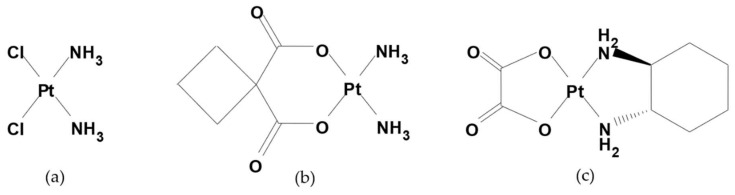
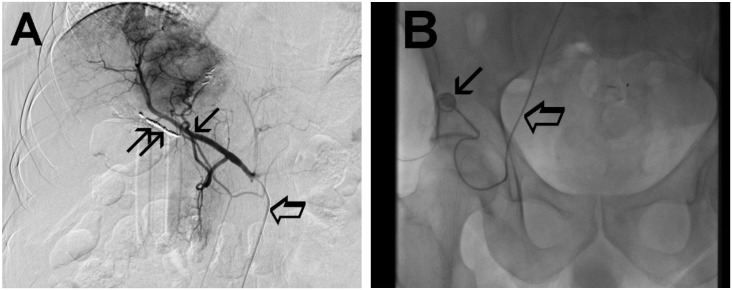
Liver metastases (LM) are often consequences of colo-rectal cancer (CRC)and the majority of patients have unresectable LM. Oxaliplatin-based intravenous chemotherapy represents the gold standard treatment for CRC. Intravenous oxaliplatin has several side effects i.e., nephrologic, hematologic and neurological toxicity. Moreover, hepatic arterial infusion (HAI) of antitumor drugs deeply modifies the treatment of LMCRC due to the knowledge that LM are perfused by the hepatic artery network, whereas healthy tissue is perfused by the portal vein. Therefore, oxaliplatin-based HAI becomes an interesting possibility to treat LMCRC. The aim of this review is to shed light on the important impact of the oxaliplatin-based chemotherapy from a non-conventional clinical point of view, considering that, being universally accepted its antitumor effect if administered intravenously, fragmentary information are known about its clinical applications and benefits deriving from intra-arterial administration in loco-regional chemotherapy.
肝转移(LM)通常是结直肠癌(CRC)的后果,大多数患者的肝转移无法切除。以奥沙利铂为基础的静脉化疗是CRC的金标准治疗方法。静脉注射奥沙利铂有几种副作用,即肾脏、血液学和神经毒性。此外,由于已知肝转移由肝动脉网络供血,而健康组织由门静脉供血,因此抗肿瘤药物的肝动脉灌注(HAI)深刻改变了肝转移结直肠癌的治疗方法。因此,以奥沙利铂为基础的HAI成为治疗肝转移结直肠癌的一种有吸引力的可能性。本综述的目的是从非传统临床角度阐明以奥沙利铂为基础的化疗的重要影响,考虑到虽然其静脉给药的抗肿瘤作用已被普遍接受,但关于其临床应用以及局部区域化疗中动脉内给药的益处的信息却支离破碎。