Takeuchi Hiroya, Kitagawa Yuko
Department of Surgery Hamamatsu University School of Medicine Hamamatsu Japan.
Department of Surgery Keio University School of Medicine Tokyo Japan.
Ann Gastroenterol Surg. 2018 Sep 5;3(1):7-13. doi: 10.1002/ags3.12206. eCollection 2019 Jan.
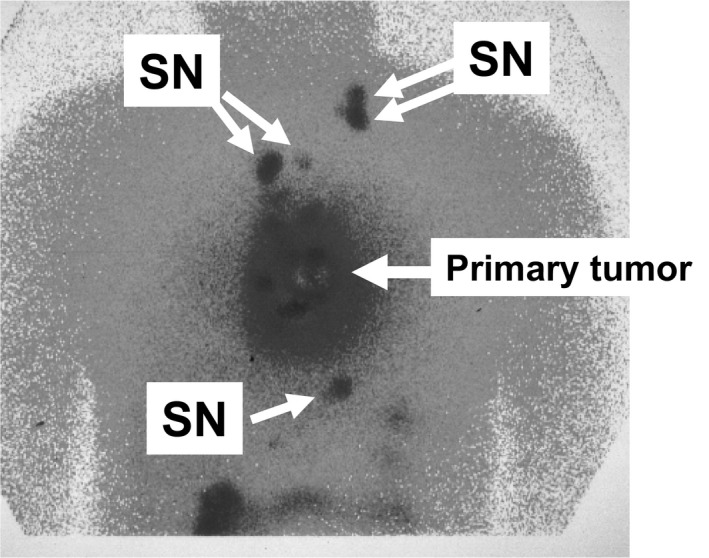
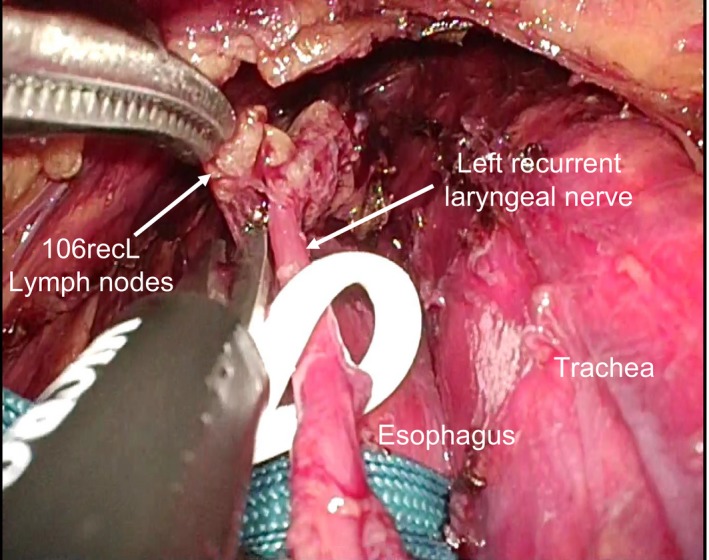
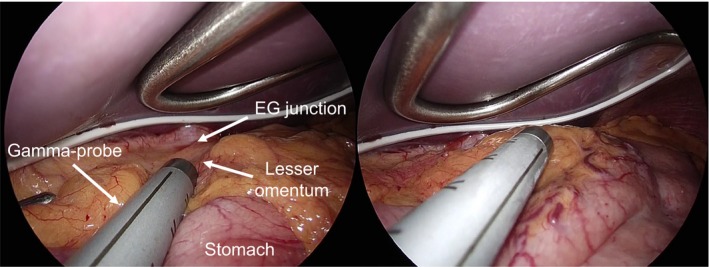
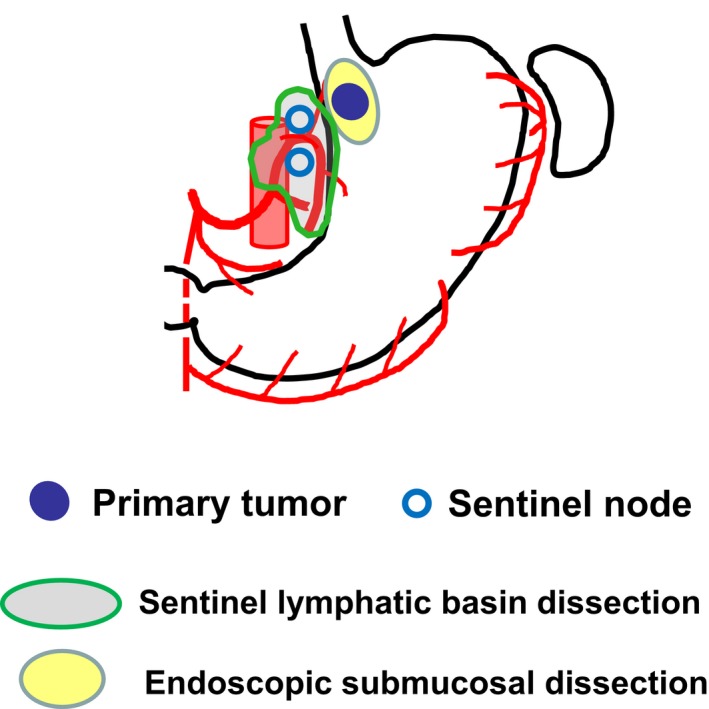
Over the last 20 years, the sentinel node (SN) concept has been widely applied to the surgical staging of both breast cancer and melanoma. However, the validity of this concept has been controversial for esophageal cancer, because SN mapping for esophageal cancer is not considered to be technically easy because of the complicated multidirectional lymphatic networks of the esophagus and mediastinum. Nevertheless, studies including meta-analyses indicated that SN mapping may be feasible in early esophageal cancer. Transthoracic esophagectomy with three-field lymphadenectomy was developed as a potential curative procedure for thoracic esophageal cancer. However, this highly invasive procedure might increase morbidity and reduce patients' quality of life (QOL) after esophagectomy. Although further validation based on multicenter trials using the standard protocol of SN mapping for esophageal cancer is required, SN navigation surgery would enable us to carry out personalized and limited lymph node dissection which might reduce morbidity and maintain patients' QOL.
在过去20年里,前哨淋巴结(SN)概念已广泛应用于乳腺癌和黑色素瘤的手术分期。然而,这一概念在食管癌中的有效性一直存在争议,因为由于食管和纵隔复杂的多向淋巴网络,食管癌的SN定位在技术上被认为并不容易。尽管如此,包括荟萃分析在内的研究表明,SN定位在早期食管癌中可能是可行的。经胸食管切除术加三野淋巴结清扫术已被开发为胸段食管癌的一种潜在根治性手术。然而,这种高侵袭性手术可能会增加发病率,并降低食管切除术后患者的生活质量(QOL)。尽管需要基于多中心试验使用食管癌SN定位的标准方案进行进一步验证,但SN导航手术将使我们能够进行个性化和有限的淋巴结清扫,这可能会降低发病率并维持患者的QOL。