Division of Genetics, Cancer Research Institute, Kanazawa University, Kanazawa, 920-1192, Japan.
AMED-CREST, AMED, Japan Agency for Medical Research and Development, Tokyo, 100-0004, Japan.
Oncogene. 2019 May;38(22):4250-4263. doi: 10.1038/s41388-019-0702-0. Epub 2019 Jan 30.
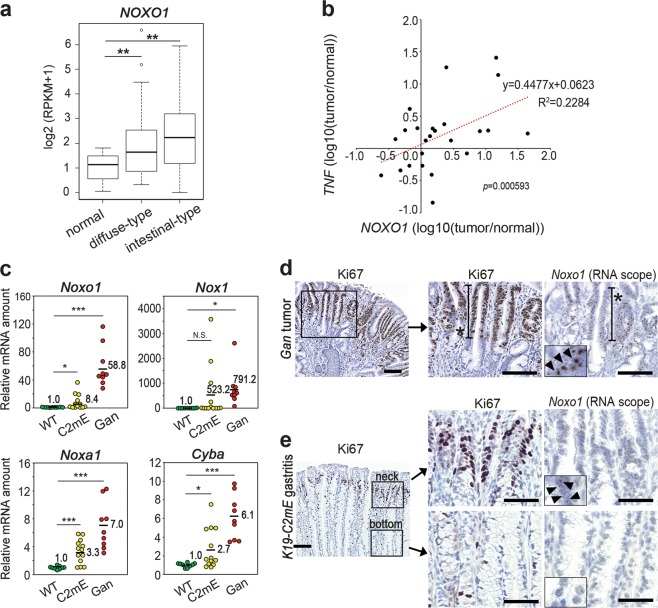
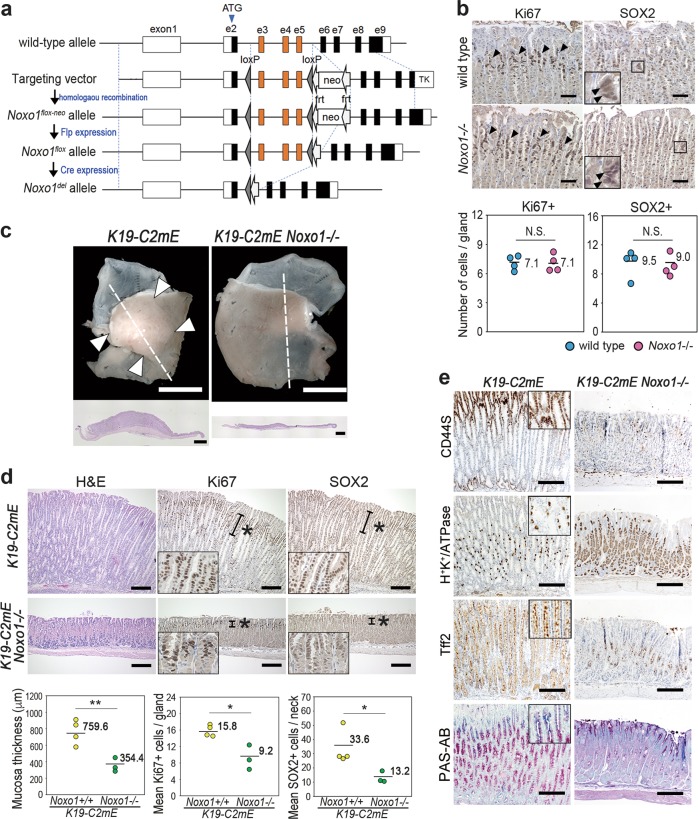
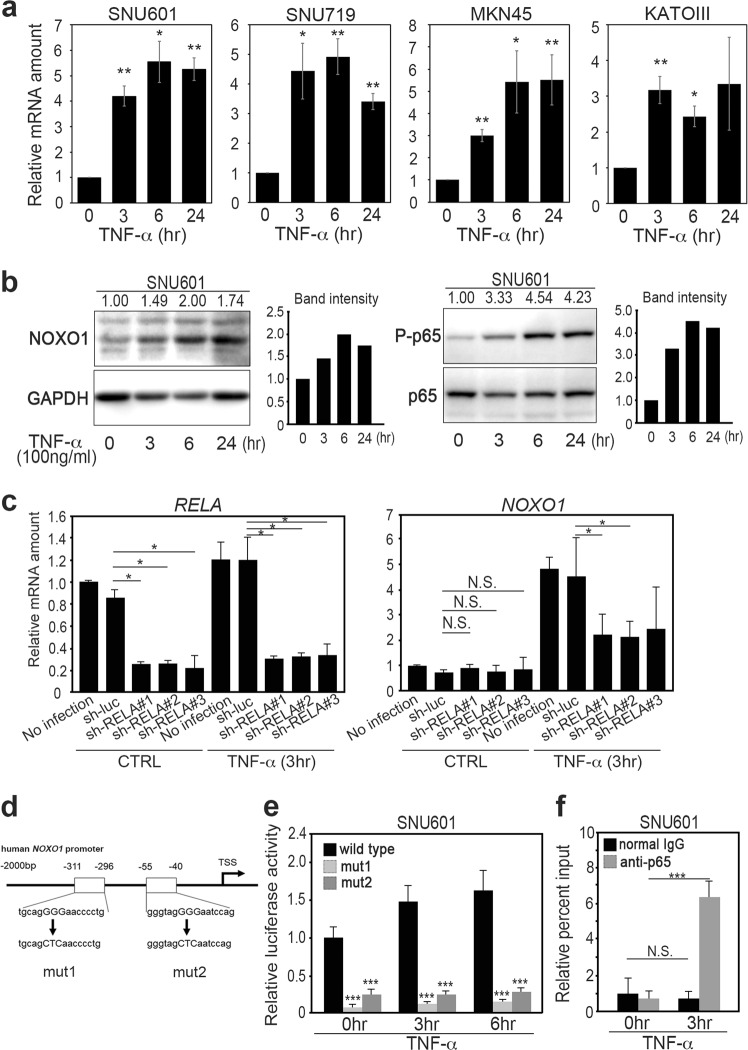
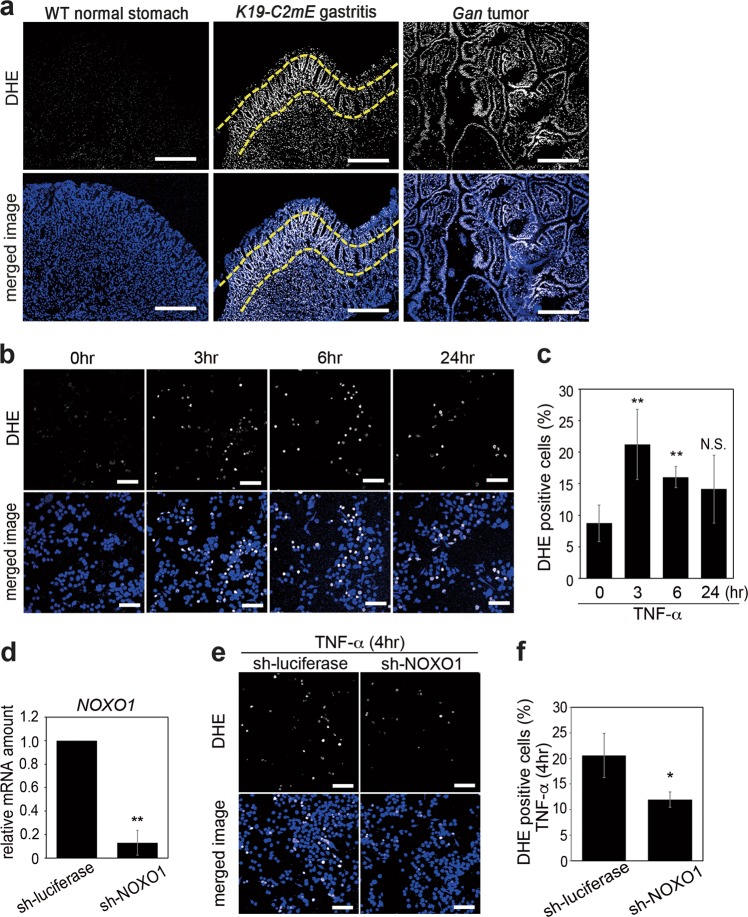
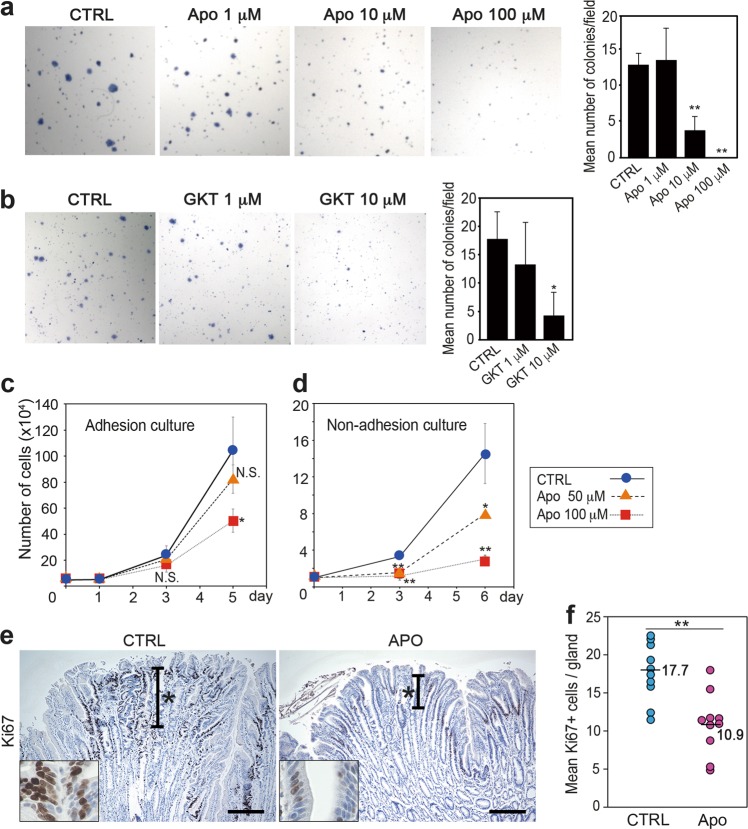
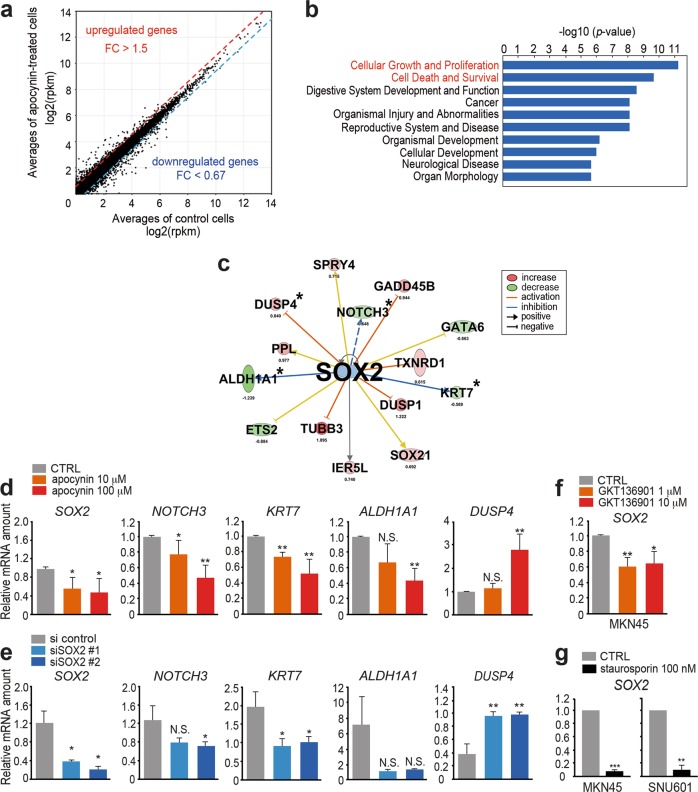
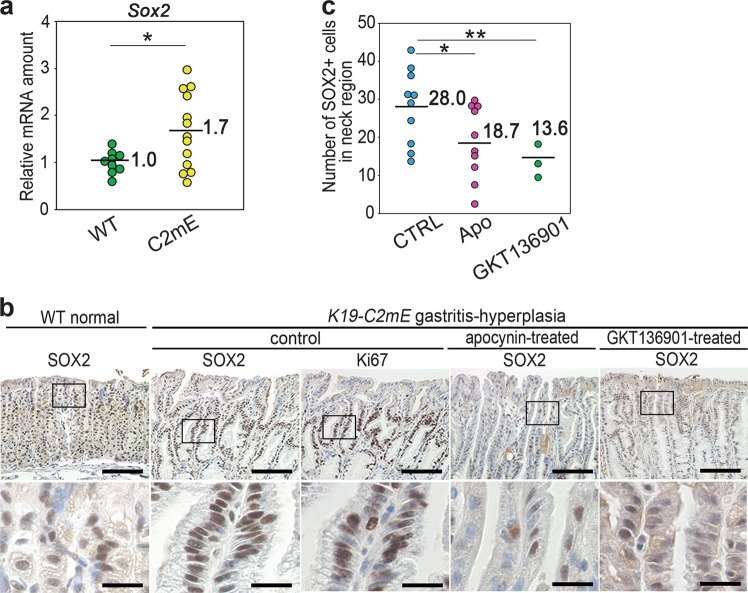
We previously showed that NADPH oxidase organizer 1 (Noxo1), a component of NADPH oxidase 1 (NOX1), is a TNF-α-induced tumor-promoting factor in gastric tumorigenesis. However, the mechanism of NOX1-induced reactive oxygen species (ROS) signaling for the gastric tumorigenesis has not been understood. Here, we showed that expression of NOX1 complex components, including Noxo1, but not other NOX family members was significantly upregulated in both mouse models for gastritis and gastric tumors, which was associated with increased ROS levels. We also found that NF-κB directly regulated NOXO1 expression in TNF-α-stimulated gastric cancer cells, suggesting that inflammation induces NOX1 complex activation through TNF-α/NF-κB pathway. Notably, in situ hybridization indicated that Noxo1 mRNA was detected in proliferating cells of gastritis and gastric tumors, and pharmacological inhibition of NOX activity significantly suppressed the proliferation of MKN45 gastric cancer cells and gastric hyperplasia of K19-C2mE mice. These results suggest that NOX1/ROS signaling has an important role in increased proliferation of stomach epithelial cells in the inflamed mucosa. Moreover, we found that expression of SOX2, a marker of gastric epithelial stem cells, was increased by NOX1/ROS signaling. Furthermore, disruption of Noxo1 in K19-C2mE mice significantly suppressed gastritis-associated metaplastic hyperplasia, a potent preneoplastic lesion, which was associated with decreased number of SOX2-positive cells. These results indicate that inflammation-induced Noxo1 expression is responsible for development of metaplastic hyperplasia in the stomach through an increase in SOX2-expressing undifferentiated epithelial cells. Therefore, inhibition of the NOX1/ROS signaling pathway is a possible strategy for prevention and therapy for gastric cancer development.
我们之前的研究表明,NADPH 氧化酶 1(NOX1)的组成部分 NADPH 氧化酶 1 (NOX1)是在胃肿瘤发生中 TNF-α 诱导的肿瘤促进因子。然而,NOX1 诱导的活性氧(ROS)信号转导在胃肿瘤发生中的机制尚不清楚。在这里,我们发现,在胃炎和胃癌的小鼠模型中,NOX1 复合物的表达,包括 Noxo1,但不包括其他 NOX 家族成员,均显著上调,这与 ROS 水平的升高有关。我们还发现,NF-κB 直接调节 TNF-α 刺激的胃癌细胞中 NOXO1 的表达,表明炎症通过 TNF-α/NF-κB 途径诱导 NOX1 复合物的激活。值得注意的是,原位杂交表明,Noxo1mRNA 可在胃炎和胃癌的增殖细胞中检测到,NOX 活性的药理学抑制显著抑制了 MKN45 胃癌细胞和 K19-C2mE 小鼠胃增生的增殖。这些结果表明,NOX1/ROS 信号在炎症粘膜中胃上皮细胞增殖增加中具有重要作用。此外,我们发现,胃上皮干细胞标志物 SOX2 的表达增加是由 NOX1/ROS 信号引起的。此外,在 K19-C2mE 小鼠中破坏 Noxo1 可显著抑制与胃炎相关的化生性增生,这是一种潜在的癌前病变,与 SOX2 阳性细胞数量减少有关。这些结果表明,炎症诱导的 Noxo1 表达通过增加表达 SOX2 的未分化上皮细胞,导致胃化生性增生的发展。因此,抑制 NOX1/ROS 信号通路可能是预防和治疗胃癌发展的一种策略。