Department of Biology and Biological Engineering, California Institute of Technology, Pasadena, CA, USA.
Center of Systems Medicine, Institute of Basic Medical Sciences, Chinese Academy of Medical Sciences and Peking Union Medical College, Beijing, China.
Nat Methods. 2019 Feb;16(2):191-198. doi: 10.1038/s41592-018-0304-8. Epub 2019 Jan 28.
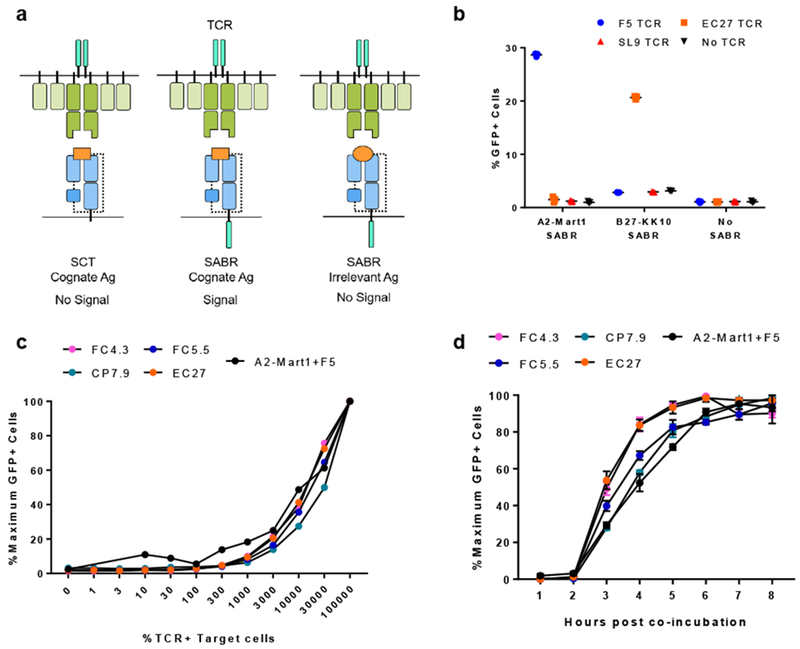
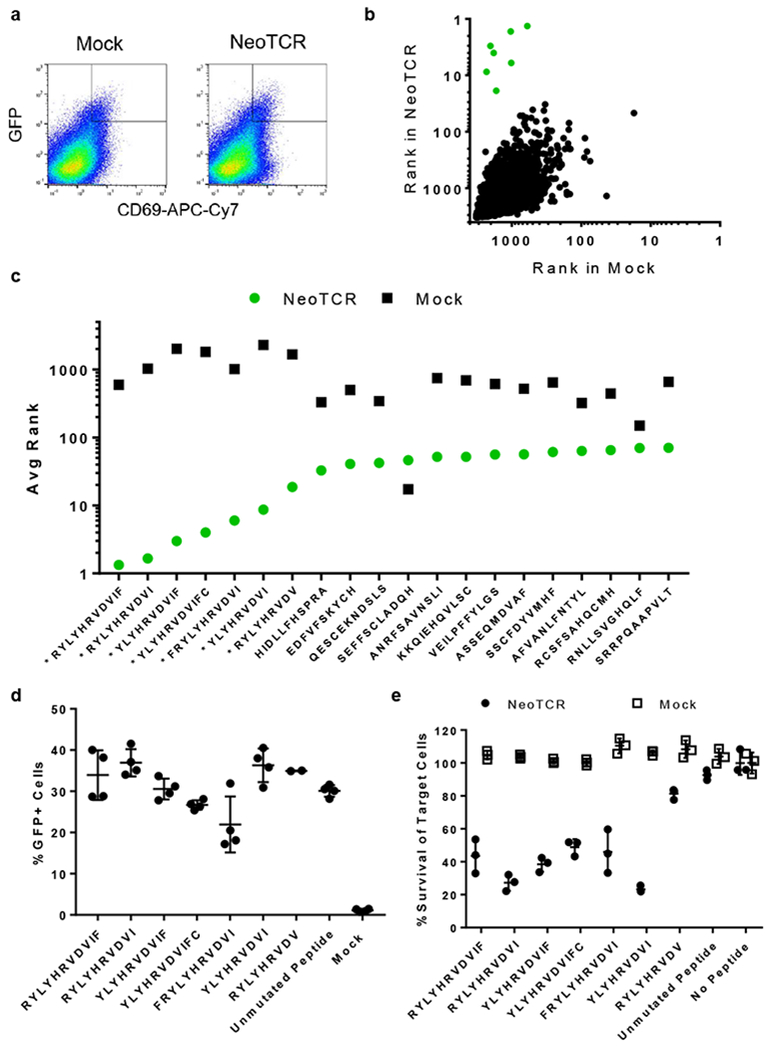
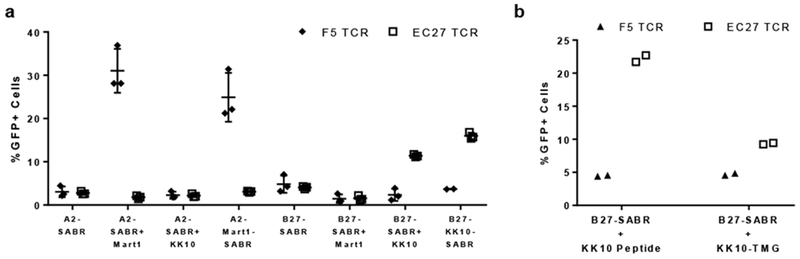
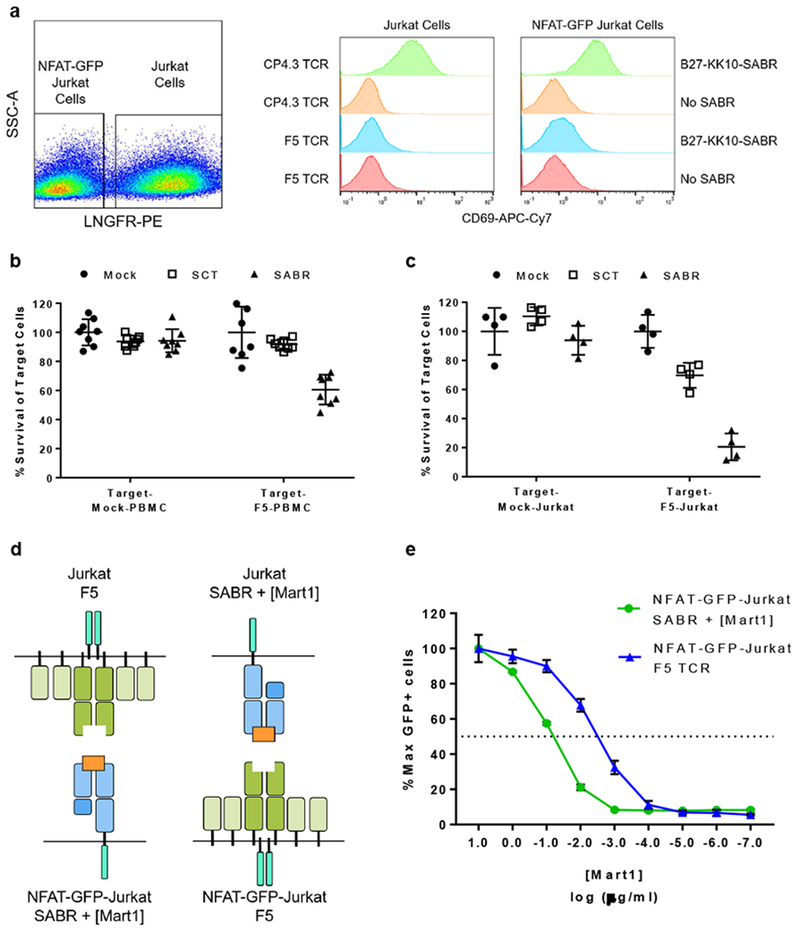
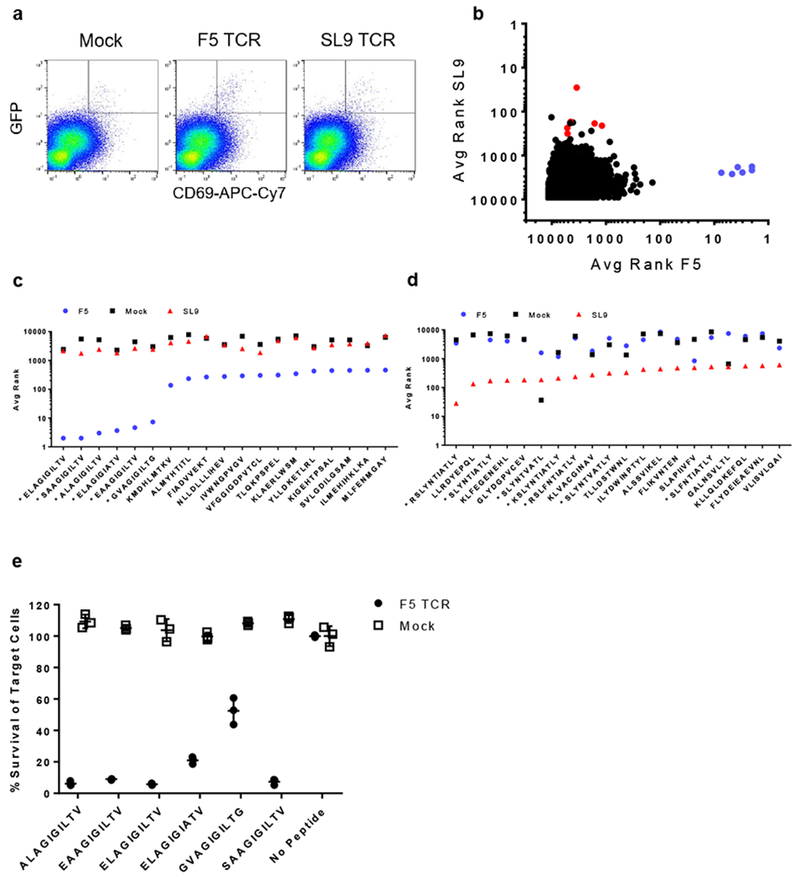
CD8 T cells recognize and eliminate tumors in an antigen-specific manner. Despite progress in characterizing the antitumor T cell repertoire and function, the identification of target antigens remains a challenge. Here we describe the use of chimeric receptors called signaling and antigen-presenting bifunctional receptors (SABRs) in a cell-based platform for T cell receptor (TCR) antigen discovery. SABRs present an extracellular complex comprising a peptide and major histocompatibility complex (MHC), and induce intracellular signaling via a TCR-like signal after binding with a cognate TCR. We devised a strategy for antigen discovery using SABR libraries to screen thousands of antigenic epitopes. We validated this platform by identifying the targets recognized by public TCRs of known specificities. Moreover, we extended this approach for personalized neoantigen discovery.
CD8 T 细胞以抗原特异性的方式识别和消除肿瘤。尽管在描述抗肿瘤 T 细胞库和功能方面取得了进展,但目标抗原的鉴定仍然是一个挑战。在这里,我们描述了在基于细胞的平台中使用称为信号和抗原呈递双功能受体 (SABR) 的嵌合受体来发现 T 细胞受体 (TCR) 抗原。SABR 呈现由肽和主要组织相容性复合物 (MHC) 组成的细胞外复合物,并且在与同源 TCR 结合后通过 TCR 样信号诱导细胞内信号。我们设计了一种使用 SABR 文库进行抗原发现的策略,以筛选数千种抗原表位。我们通过鉴定已知特异性的公共 TCR 识别的靶标验证了该平台。此外,我们还扩展了这种方法用于个性化新抗原的发现。