Speranza Vito, Liparoti Sara, Pantani Roberto, Titomanlio Giuseppe
Department of Industrial Engineering, University of Salerno⁻via Giovanni Paolo II, 132, 84084 Fisciano (SA), Italy.
Materials (Basel). 2019 Jan 30;12(3):424. doi: 10.3390/ma12030424.
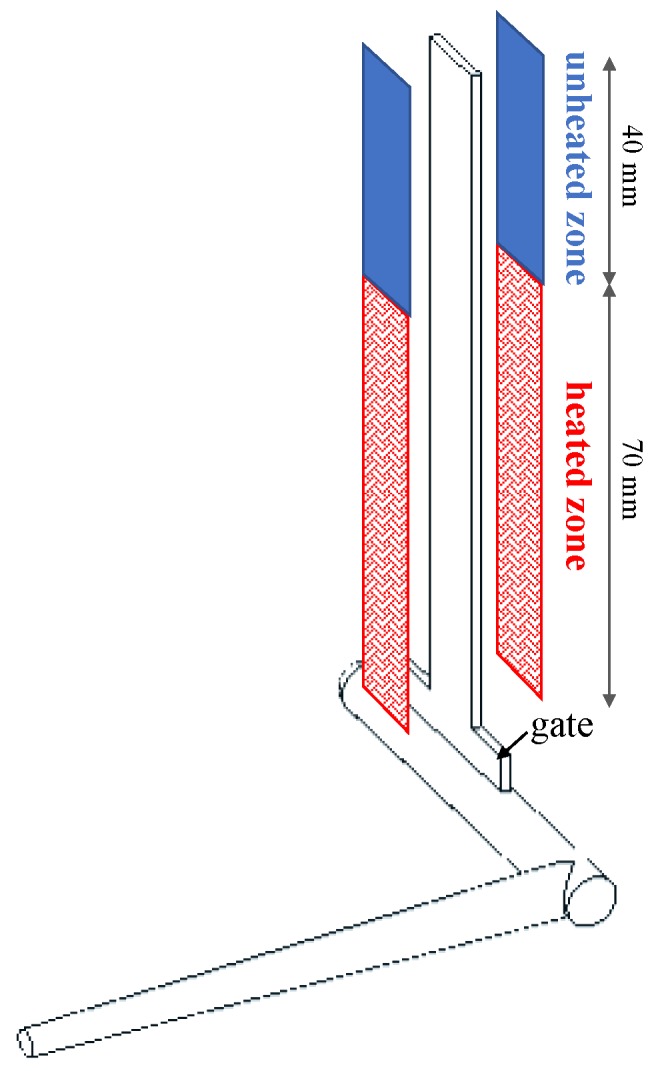
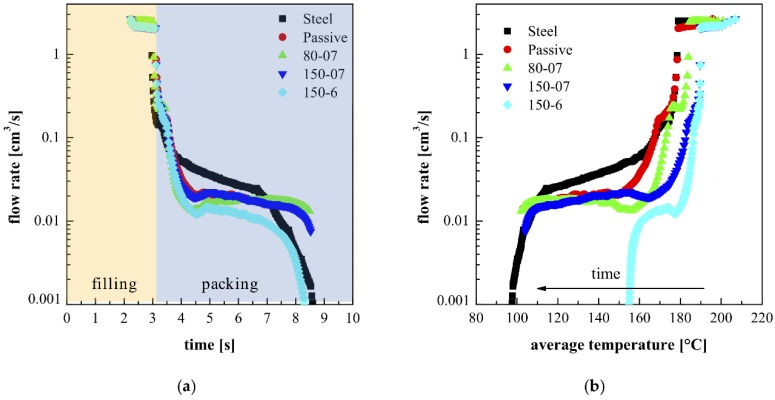
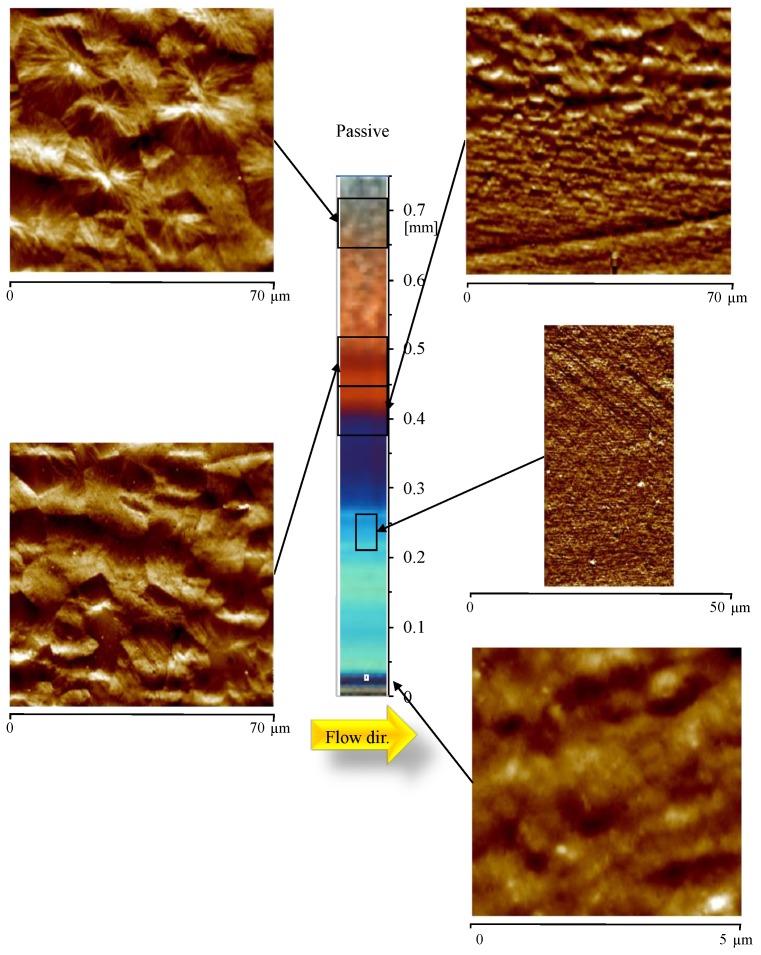
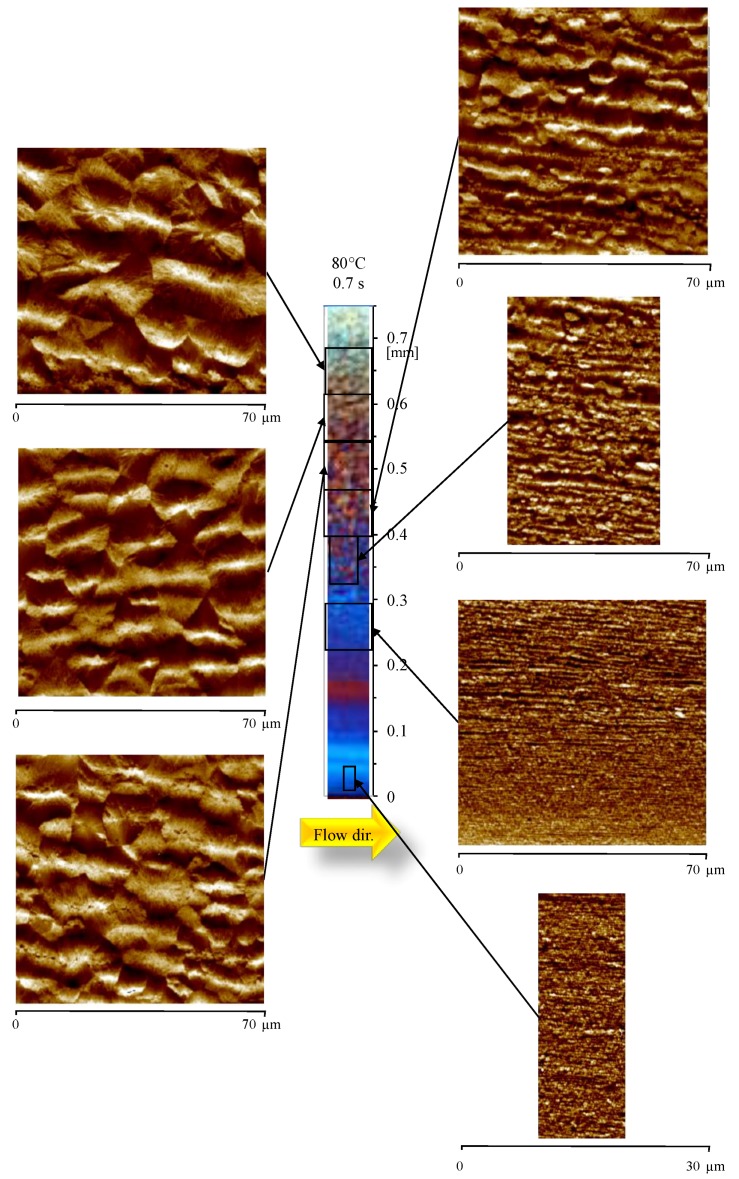
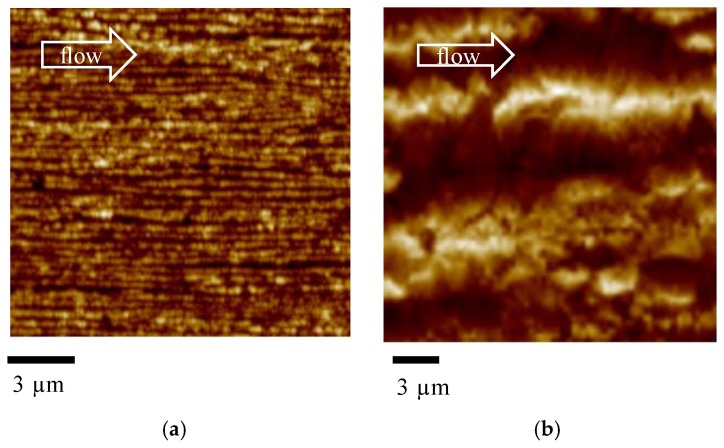
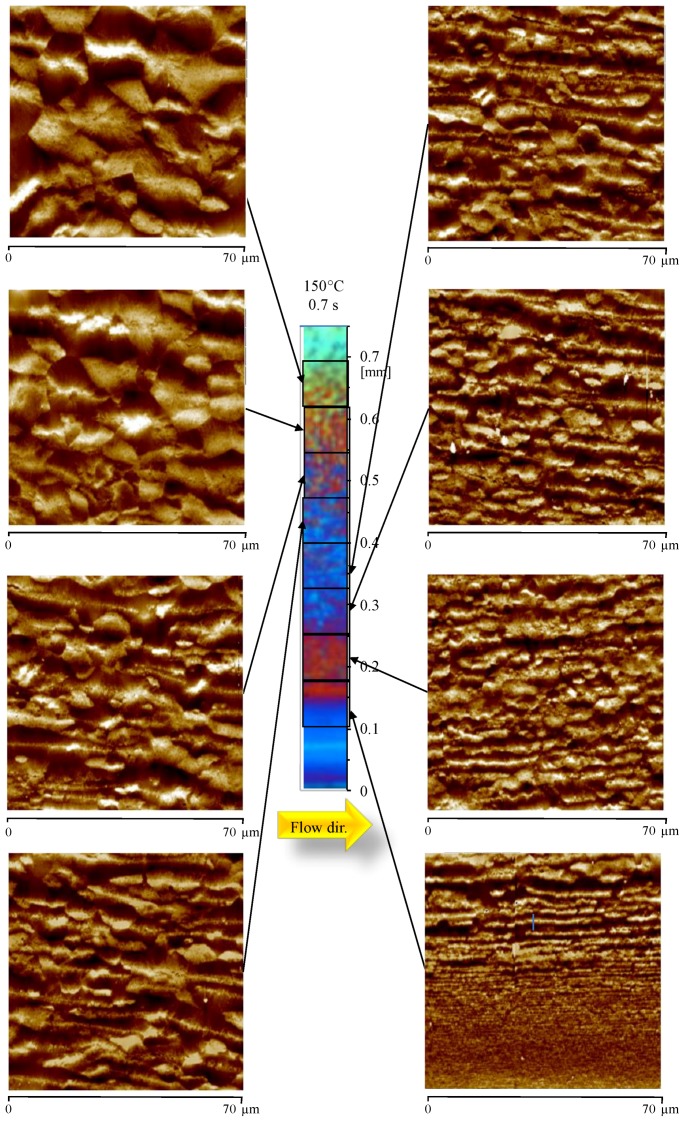
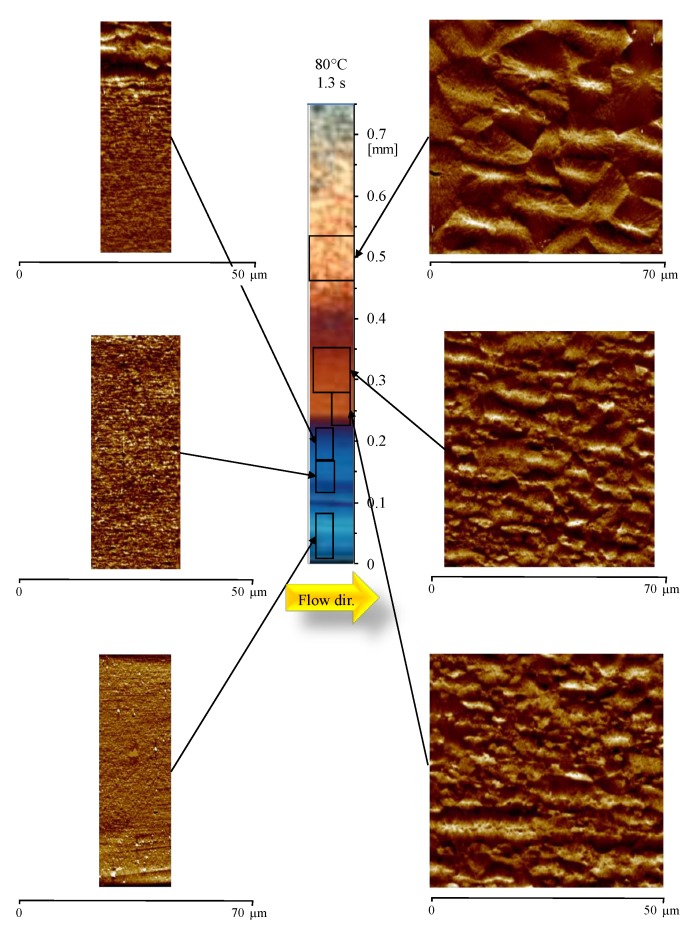
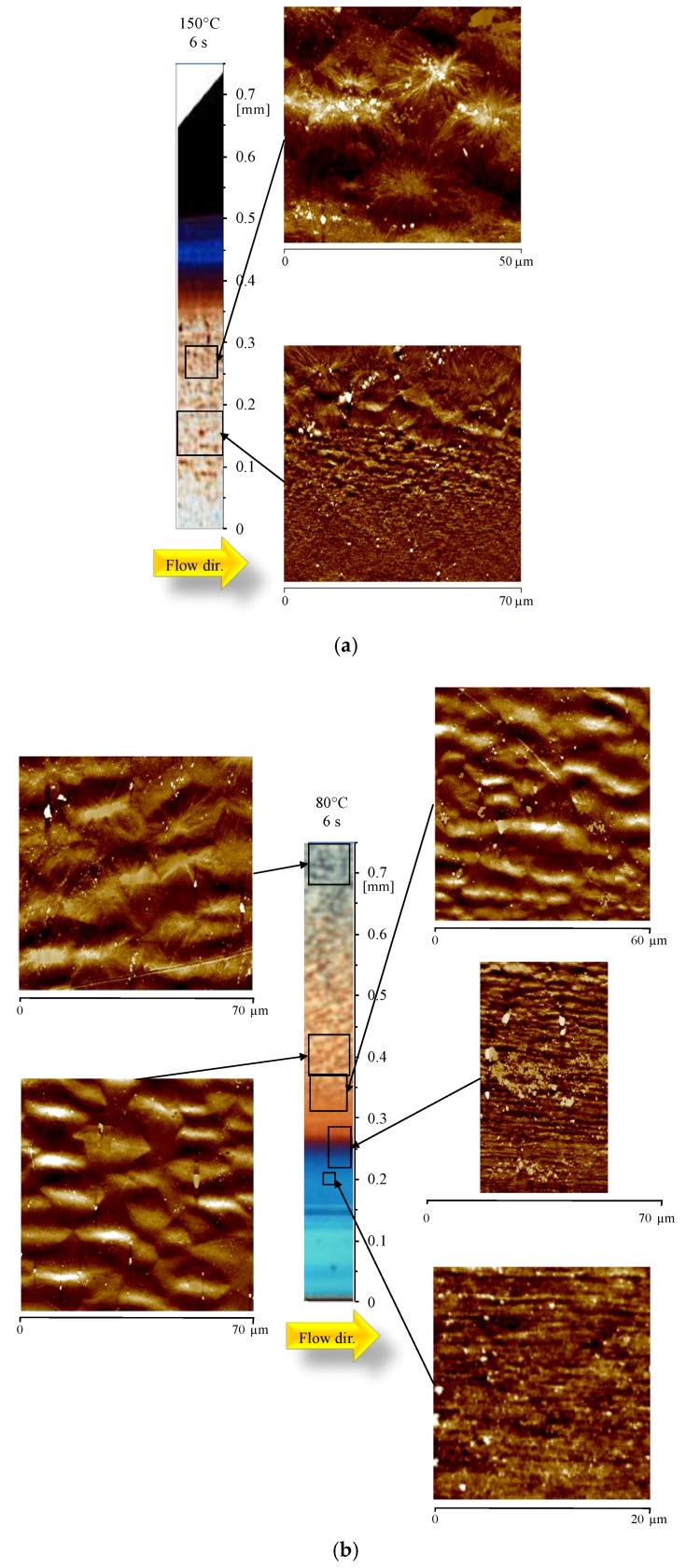
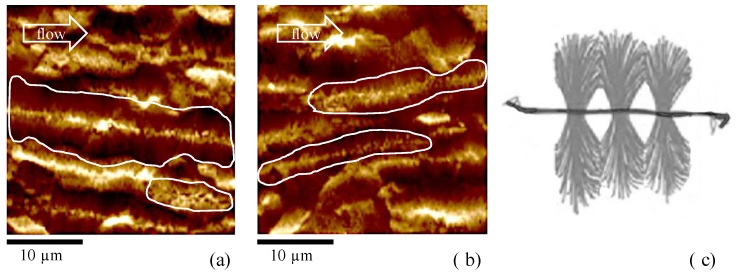
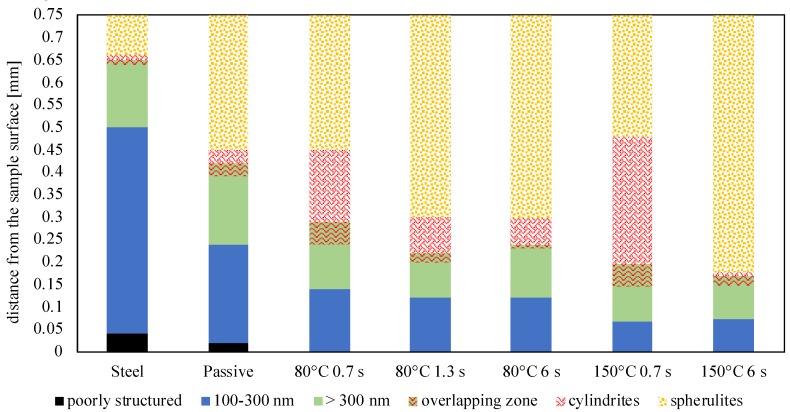
Mold surface temperature strongly influences the molecular orientation and morphology developed in injection molded samples. In this work, an isotactic polypropylene was injected into a rectangular mold, in which the cavity surface temperature was properly modulated during the process by an electrical heating device. The induced thermo-mechanical histories strongly influenced the morphology developed in the injection molded parts. Polarized optical microscope and atomic force microscope were adopted for morphological investigations. The combination of flow field and cooling rate experienced by the polymer determined the hierarchical structure. Under strong flow fields and high temperatures, a tightly packed structure, called shish-kebab, aligned along the flow direction, was observed. Under weak flow fields, the formation of β-phase, as cylindrites form, was observed. The formation of each morphological structure was analyzed and discussed on the bases of the flow and temperature fields, experienced by the polymer during each stage of the injection molding process.
模具表面温度对注塑样品中形成的分子取向和形态有强烈影响。在这项工作中,将等规聚丙烯注入到一个矩形模具中,在该过程中通过电加热装置对型腔表面温度进行适当调节。诱导的热机械历史对注塑部件中形成的形态有强烈影响。采用偏光光学显微镜和原子力显微镜进行形态学研究。聚合物所经历的流场和冷却速率的组合决定了其层级结构。在强流场和高温下,观察到一种沿流动方向排列的紧密堆积结构,称为串晶。在弱流场下,观察到β相以柱状晶形式形成。基于聚合物在注塑成型过程各阶段所经历的流场和温度场,对每种形态结构的形成进行了分析和讨论。