Liparoti Sara, Sofia Daniele, Romano Aldo, Marra Francesco, Pantani Roberto
Department of Industrial Engineering, University of Salerno, Via Giovanni Paolo II, 132, 84084 Fiscian, SA, Italy.
Polymers (Basel). 2021 Jan 27;13(3):399. doi: 10.3390/polym13030399.
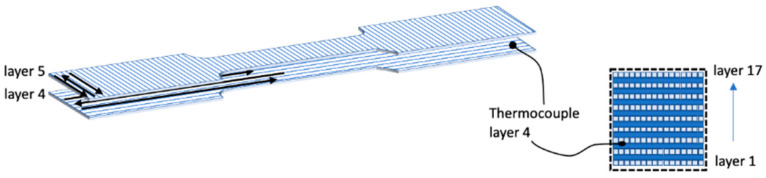
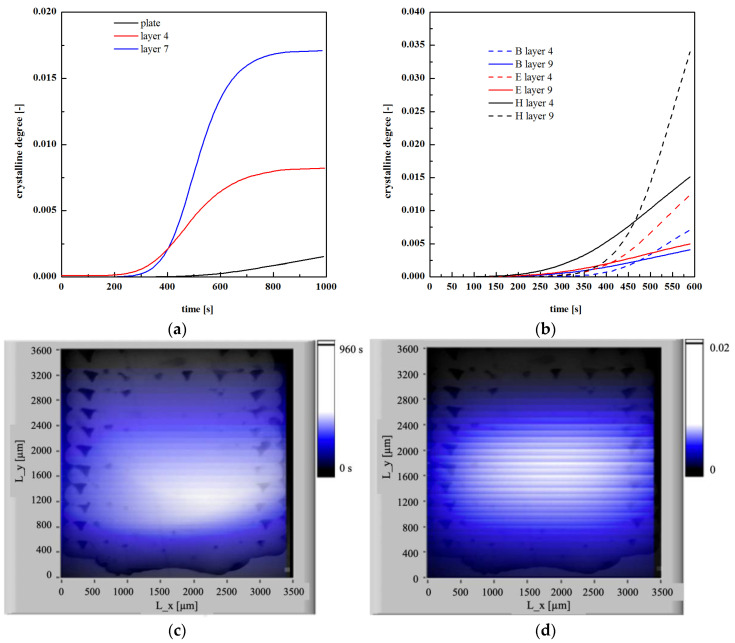
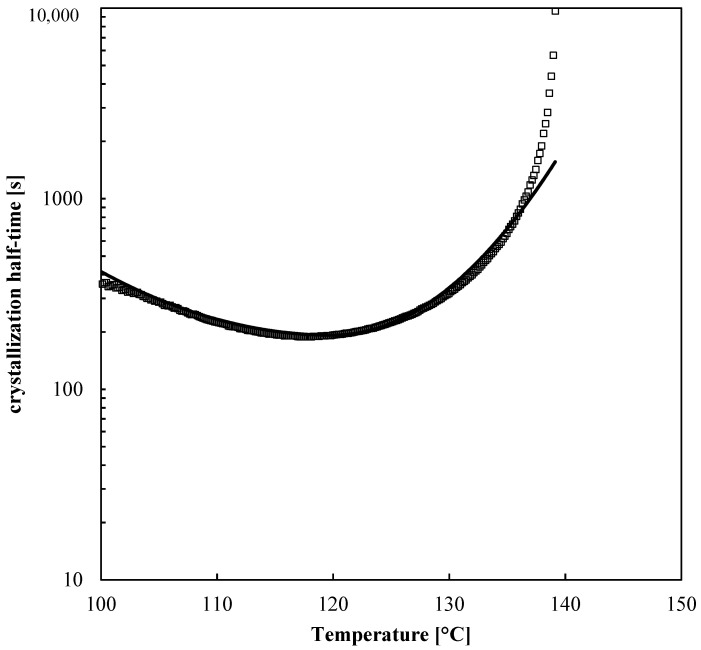
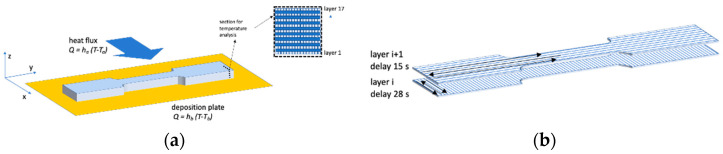
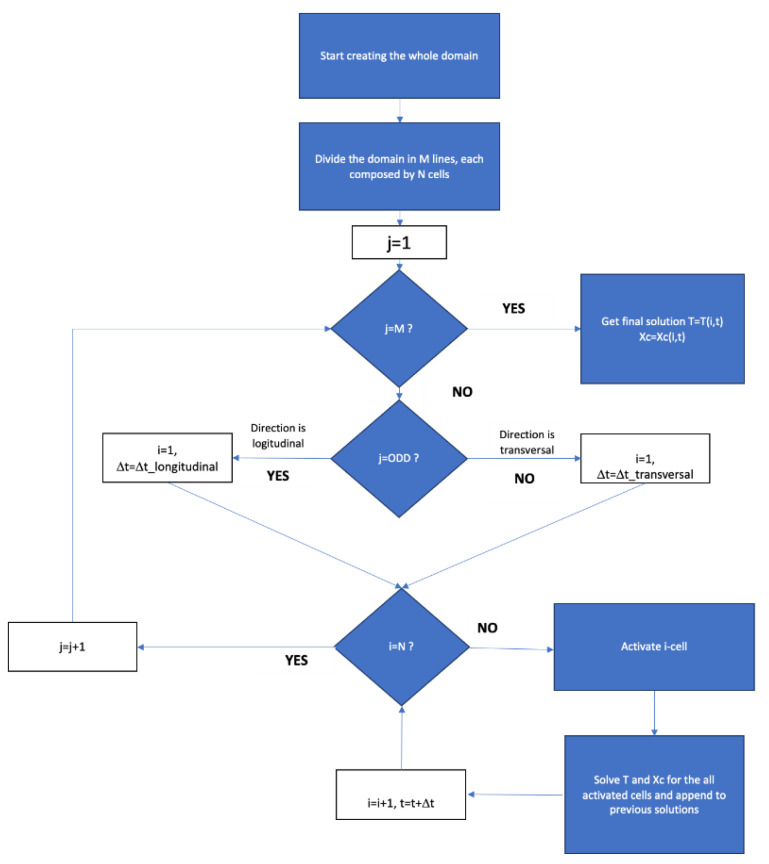
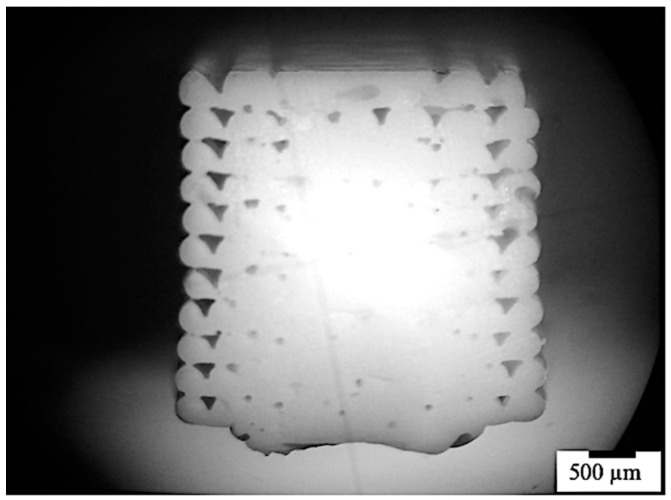
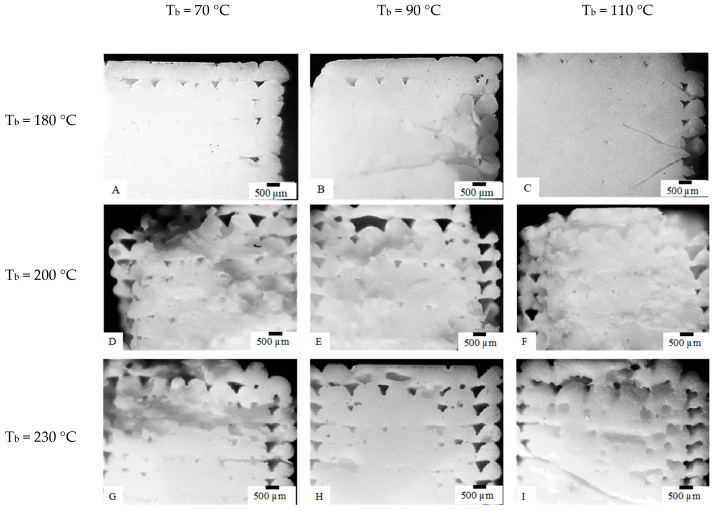
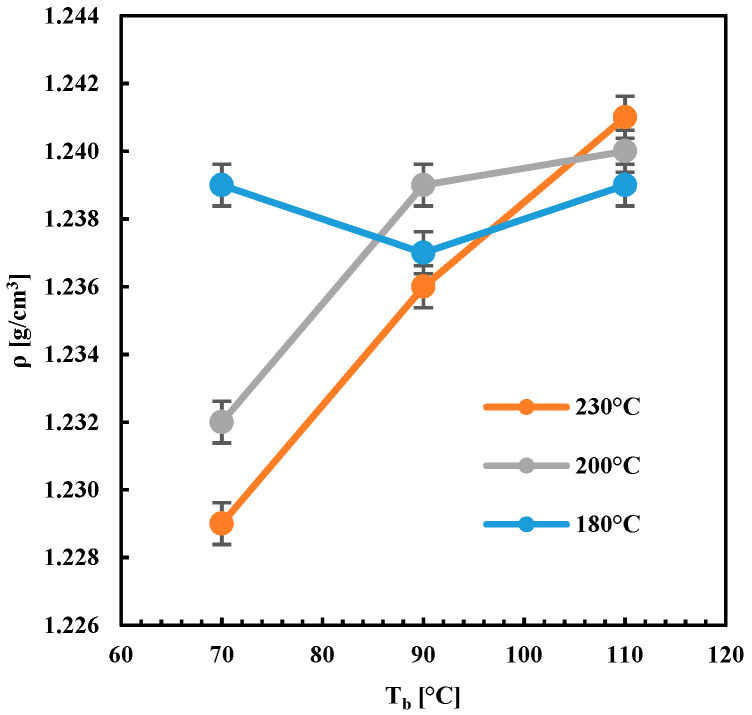
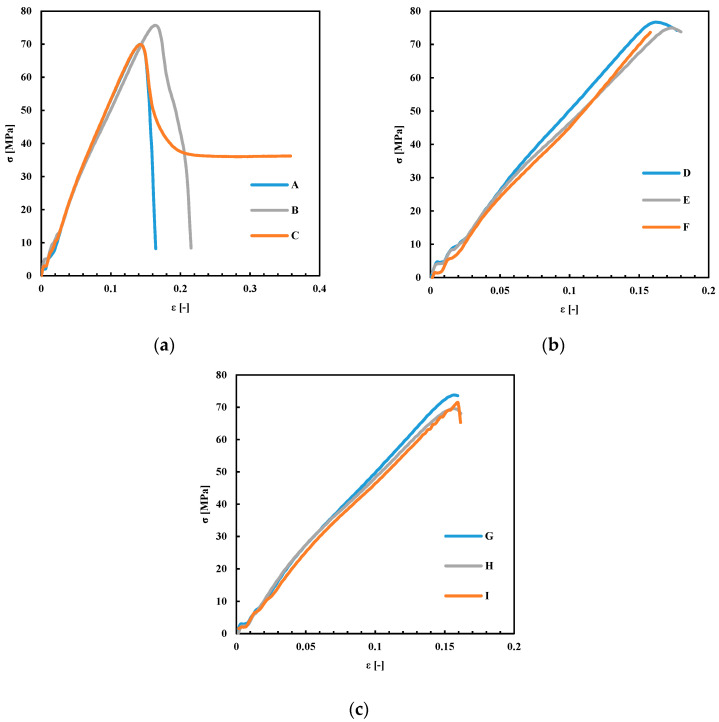
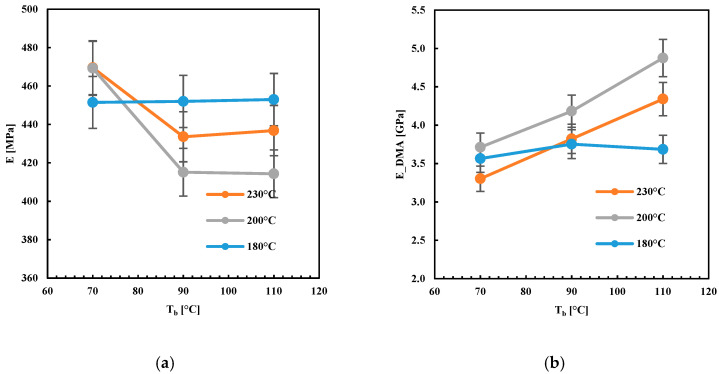
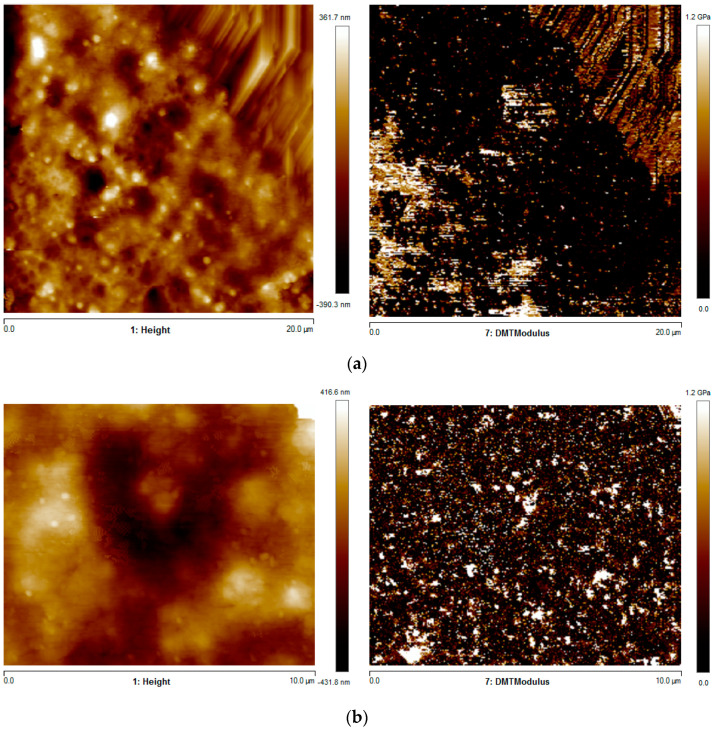
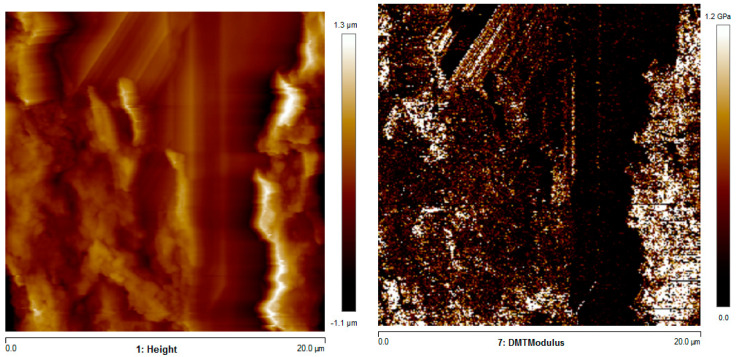
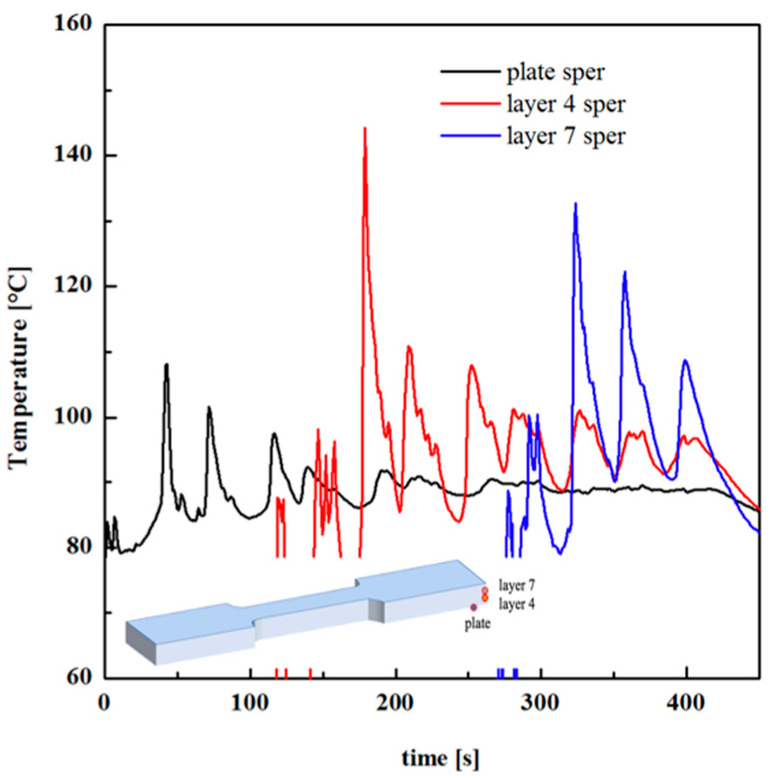
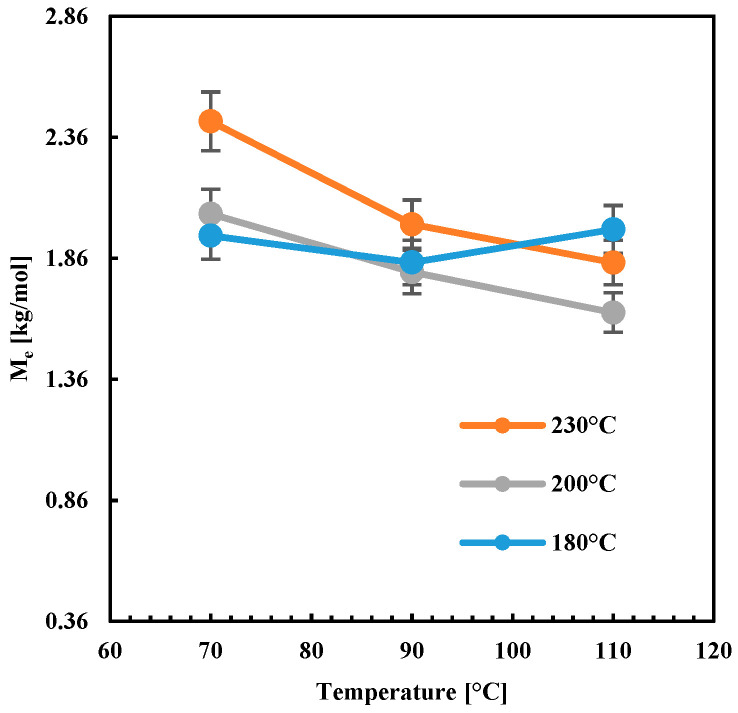
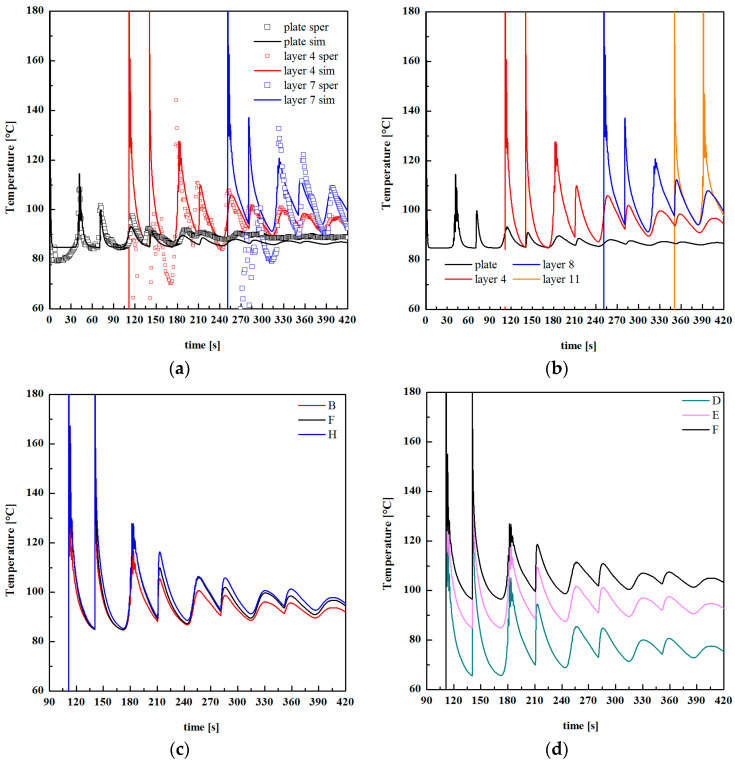
A set of criteria to enhance mechanical performances of standard specimens (Type V, ANSI D368) made of polylactic acid (PLA) were proposed. Fused PLA deposition was conducted with nozzle temperature ranging from 180 to 230 °C and deposition plate temperature ranging from 70 to 110 °C. Optical microscopy, elastic modulus analysis and density measurement allowed emphasizing the effect of temperature field, also measured during the process, on the morphology and the mechanical characteristics of the specimen. Atomic force microscopy revealed a morphology typical of amorphous samples with globular structures. Poor interlayer adhesion was detected in the part of the specimen located at larger distance from the deposition plate, showing an elastic modulus lower than those measured in the central part (220 MPa vs. 500 MPa). The specimen crystallinity degree was below 3%. The molecular weight between entanglements was adopted as a measure of the interlayer molecular diffusion. A successful diffusion and re-entanglement of the polymer melt at the interface was the key to improving mechanical performance. A mathematical model describing the transient heat transfer during the fused PLA deposition and accounting for solidification and the nonisothermal crystallization kinetics was introduced. Simulated temperature evolutions were consistent with the experimental ones. They were related to the mechanical performances, the morphology, and the molecular weight between entanglements of the parts.
提出了一套用于提高由聚乳酸(PLA)制成的标准试样(V型,ANSI D368)机械性能的标准。采用熔融PLA沉积,喷嘴温度范围为180至230°C,沉积板温度范围为70至110°C。通过光学显微镜、弹性模量分析和密度测量,强调了过程中测量的温度场对试样形态和机械特性的影响。原子力显微镜揭示了具有球状结构的典型非晶态样品的形态。在距沉积板较远的试样部分检测到层间附着力较差,其弹性模量低于中心部分测量值(220MPa对500MPa)。试样结晶度低于3%。采用缠结之间的分子量作为层间分子扩散的量度。聚合物熔体在界面处成功扩散和重新缠结是提高机械性能的关键。引入了一个描述熔融PLA沉积过程中瞬态传热并考虑凝固和非等温结晶动力学的数学模型。模拟的温度演变与实验结果一致。它们与零件的机械性能、形态以及缠结之间的分子量有关。