Department of Antibiotic Resistance and Infection Prevention, Norwegian Institute of Public Health, Oslo, Norway.
Norwegian National Advisory Unit on Detection of Antimicrobial Resistance, Department of Microbiology and Infection Control, University Hospital of North Norway, Tromsø, Norway.
PLoS One. 2019 Feb 4;14(2):e0211741. doi: 10.1371/journal.pone.0211741. eCollection 2019.
Scandinavian countries have traditionally had a low prevalence of resistant organisms, but have in recent years experienced a change in their epidemiology. We aim to describe the epidemiology of carbapenemase-producing organisms (CPOs), vancomycin-resistant enterococci (VRE) and methicillin-resistant S. aureus (MRSA) in Norway, measure the importance of infections contracted abroad, and assess the morbidity and mortality associated with these resistant bacteria in Norway.
We used data from the Norwegian surveillance system for communicable diseases covering all findings of the selected resistant bacteria including both infections and colonisation, in the period 2006-2017. Annual trends were assessed using negative binomial regression. For MRSA, we were able to calculate the Morisita-Horn index and transmission numbers following importation in order to assess the effect this had on further domestic transmission.
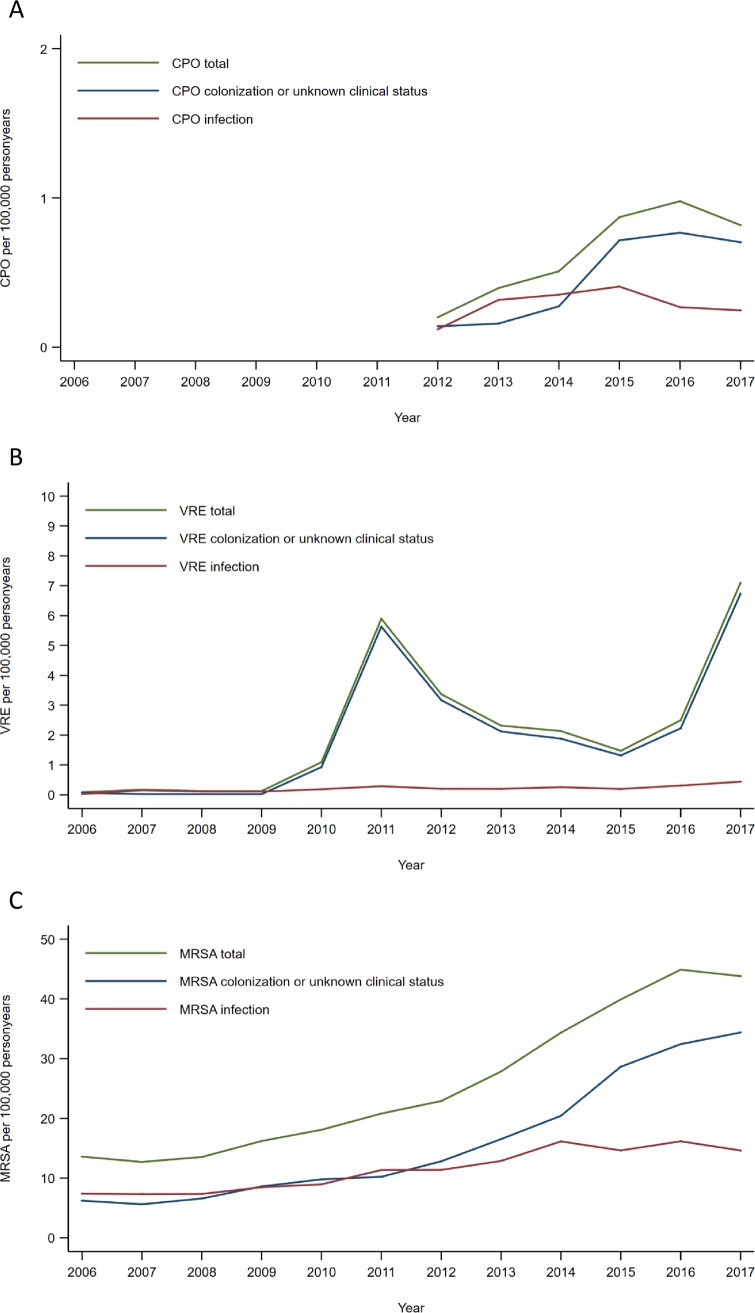
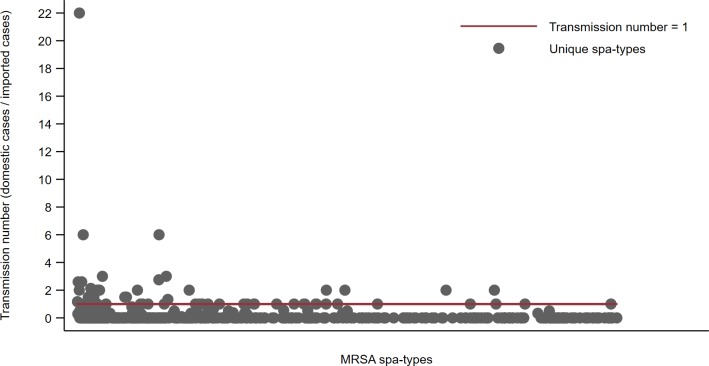
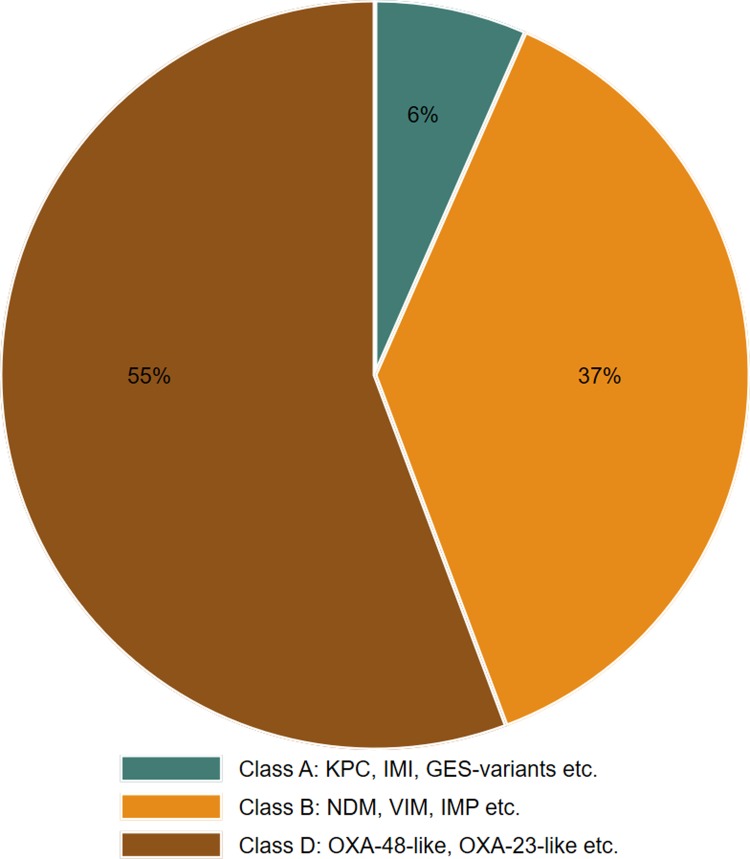
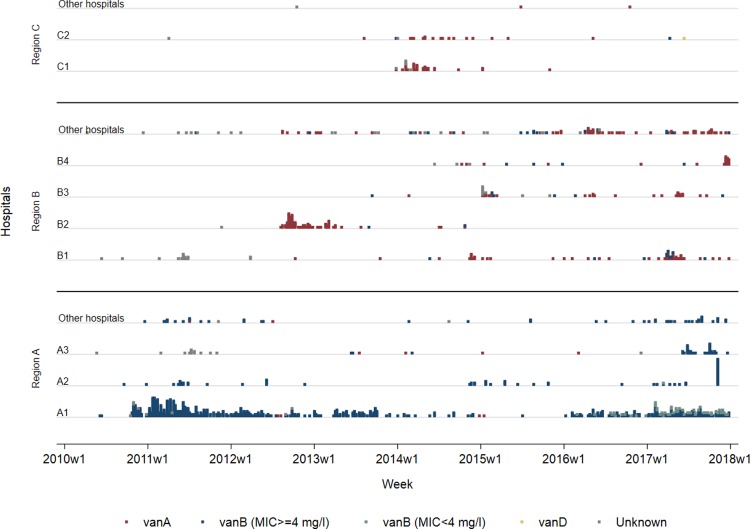
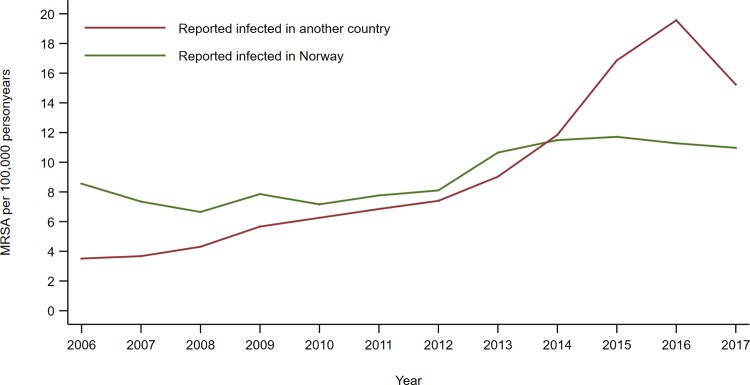
The incidence rates (per 100,000 personyears) of the three groups of resistant bacteria have increased during the period. In 2017 the incidence rates were 0.82 for CPOs, 7.09 for VRE and 43.8 for MRSA. 81% of CPO cases were diagnosed in hospitals, but 73% were infected abroad. Most VRE cases were infected in Norwegian hospitals, 85% were associated with hospitals outbreaks. MRSA was predominantly diagnosed in the community, only 21% were diagnosed in hospitals. Of all MRSA cases, 35% were infected in other countries. Most MRSA spa-types were not identified again after introduction, resulting in a transmission of MRSA equivalent to a mean of 0.30 persons infected from each spa-type identified (range: 0-22). The proportion of infections among all notified cases within each diagnose was 44% for MRSA, 9% for VRE and 45% for CPOs. Among persons notified with bacteraemia, the 30 days all-cause mortality were 20%, 16% and 50% for MRSA, VRE and CPOs respectively.
The incidence rates of CPOs, VRE and MRSA in Norway are low, but increasing. The continuing increase of notified resistant bacteria highlights the need for a revision of existing infection prevention and control guidelines.
斯堪的纳维亚国家的耐药菌流行率一直较低,但近年来其流行情况发生了变化。我们旨在描述挪威产碳青霉烯酶的耐药菌(CPO)、万古霉素耐药肠球菌(VRE)和耐甲氧西林金黄色葡萄球菌(MRSA)的流行病学,测量国外感染的重要性,并评估这些耐药菌在挪威的发病率和死亡率。
我们使用了挪威传染病监测系统的数据,该系统涵盖了所选耐药菌的所有发现,包括感染和定植,时间为 2006 年至 2017 年。使用负二项式回归评估年度趋势。对于 MRSA,我们能够计算传入后的莫里萨-霍恩指数和传播数量,以评估其对国内进一步传播的影响。
在研究期间,这三组耐药菌的发病率(每 10 万人年)都有所增加。2017 年,CPO 的发病率为 0.82,VRE 为 7.09,MRSA 为 43.8。81%的 CPO 病例在医院确诊,但 73%的病例是在国外感染的。大多数 VRE 病例是在挪威医院感染的,85%与医院爆发有关。MRSA 主要在社区中诊断,只有 21%在医院诊断。所有 MRSA 病例中,35%是在其他国家感染的。引入后,大多数 MRSA spa 型未再次出现,导致每个识别出的 spa 型的 MRSA 传播相当于平均感染 0.30 人(范围:0-22)。在每个诊断中,所有报告病例中感染的比例分别为 MRSA 44%、VRE 9%和 CPO 45%。在报告菌血症的患者中,30 天全因死亡率分别为 MRSA 20%、VRE 16%和 CPO 50%。
挪威的 CPO、VRE 和 MRSA 的发病率较低,但呈上升趋势。不断增加的耐药菌报告突出表明需要修订现有的感染预防和控制指南。