Apatean Delia, Rakic Bojana, Brunel-Guitton Catherine, Hendson Glenda, Bai Renkui, Sargent Michael A, Lavoie Pascal M, Patel Millan, Stockler-Ipsiroglu Sylvia
Division of Biochemical Diseases, Department of Pediatric, University of British Columbia, BC Children's Hospital, Room K3-206, 4480 Oak Street, Vancouver, BC V6H 3V4, Canada.
BC Newborn Screening Program and Biochemical Genetics Lab, BC Children's Hospital, BC Women's Hospital & Health Centre, 2F16-4500 Oak Street, Vancouver, BC V6H 3N1, Canada.
Mol Genet Metab Rep. 2019 Jan 18;18:32-38. doi: 10.1016/j.ymgmr.2018.12.006. eCollection 2019 Mar.
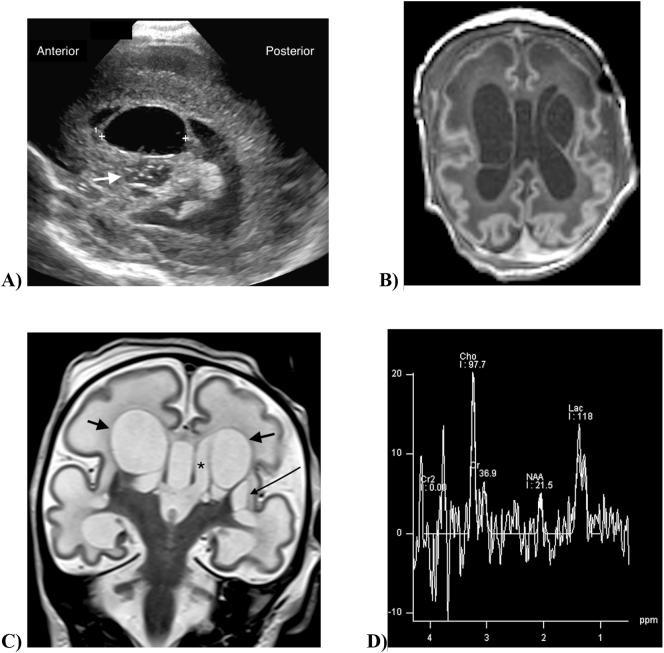
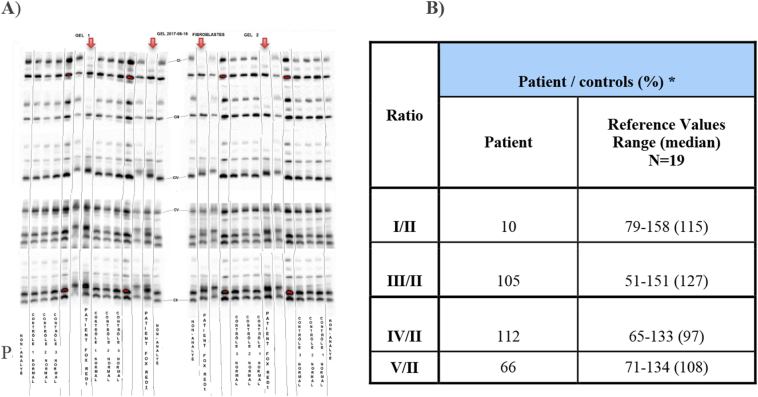
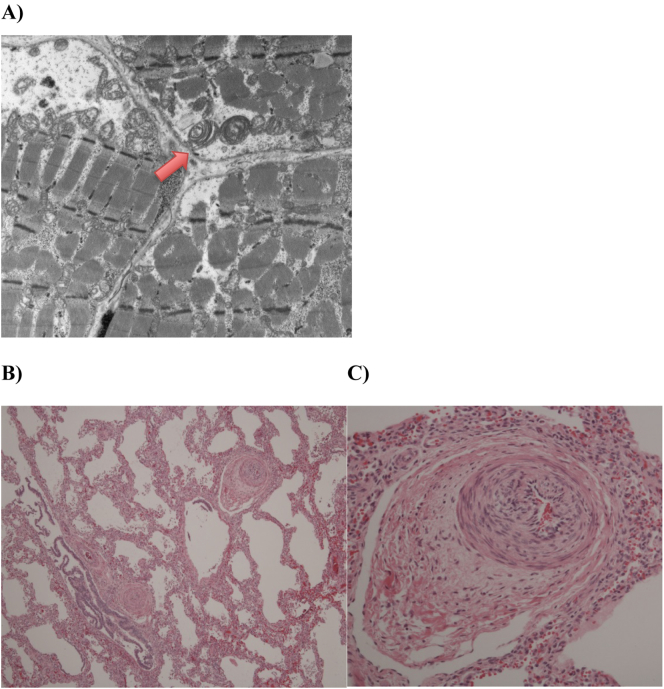
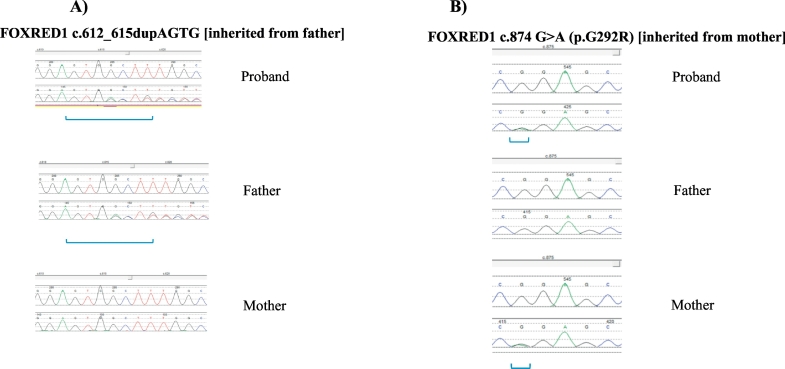
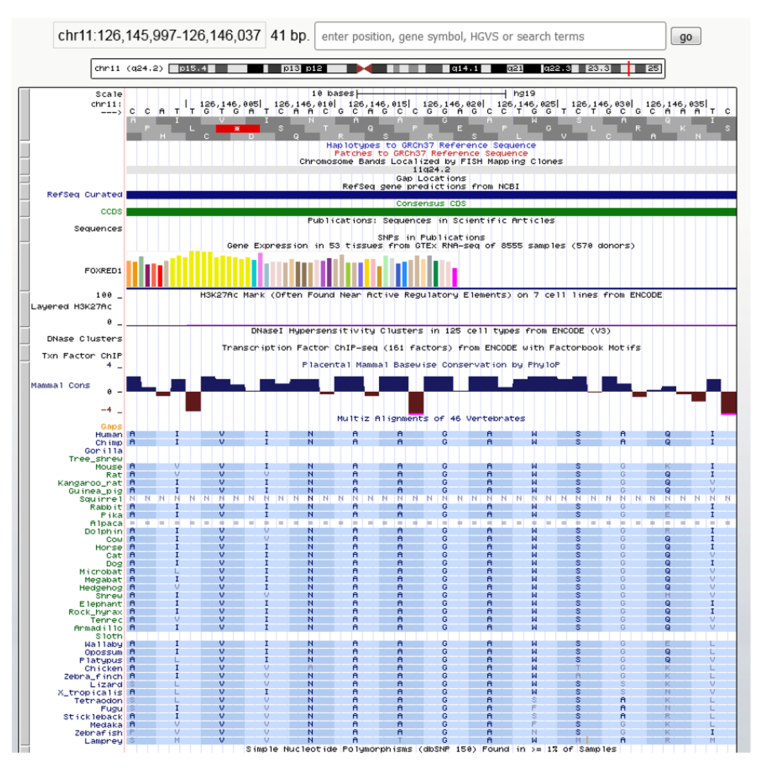
Mitochondrial complex I is encoded by 38 nuclear-encoded and 7 mitochondrial-encoded genes. is one of the 13 additional nuclear genes known as assembly factors. So far, four patients have been described with complex I deficiency caused by autosomal recessive mutations in Here, we report the fifth patient with related complex 1 deficiency presenting with prenatal onset of bilateral periventricular cysts, congenital lactic acidosis, and persistent life-limiting pulmonary hypertension. Whole exome sequencing identified a compound heterozygosity for a known pathogenic variant (c.612_615dupAGTG; p.A206SfsX15) (paternal) and a likely pathogenic variant (c.874G > A; p.Gly292Arg) (maternal). Deficiency of complex I was demonstrated by the absence of complex I on Blue Native Gel Electrophoresis and by a significantly reduced complex I enzyme activity in the patient's fibroblasts. Compared with the previous known cases, unique clinical features observed in our patient include bilateral periventricular cysts and severe pulmonary hypertension. Whole exome sequencing was instrumental in recognizing the underlying gene defect in this patient.
线粒体复合物I由38个核编码基因和7个线粒体编码基因编码。是13个被称为组装因子的额外核基因之一。到目前为止,已经描述了4例由常染色体隐性突变导致复合物I缺乏的患者。在此,我们报告第5例与复合物I缺乏相关的患者,其表现为产前双侧脑室周围囊肿、先天性乳酸性酸中毒和持续性危及生命的肺动脉高压。全外显子组测序确定了一个已知致病变异(c.612_615dupAGTG;p.A206SfsX15)(父系)和一个可能致病变异(c.874G>A;p.Gly292Arg)(母系)的复合杂合性。蓝色非变性凝胶电泳显示复合物I缺失,患者成纤维细胞中复合物I酶活性显著降低,证实了复合物I缺乏。与之前已知的病例相比,我们患者中观察到的独特临床特征包括双侧脑室周围囊肿和严重的肺动脉高压。全外显子组测序有助于识别该患者潜在的基因缺陷。