Metabolic Research Laboratories, Wellcome Trust MRC Institute of Metabolic Science, Addenbrooke's Hospital, Hills Road, Cambridge CB2 0QQ, UK.
Department of Medicine, University of Massachusetts Medical School, Worcester, MA, USA.
Cell Rep. 2019 Feb 5;26(6):1399-1408.e6. doi: 10.1016/j.celrep.2019.01.047.
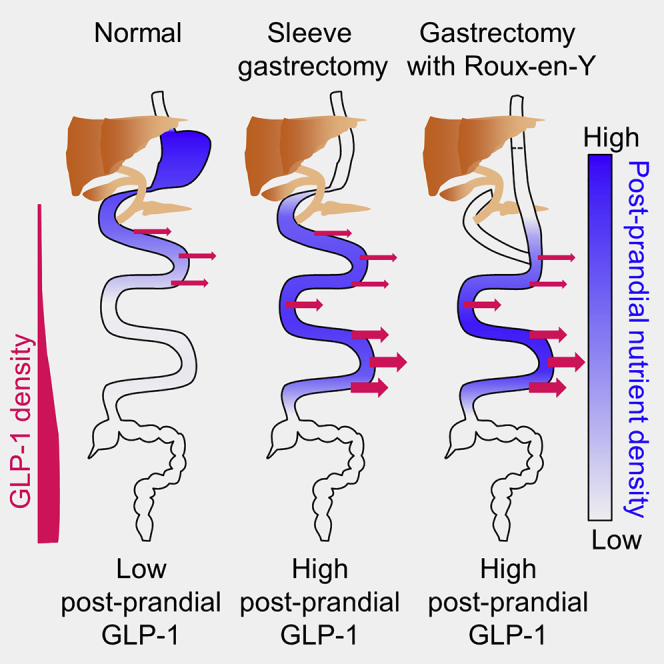
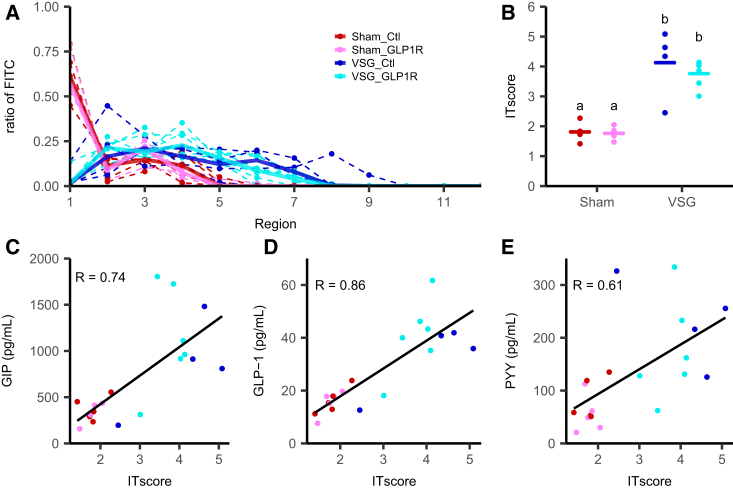
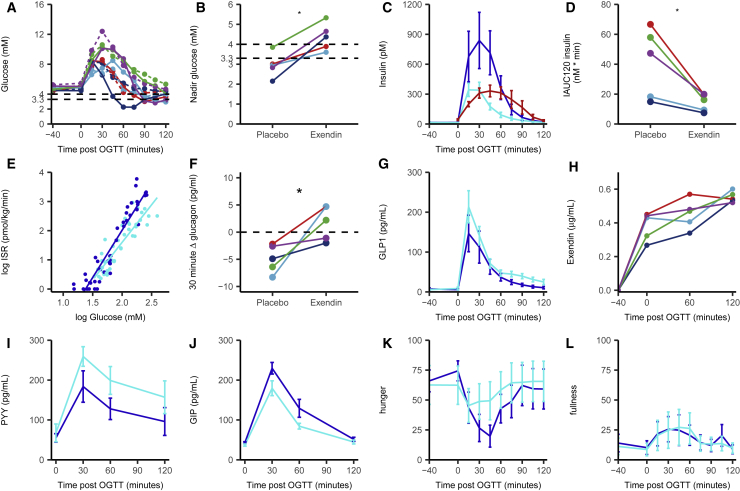
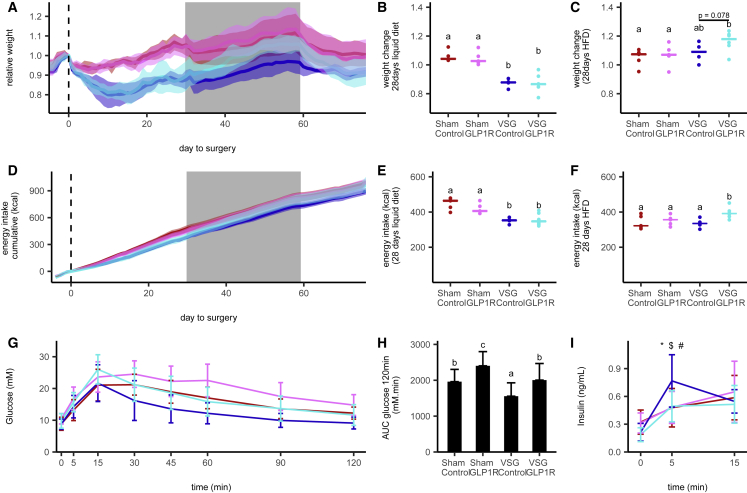
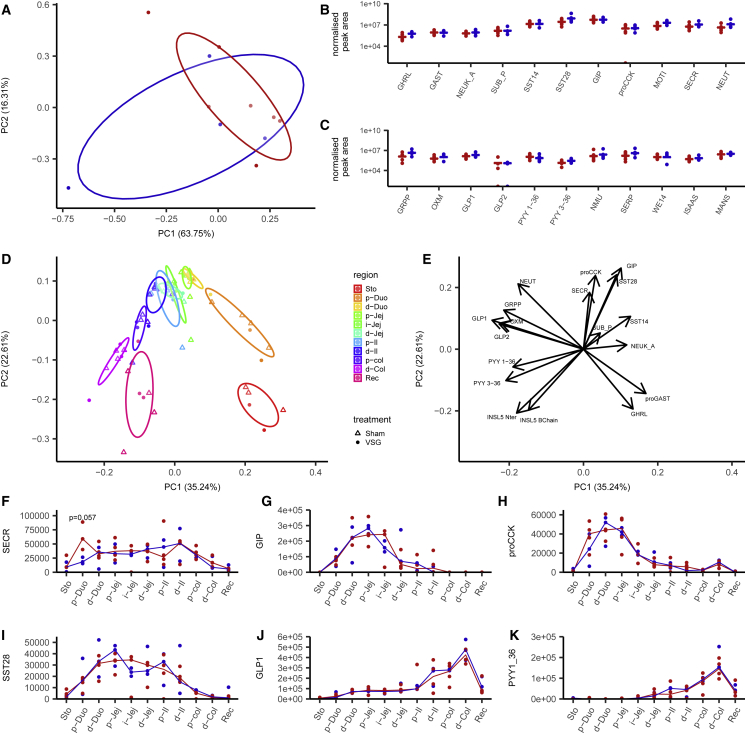
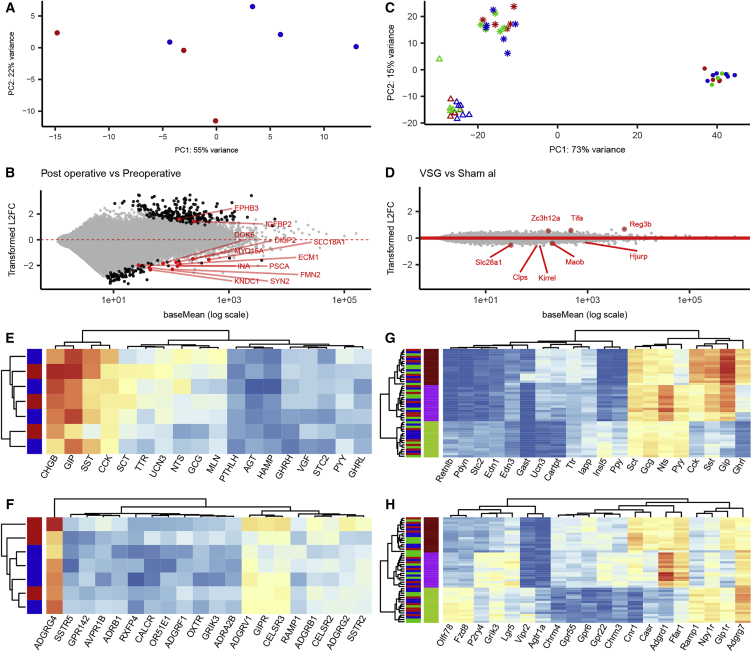
Bariatric surgery is widely used to treat obesity and improves type 2 diabetes beyond expectations from the degree of weight loss. Elevated post-prandial concentrations of glucagon-like peptide 1 (GLP-1), peptide YY (PYY), and insulin are widely reported, but the importance of GLP-1 in post-bariatric physiology remains debated. Here, we show that GLP-1 is a major driver of insulin secretion after bariatric surgery, as demonstrated by blocking GLP-1 receptors (GLP1Rs) post-gastrectomy in lean humans using Exendin-9 or in mice using an anti-GLP1R antibody. Transcriptomics and peptidomics analyses revealed that human and mouse enteroendocrine cells were unaltered post-surgery; instead, we found that elevated plasma GLP-1 and PYY correlated with increased nutrient delivery to the distal gut in mice. We conclude that increased GLP-1 secretion after bariatric surgery arises from rapid nutrient delivery to the distal gut and is a key driver of enhanced insulin secretion.
减重手术被广泛用于治疗肥胖症,并且在减轻体重的程度之外,还能出乎意料地改善 2 型糖尿病。人们广泛报道了术后胰高血糖素样肽 1(GLP-1)、肽 YY(PYY)和胰岛素的餐后浓度升高,但 GLP-1 在减重后生理机能中的重要性仍存在争议。在这里,我们表明 GLP-1 是减重手术后胰岛素分泌的主要驱动因素,这通过在瘦人胃切除术后使用 Exendin-9 或在小鼠中使用抗 GLP1R 抗体阻断 GLP-1 受体(GLP1R)来证明。转录组学和肽组学分析表明,人类和小鼠的肠内分泌细胞在手术后没有改变;相反,我们发现升高的血浆 GLP-1 和 PYY 与小鼠远端肠道中营养物质输送增加相关。我们得出结论,减重手术后 GLP-1 分泌的增加源于快速向远端肠道输送营养物质,并且是增强胰岛素分泌的关键驱动因素。