Shimomura Takumi, Nishijima Kohki, Kikuchi Takeshi
Department of Bioinformatics, College of Life Sciences, Ritsumeikan University, 1-1-1 Nojihigashi, Kusatsu, Shiga, 525-8577, Japan.
BMC Struct Biol. 2019 Feb 6;19(1):3. doi: 10.1186/s12900-019-0101-3.
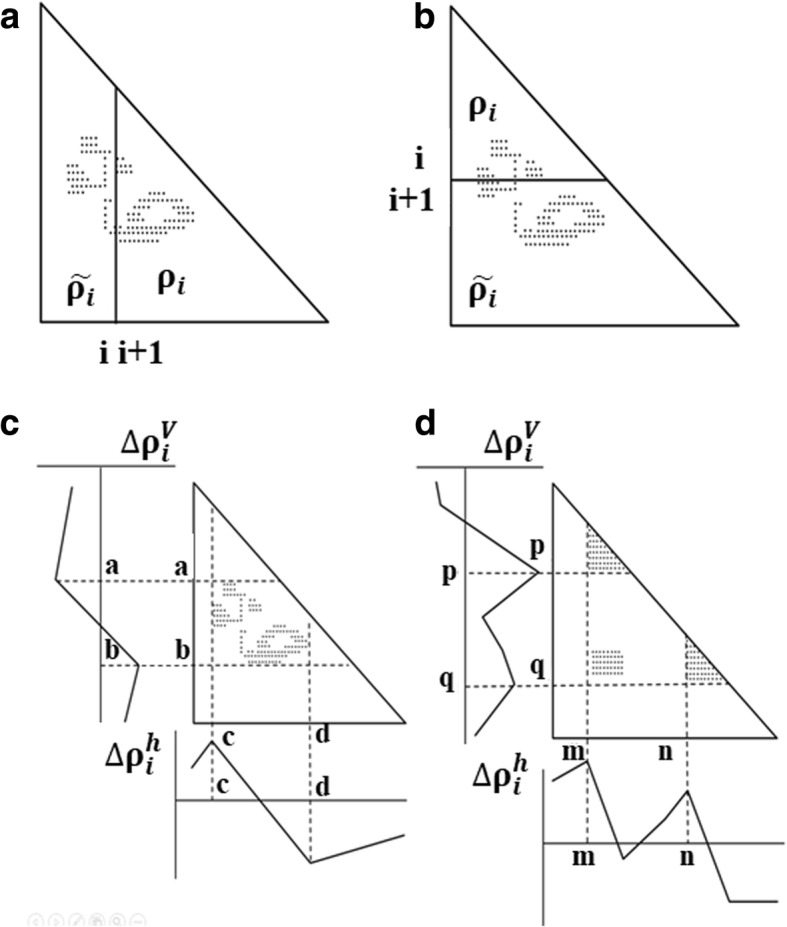
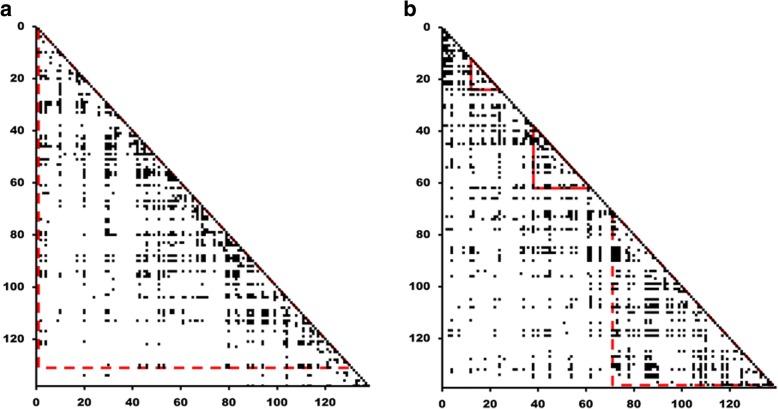
It had long been thought that a protein exhibits its specific function through its own specific 3D-structure under physiological conditions. However, subsequent research has shown that there are many proteins without specific 3D-structures under physiological conditions, so-called intrinsically disordered proteins (IDPs). This study presents a new technique for predicting intrinsically disordered regions in a protein, based on our average distance map (ADM) technique. The ADM technique was developed to predict compact regions or structural domains in a protein. In a protein containing partially disordered regions, a domain region is likely to be ordered, thus it is unlikely that a disordered region would be part of any domain. Therefore, the ADM technique is expected to also predict a disordered region between domains.
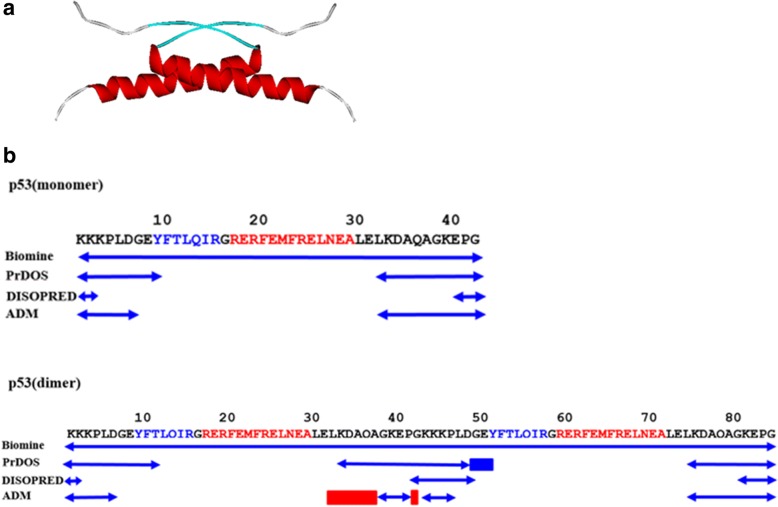
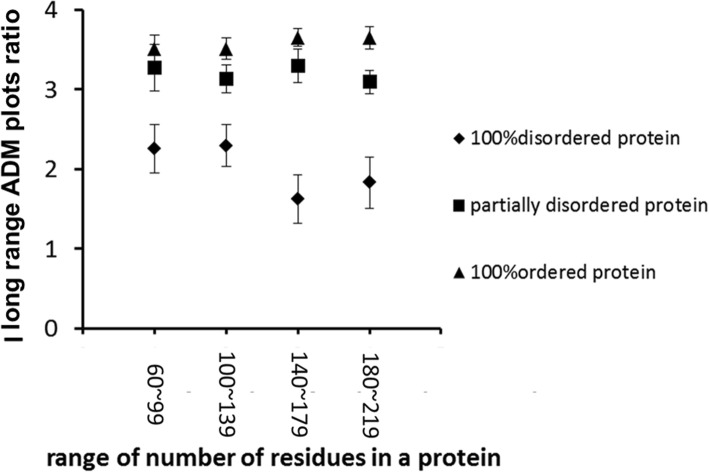
The results of our new technique are comparable to the top three performing techniques in the community-wide CASP10 experiment. We further discuss the case of p53, a tumor-suppressor protein, which is the most significant protein among cell cycle regulatory proteins. This protein exhibits a disordered character as a monomer but an ordered character when two p53s form a dimer.
Our technique can predict the location of an intrinsically disordered region in a protein with an accuracy comparable to the best techniques proposed so far. Furthermore, it can also predict a core region of IDPs forming definite 3D structures through interactions, such as dimerization. The technique in our study may also serve as a means of predicting a disordered region which would become an ordered structure when binding to another protein.
长期以来,人们一直认为蛋白质在生理条件下通过自身特定的三维结构发挥其特定功能。然而,随后的研究表明,在生理条件下存在许多没有特定三维结构的蛋白质,即所谓的内在无序蛋白质(IDP)。本研究基于我们的平均距离图(ADM)技术,提出了一种预测蛋白质中内在无序区域的新技术。ADM技术是为预测蛋白质中的紧密区域或结构域而开发的。在含有部分无序区域的蛋白质中,结构域区域可能是有序的,因此无序区域不太可能是任何结构域的一部分。因此,预计ADM技术也能预测结构域之间的无序区域。
我们新技术的结果与全社区CASP10实验中表现最佳的三种技术相当。我们进一步讨论了肿瘤抑制蛋白p53的情况,它是细胞周期调节蛋白中最重要的蛋白质。这种蛋白质作为单体时表现出无序特征,但当两个p53形成二聚体时则表现出有序特征。
我们的技术能够预测蛋白质中内在无序区域的位置,其准确性与目前提出的最佳技术相当。此外,它还可以预测通过相互作用(如二聚化)形成确定三维结构的IDP的核心区域。我们研究中的技术还可以作为一种预测无序区域的方法,该区域在与另一种蛋白质结合时会变成有序结构。