Programa de Pós Graduação em Ciências Biológicas, Universidade Federal de Ouro Preto, Ouro Preto, Brazil.
Núcleo de Pesquisas em Ciências Biológicas, Universidade Federal de Ouro Preto, Ouro Preto, Brazil.
Front Immunol. 2019 Jan 22;9:3137. doi: 10.3389/fimmu.2018.03137. eCollection 2018.
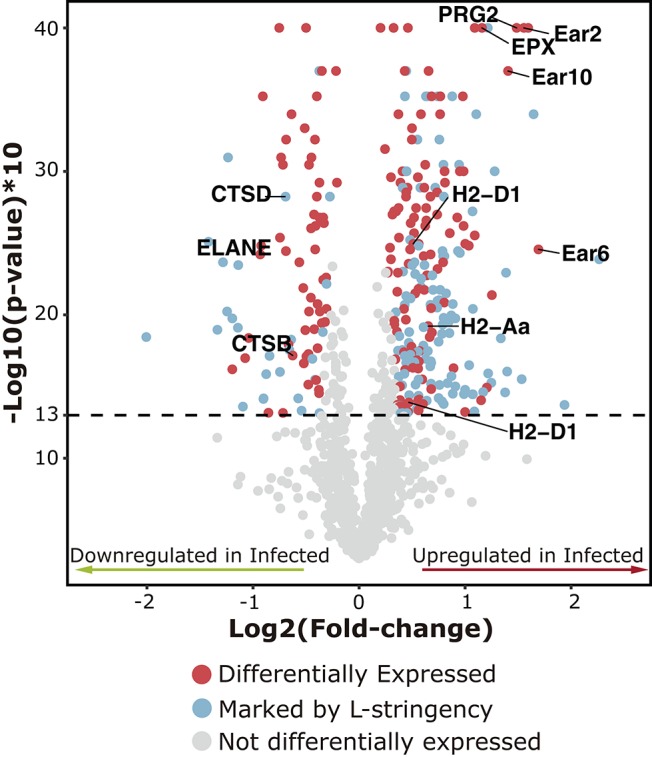
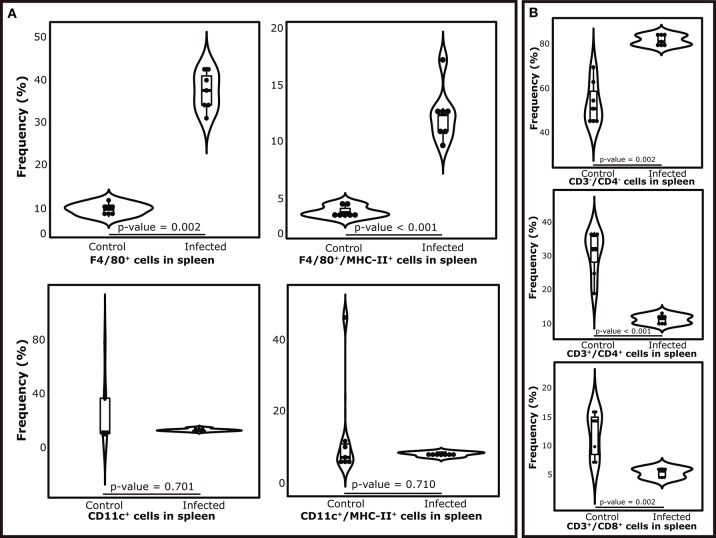
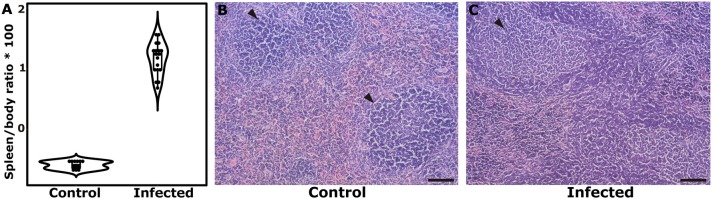
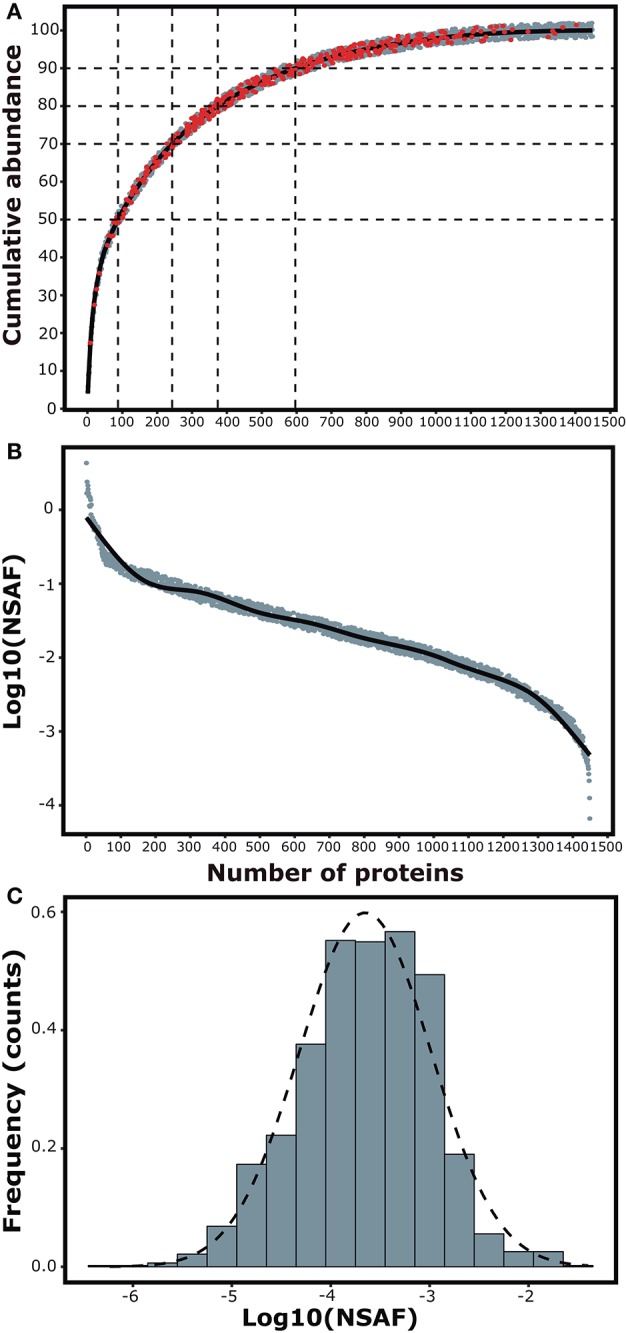
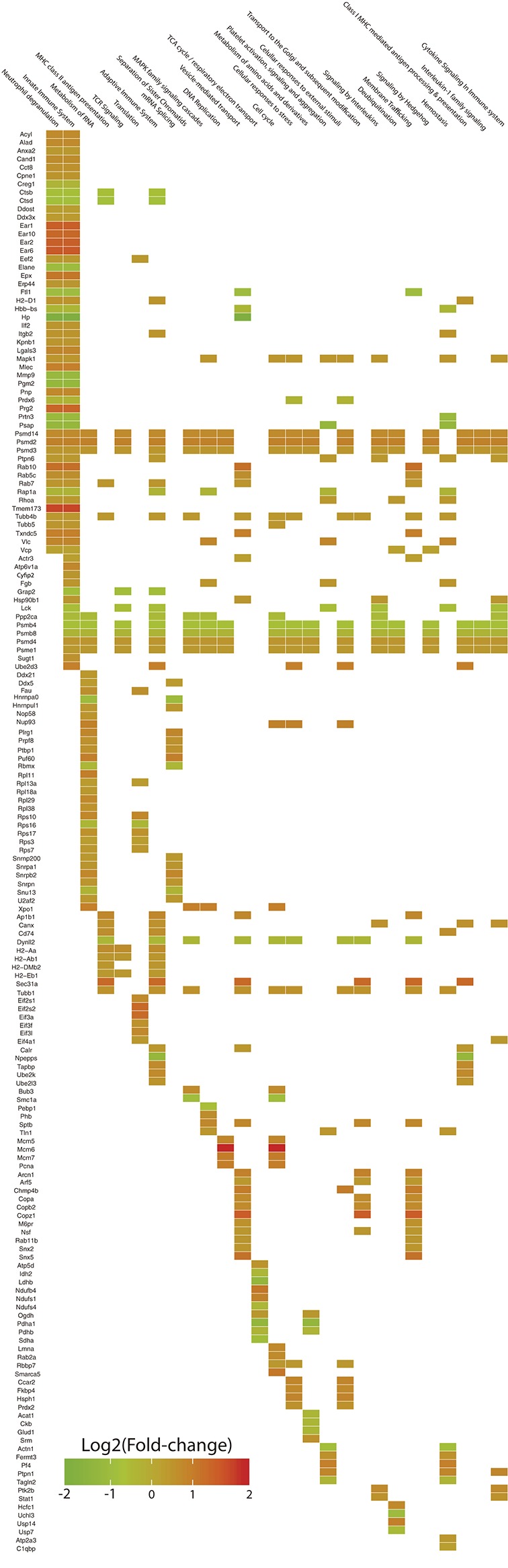
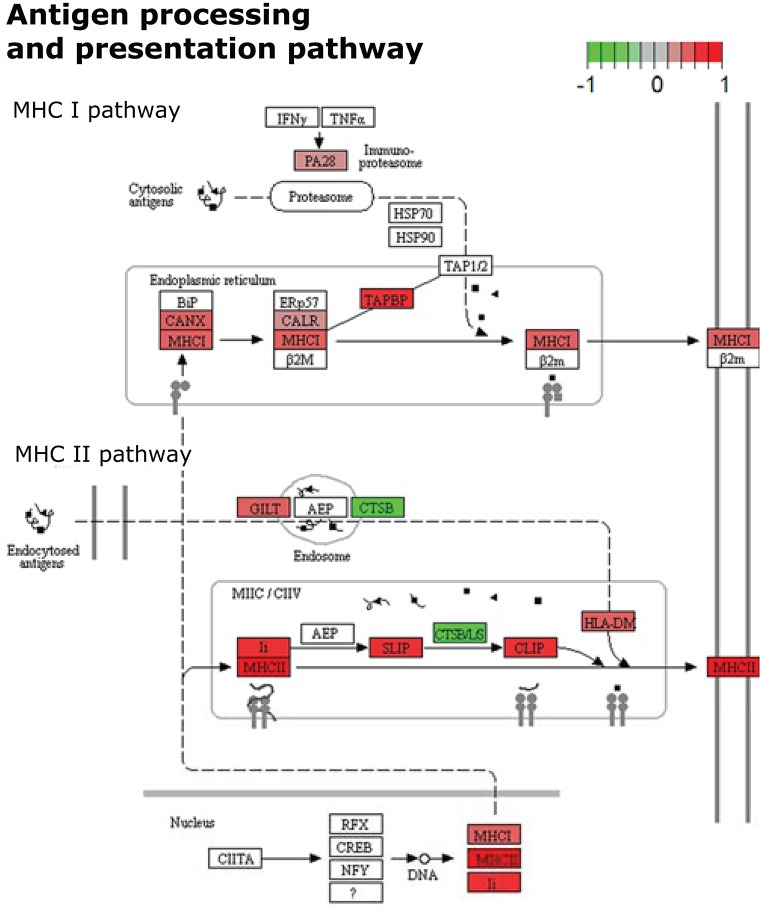
Schistosomiasis is a neglected parasitic disease that affects millions of people worldwide and is caused by helminth parasites from the genus . When caused by , it is associated with the development of a hepatosplenic disease caused by an intense immune response to the important antigenic contribution of adult worms and to the presence of eggs trapped in liver tissue. Although the importance of the spleen for the establishment of immune pathology is widely accepted, it has received little attention in terms of the molecular mechanisms operating in response to the infection. Here, we interrogated the spleen proteome using a label-free shotgun approach for the potential discovery of molecular mechanisms associated to the peak of the acute phase of inflammation and the development of splenomegaly in the murine model. Over fifteen hundred proteins were identified in both infected and control individuals and 325 of those proteins were differentially expressed. Two hundred and forty-two proteins were found upregulated in infected individuals while 83 were downregulated. Functional enrichment analyses for differentially expressed proteins showed that most of them were categorized within pathways of innate and adaptive immunity, DNA replication, vesicle transport and catabolic metabolism. There was an important contribution of granulocyte proteins and antigen processing and presentation pathways were augmented, with the increased expression of MHC class II molecules but the negative regulation of cysteine and serine proteases. Several proteins related to RNA processing were upregulated, including splicing factors. We also found indications of metabolic reprogramming in spleen cells with downregulation of proteins related to mitochondrial metabolism. imunophenotyping of spleen cells allowed us to attribute the higher abundance of MHC II detected by mass spectrometry to increased number of macrophages (F4/80/MHC II cells) in the infected condition. We believe these findings add novel insights for the understanding of the immune mechanisms associated with the establishment of schistosomiasis and the processes of immune modulation implied in the host-parasite interactions.
血吸虫病是一种被忽视的寄生虫病,影响着全球数百万人,由 属的寄生虫引起。当由 引起时,它与由成虫的重要抗原贡献引起的强烈免疫反应以及被困在肝组织中的卵引起的肝脾疾病的发展有关。尽管脾脏在建立免疫病理学中的重要性已被广泛接受,但在对感染作出反应的分子机制方面,它很少受到关注。在这里,我们使用无标记的shotgun 方法研究了脾脏蛋白质组,以潜在地发现与急性炎症高峰期和在小鼠模型中脾肿大发展相关的分子机制。在感染和对照个体中均鉴定出超过一千五百种蛋白质,其中 325 种蛋白质表达差异。在感染个体中发现 242 种蛋白质上调,而 83 种蛋白质下调。差异表达蛋白质的功能富集分析表明,它们中的大多数被归类为先天和适应性免疫、DNA 复制、囊泡运输和分解代谢途径。粒细胞蛋白的贡献很大,抗原加工和呈递途径增强,MHC Ⅱ类分子的表达增加,但半胱氨酸和丝氨酸蛋白酶的负调控。几个与 RNA 处理相关的蛋白质上调,包括剪接因子。我们还发现脾脏细胞中的代谢重编程迹象,与线粒体代谢相关的蛋白质下调。脾脏细胞的免疫表型分析使我们能够将通过质谱检测到的 MHC II 的更高丰度归因于感染条件下巨噬细胞(F4/80/MHC II 细胞)数量的增加。我们认为这些发现为理解与血吸虫病建立相关的免疫机制以及宿主-寄生虫相互作用中涉及的免疫调节过程提供了新的见解。