Department of Plant and Microbial Biology, University of Minnesota, St. Paul, MN, USA.
Cargill Inc., Wayzata, MN, USA.
BMC Genomics. 2019 Feb 7;20(1):120. doi: 10.1186/s12864-018-5399-x.
Genes involved in production of secondary metabolites (SMs) in fungi are exceptionally diverse. Even strains of the same species may exhibit differences in metabolite production, a finding that has important implications for drug discovery. Unlike in other eukaryotes, genes producing SMs are often clustered and co-expressed in fungal genomes, but the genetic mechanisms involved in the creation and maintenance of these secondary metabolite biosynthetic gene clusters (SMBGCs) remains poorly understood.
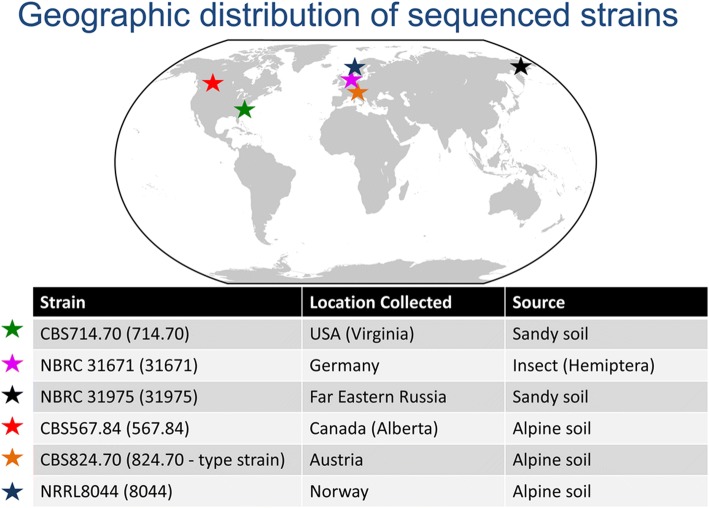
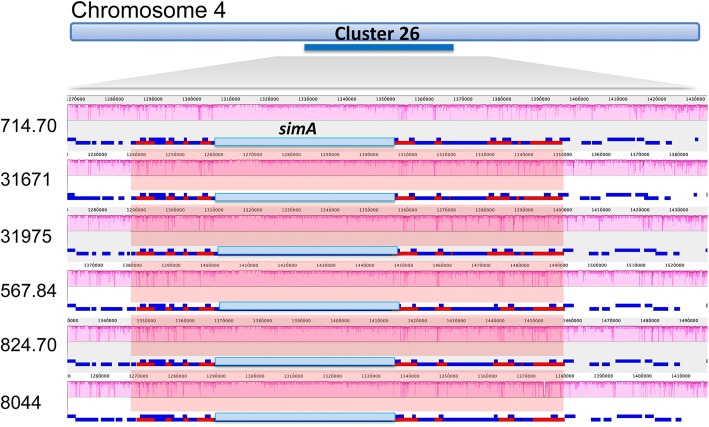
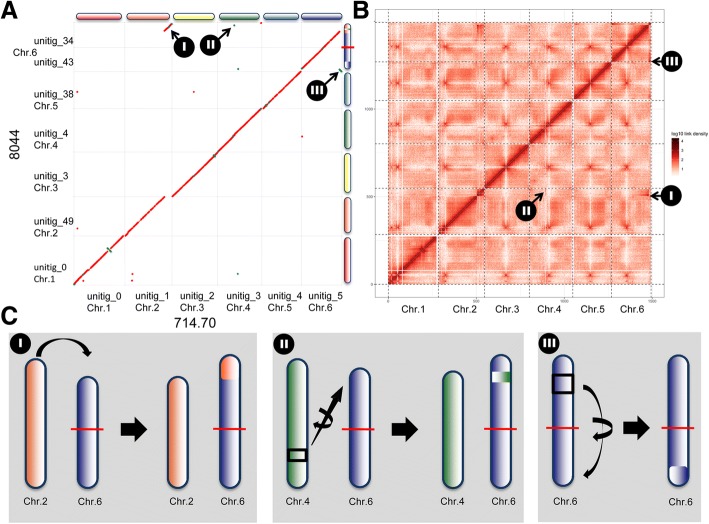
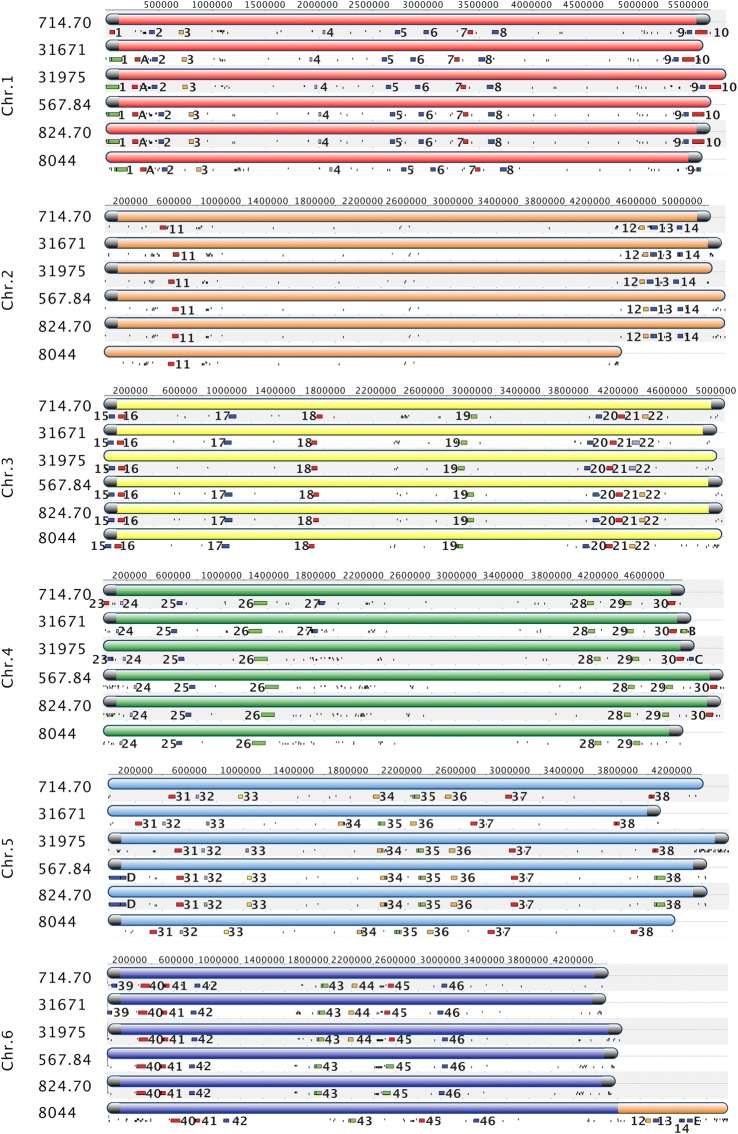
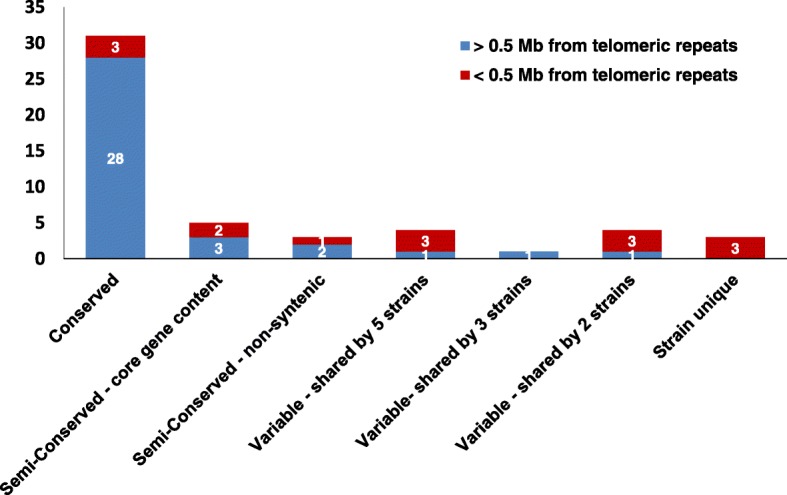
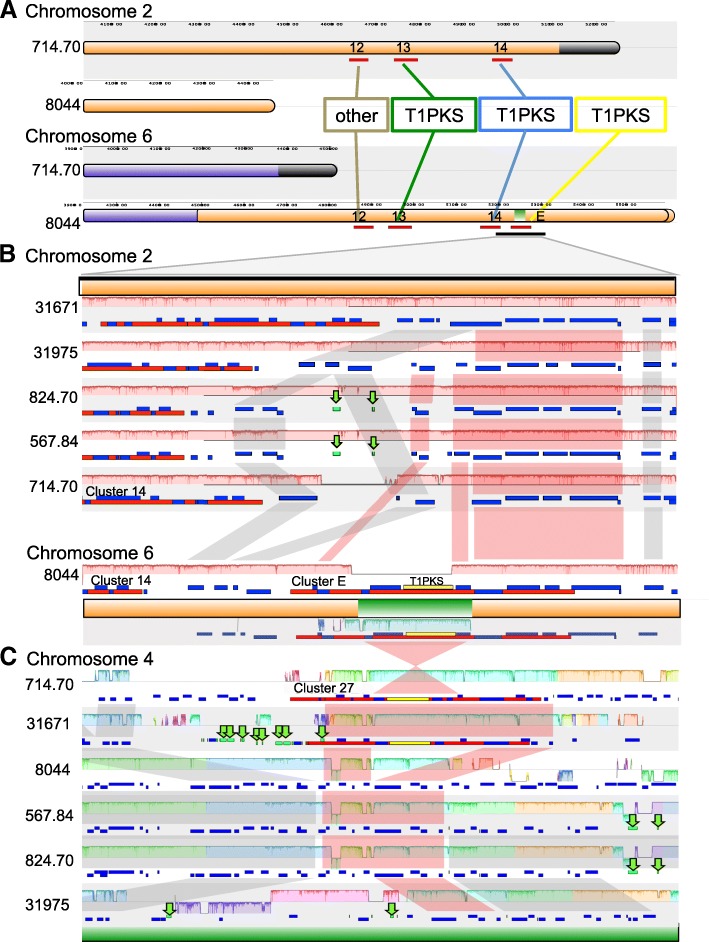
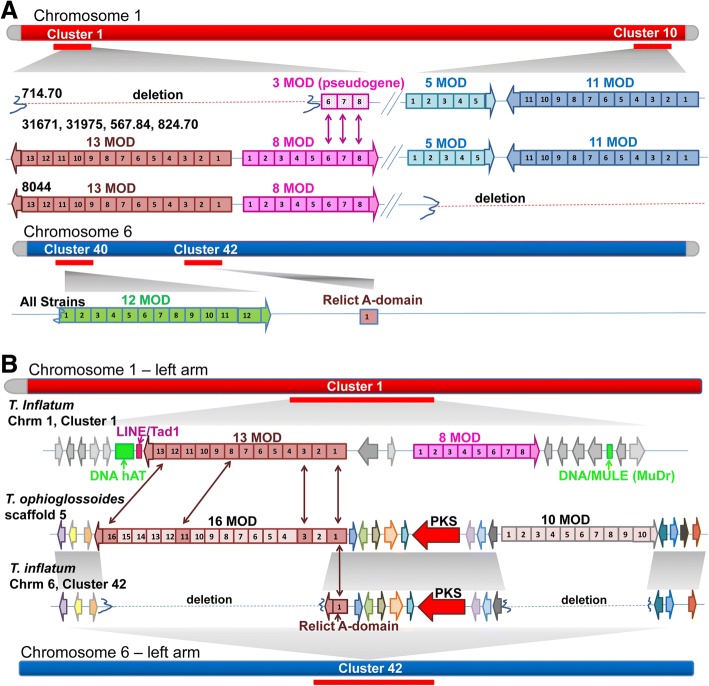
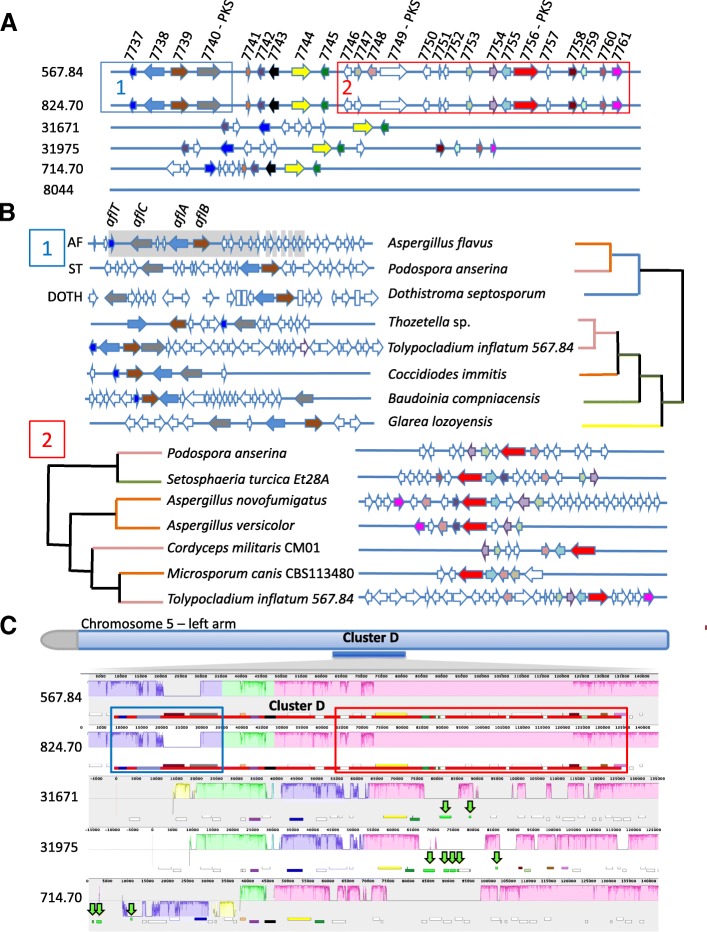
In order to address the role of genome architecture and chromosome scale structural variation in generating diversity of SMBGCs, we generated chromosome scale assemblies of six geographically diverse isolates of the insect pathogenic fungus Tolypocladium inflatum, producer of the multi-billion dollar lifesaving immunosuppressant drug cyclosporin, and utilized a Hi-C chromosome conformation capture approach to address the role of genome architecture and structural variation in generating intraspecific diversity in SMBGCs. Our results demonstrate that the exchange of DNA between heterologous chromosomes plays an important role in generating novelty in SMBGCs in fungi. In particular, we demonstrate movement of a polyketide synthase (PKS) and several adjacent genes by translocation to a new chromosome and genomic context, potentially generating a novel PKS cluster. We also provide evidence for inter-chromosomal recombination between nonribosomal peptide synthetases located within subtelomeres and uncover a polymorphic cluster present in only two strains that is closely related to the cluster responsible for biosynthesis of the mycotoxin aflatoxin (AF), a highly carcinogenic compound that is a major public health concern worldwide. In contrast, the cyclosporin cluster, located internally on chromosomes, was conserved across strains, suggesting selective maintenance of this important virulence factor for infection of insects.
This research places the evolution of SMBGCs within the context of whole genome evolution and suggests a role for recombination between chromosomes in generating novel SMBGCs in the medicinal fungus Tolypocladium inflatum.
真菌中参与次生代谢物(SMs)生产的基因非常多样化。即使是同一物种的菌株,其代谢产物的产生也可能存在差异,这一发现对药物发现具有重要意义。与其他真核生物不同,产生 SMs 的基因通常在真菌基因组中聚集并共表达,但涉及创建和维持这些次生代谢物生物合成基因簇(SMBGCs)的遗传机制仍知之甚少。
为了研究基因组结构和染色体尺度结构变异在产生 SMBGC 多样性中的作用,我们生成了六种地理上不同的昆虫病原真菌 Tolypocladium inflatum 分离株的染色体尺度组装,该真菌是价值数十亿美元的救命免疫抑制剂药物环孢菌素的生产者,并利用 Hi-C 染色体构象捕获方法来解决基因组结构和结构变异在产生 SMBGC 种内多样性中的作用。我们的结果表明,异源染色体之间的 DNA 交换在真菌中 SMBGC 产生新颖性方面起着重要作用。特别是,我们证明了聚酮合酶(PKS)和几个相邻基因通过易位到新染色体和基因组环境中的移动,可能产生新的 PKS 簇。我们还提供了位于端粒之间的非核糖体肽合成酶(NRPS)之间的染色体间重组的证据,并发现了仅存在于两种菌株中的多态性簇,该簇与负责生物合成真菌毒素黄曲霉毒素(AF)的簇密切相关,AF 是一种具有高度致癌性的化合物,是全球主要的公共卫生关注。相比之下,位于染色体内部的环孢菌素簇在菌株间保持保守,这表明这种对昆虫感染的重要毒力因子的选择性维持。
这项研究将 SMBGC 的进化置于整个基因组进化的背景下,并表明染色体间重组在产生药用真菌 Tolypocladium inflatum 中的新型 SMBGC 中的作用。