Division of Endocrinology, Diabetes and Metabolism, Department of Medicine, College of Medicine and Life Sciences, University of Toledo, Toledo, OH, USA.
Center for Diabetes and Endocrine Research (CeDER), Department of Medicine, College of Medicine and Life Sciences, University of Toledo, Toledo, OH, USA.
Sci Rep. 2019 Feb 7;9(1):1533. doi: 10.1038/s41598-018-38341-5.
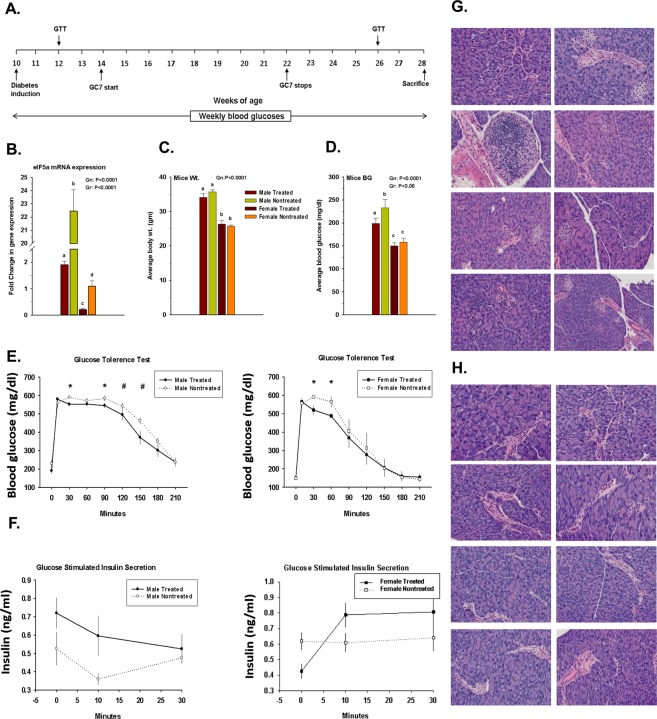
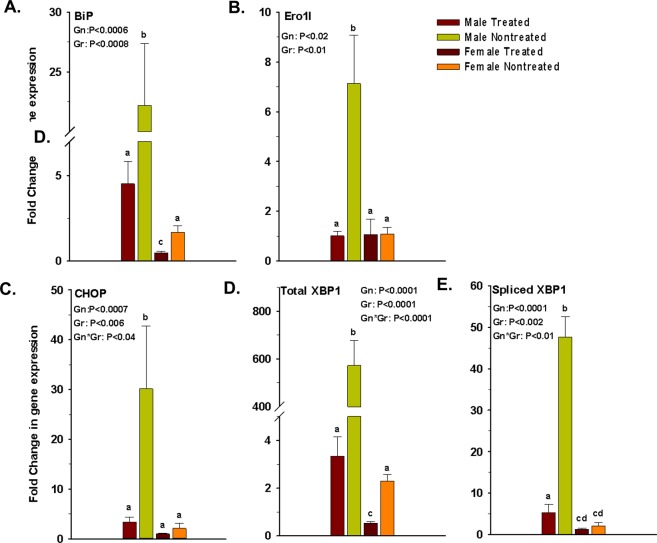
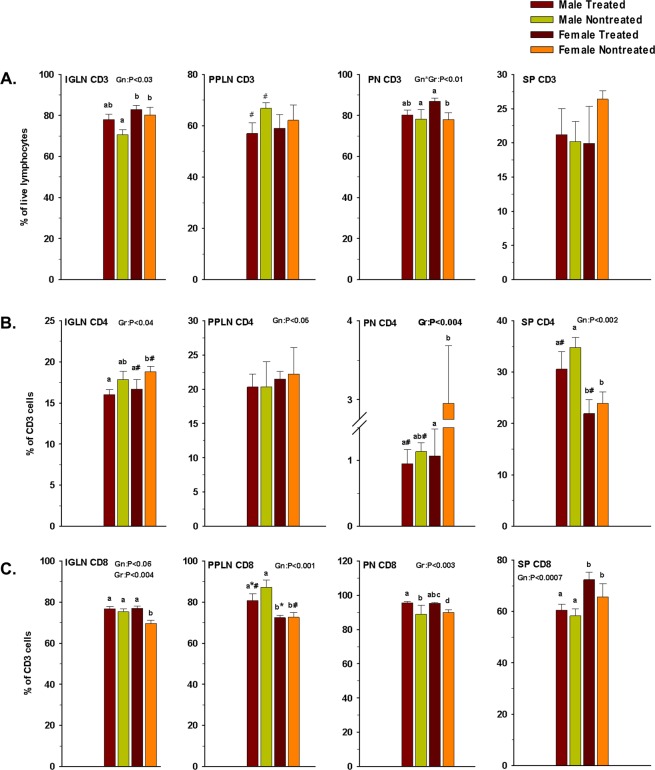
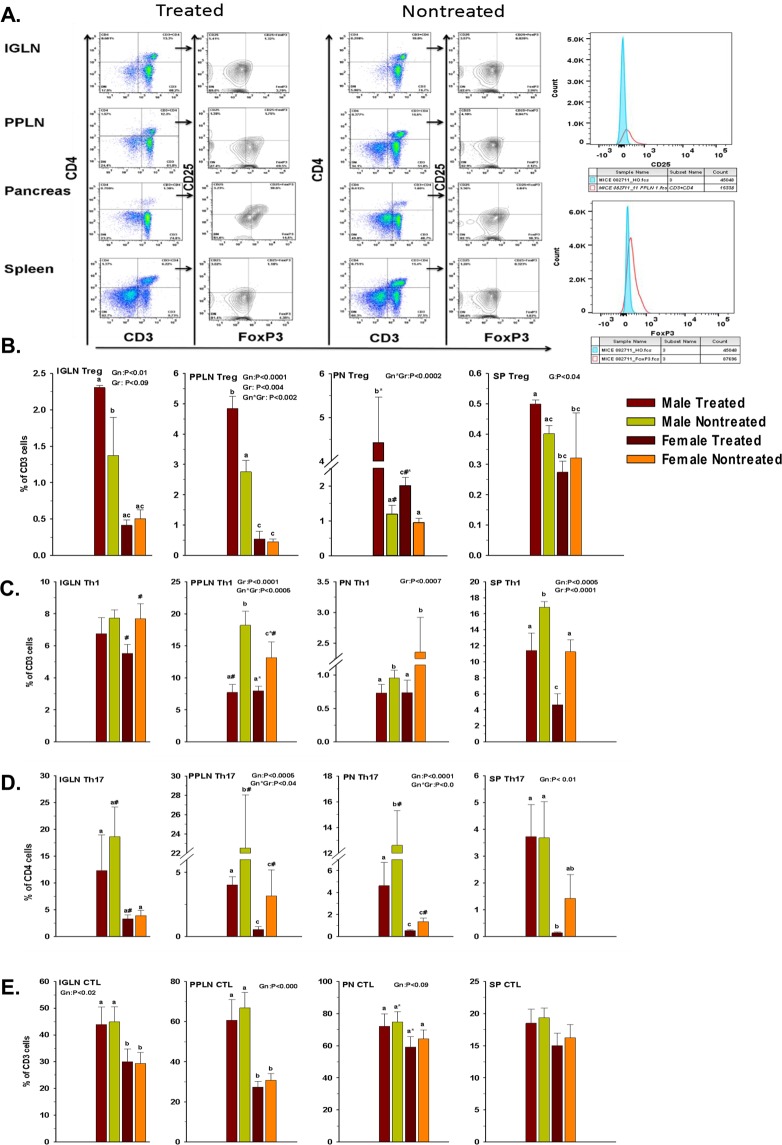
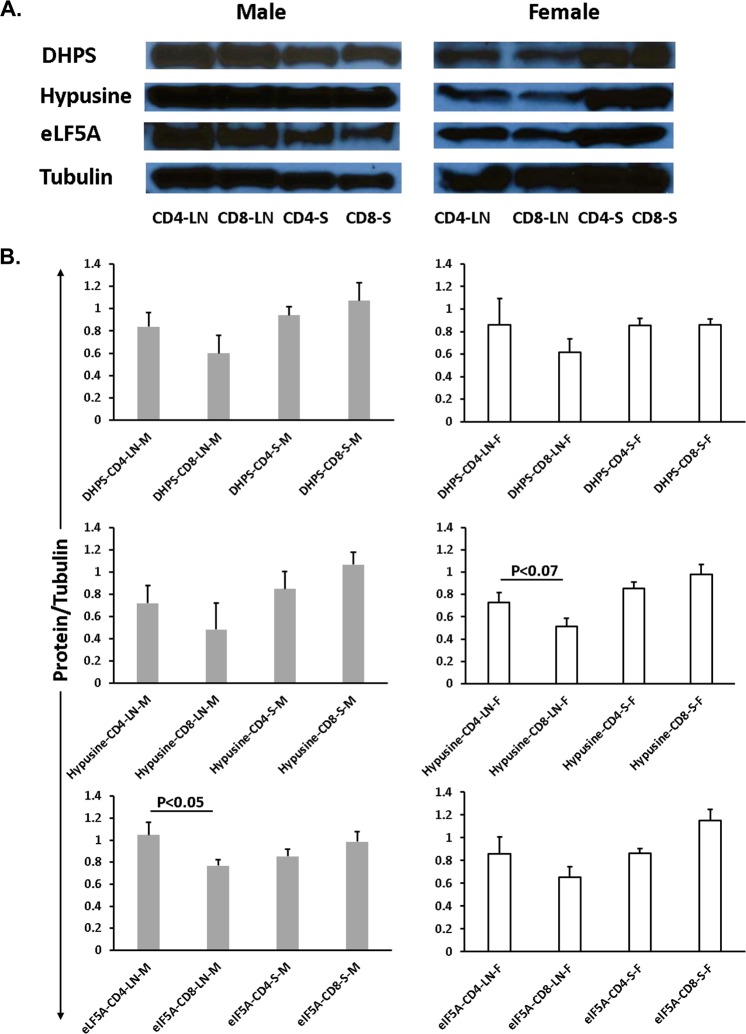
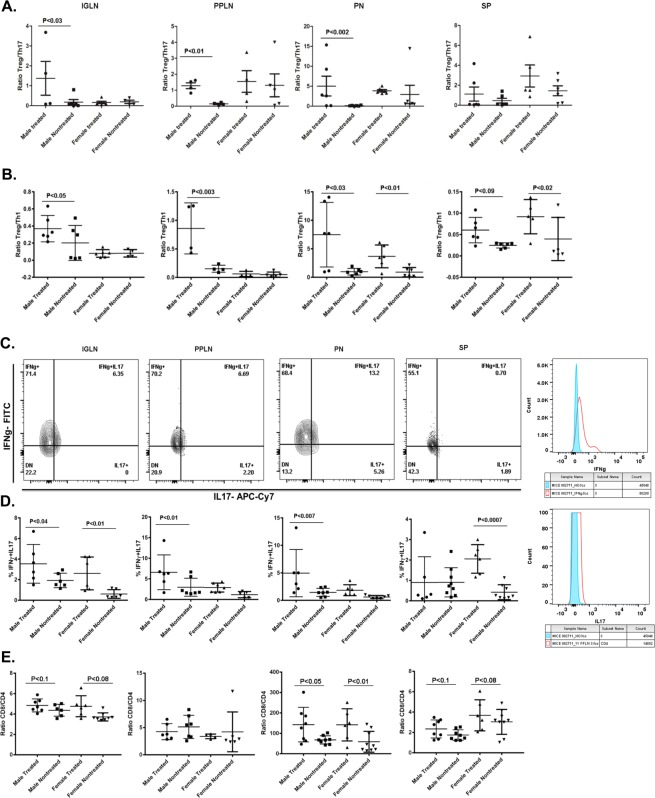
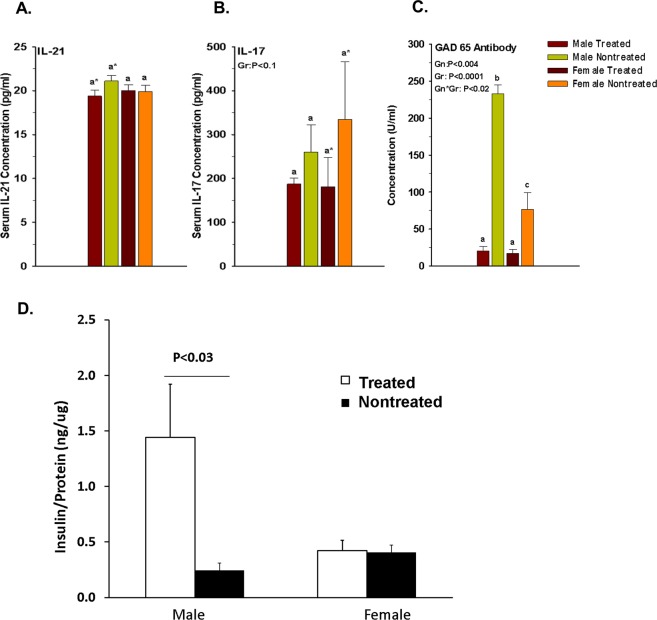
We have developed a transgenic mouse model of Type 1 Diabetes (T1D) in which human GAD65 is expressed in pancreatic β-cells, and human MHC-II is expressed on antigen presenting cells. Induced GAD65 antigen presentation activates T-cells, which initiates the downstream events leading to diabetes. In our humanized mice, we have shown downregulation of eukaryotic translation initiation factor 5 A (elF5A), expressed only in actively dividing mammalian cells. In-vivo inhibition of elF5A hypusination by deoxyhypusine synthase (DHS) inhibitor "GC7" was studied; DHS inhibitor alters the pathophysiology in our mouse model by catalyzing the crucial hypusination and the rate-limiting step of elF5A activation. In our mouse model, we have shown that inhibition of eIF5A resets the pro-inflammatory bias in the pancreatic microenvironment. There was: (a) reduction of Th1/Th17 response, (b) an increase in Treg numbers, (c) debase in IL17 and IL21 cytokines levels in serum, (d) lowering of anti-GAD65 antibodies, and (e) ablation of the ER stress that improved functionality of the β-cells, but minimal effect on the cytotoxic CD8 T-cell (CTL) mediated response. Conclusively, immune modulation, in the case of T1D, may help to manipulate inflammatory responses, decreasing disease severity, and may help manage T1D in early stages of disease. Our study also demonstrates that without manipulating the CTLs mediated response extensively, it is difficult to treat T1D.
我们开发了一种 1 型糖尿病(T1D)的转基因小鼠模型,其中人 GAD65 在胰岛β细胞中表达,人 MHC-II 在抗原呈递细胞上表达。诱导的 GAD65 抗原呈递激活 T 细胞,从而引发导致糖尿病的下游事件。在我们的人源化小鼠中,我们已经证明了真核翻译起始因子 5A(elF5A)的下调,该因子仅在活跃分裂的哺乳动物细胞中表达。研究了脱氧hypusine 合酶(DHS)抑制剂“GC7”对 elF5A hypusination 的体内抑制作用;DHS 抑制剂通过催化关键的 hypusination 和 elF5A 激活的限速步骤来改变我们的小鼠模型的病理生理学。在我们的小鼠模型中,我们已经表明,抑制 eIF5A 可以重置胰腺微环境中的促炎偏向。有:(a)减少 Th1/Th17 反应,(b)增加 Treg 数量,(c)降低血清中 IL17 和 IL21 细胞因子水平,(d)降低抗 GAD65 抗体水平,以及(e)减少内质网应激,从而改善β细胞的功能,但对细胞毒性 CD8 T 细胞(CTL)介导的反应影响很小。总之,在 1 型糖尿病的情况下,免疫调节可能有助于操纵炎症反应,降低疾病严重程度,并可能有助于在疾病早期管理 1 型糖尿病。我们的研究还表明,不广泛地操纵 CTL 介导的反应,很难治疗 1 型糖尿病。